Cotonou hosts landmark education reform summit to reshape learning nationwide
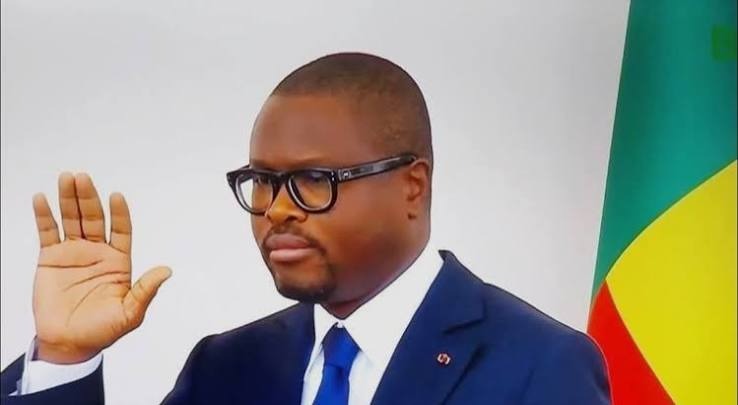
Cotonou is this week taking center stage in Benin’s most ambitious educational transformation yet. From June 22–26, 2026, the Azalaï Hotel is hosting a high-level workshop to design the country’s first-ever National Curriculum Framework. Spearheaded by Education Minister Armand Kuyema Natta, this initiative aims to create a unified, modern learning system that aligns perfectly with Benin’s social and economic realities—preparing tomorrow’s citizens for success.
A historic convergence of leaders for education
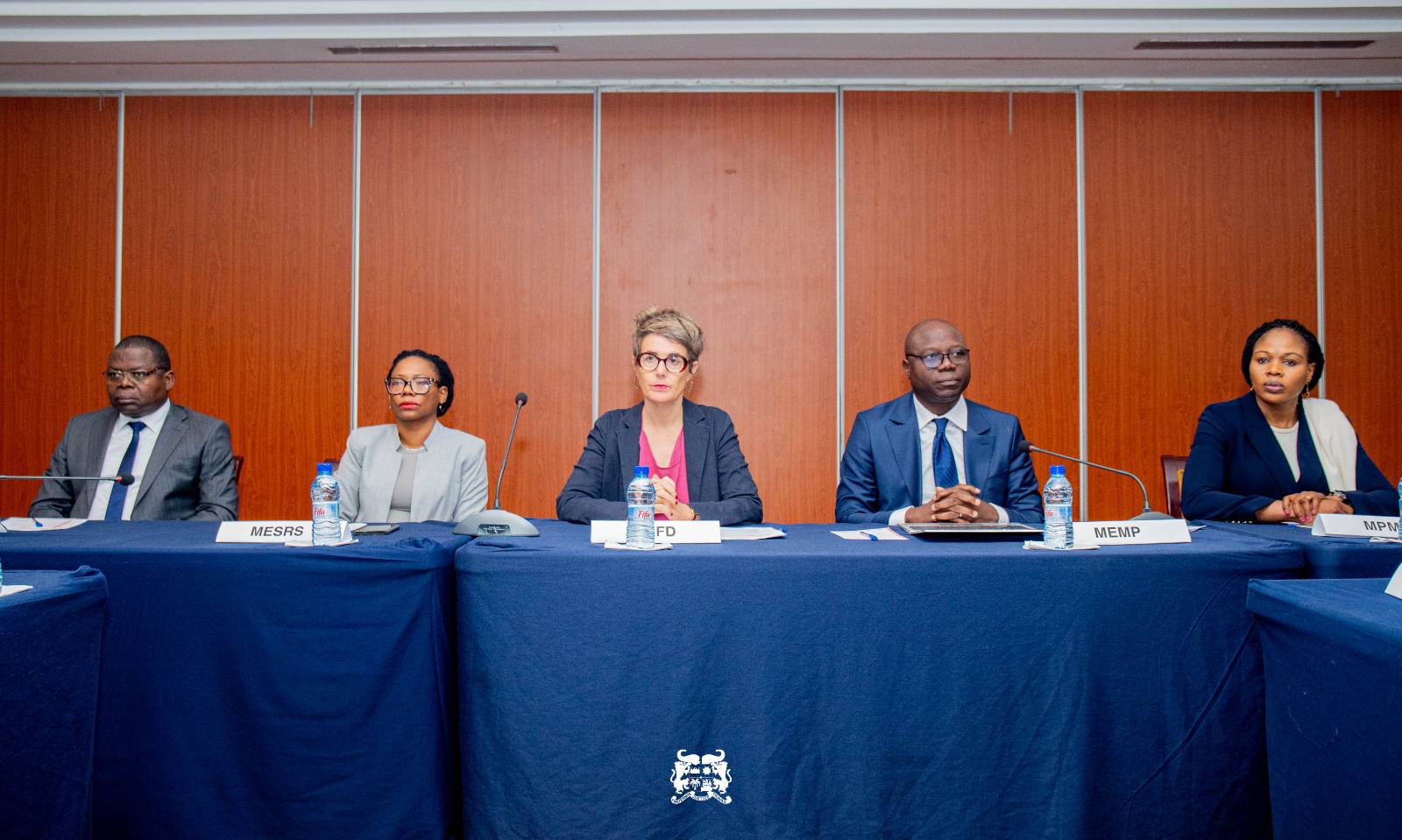
The workshop’s official launch on June 22 drew an unprecedented gathering of decision-makers. Nearly all Benin’s education ministers—from preschool to university levels—joined forces to demonstrate the reform’s cross-cutting importance. Representatives from the National Education Council were also present, alongside Laure Weisgerber, Director of the French Development Agency (AFD), leading the technical and financial partners.
This unprecedented collaboration signals Benin’s commitment to breaking down bureaucratic silos. The goal isn’t piecemeal updates but a cohesive, nationwide dialogue to build a unified education vision.
The curriculum as a blueprint for society
Wilfried Guezodjè, Permanent Technical Secretary of the Sectoral Education Plan, emphasized that curriculum reform goes far beyond administrative tasks. It reflects the very identity of Beninese society and the values we instill in our children.
« The curriculum is the foundation of the citizens we raise. It determines not just what children learn, but the kind of adults they become—equipped for life and work in a changing world. »
Guezodjè described the process as challenging yet hopeful, with the shared ambition of equipping every Beninese student with the skills needed for personal growth and future employability. The challenge lies in balancing global standards with locally relevant learning.
From fragmented reforms to a unified vision
Minister Kuyema Natta delivered a keynote address outlining past reforms while underscoring the need for a cohesive approach. While Benin has reopened and updated programs in primary and secondary schools, these efforts lacked continuity.
« Isolated reforms, no matter how thorough, cannot stand alone, » the minister stressed. « A student leaving primary school must enter secondary without gaps, and a high school graduate must enter university ready for their chosen field. That continuity is what this National Curriculum Framework will provide—a guiding compass from preschool to higher education. »
International partners reaffirm long-term support
Such a transformative project requires strong, lasting partnerships. Laure Weisgerber of the AFD reaffirmed her institution’s unwavering commitment to Benin’s education reform. International partners see this framework as a game-changer—one that will maximize the impact of investments by aligning education with real labor market needs, especially in technical and vocational training.
By doing so, Benin is positioning itself to reduce youth unemployment and drive sustainable economic growth.
A new social contract for Benin’s future
As the Cotonou workshop concludes on June 26, it marks a turning point in Benin’s educational journey. The National Curriculum Framework represents a major milestone in building a more coherent, inclusive school system—one that prepares students not just for exams, but for life.
While implementation remains a challenge, the political will displayed this week, backed by international partners, offers a promising vision for the future of Beninese education—a future where schools are unified, inclusive, and forward-looking.