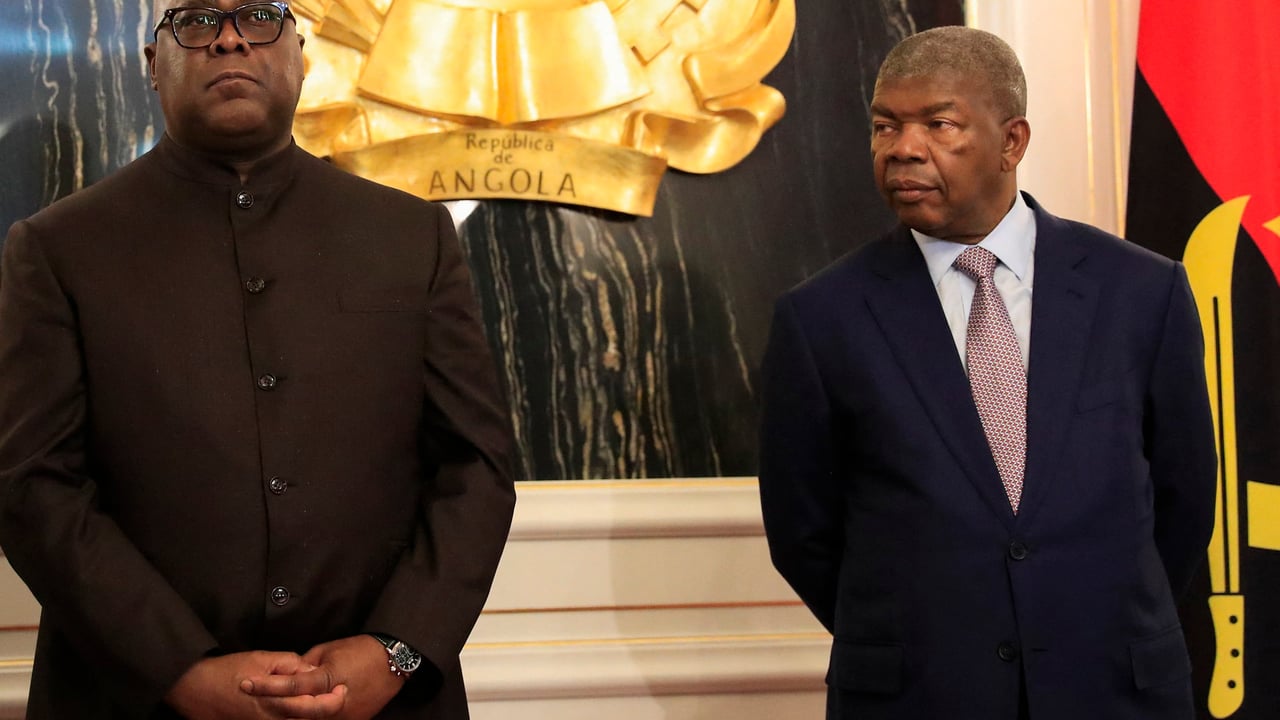
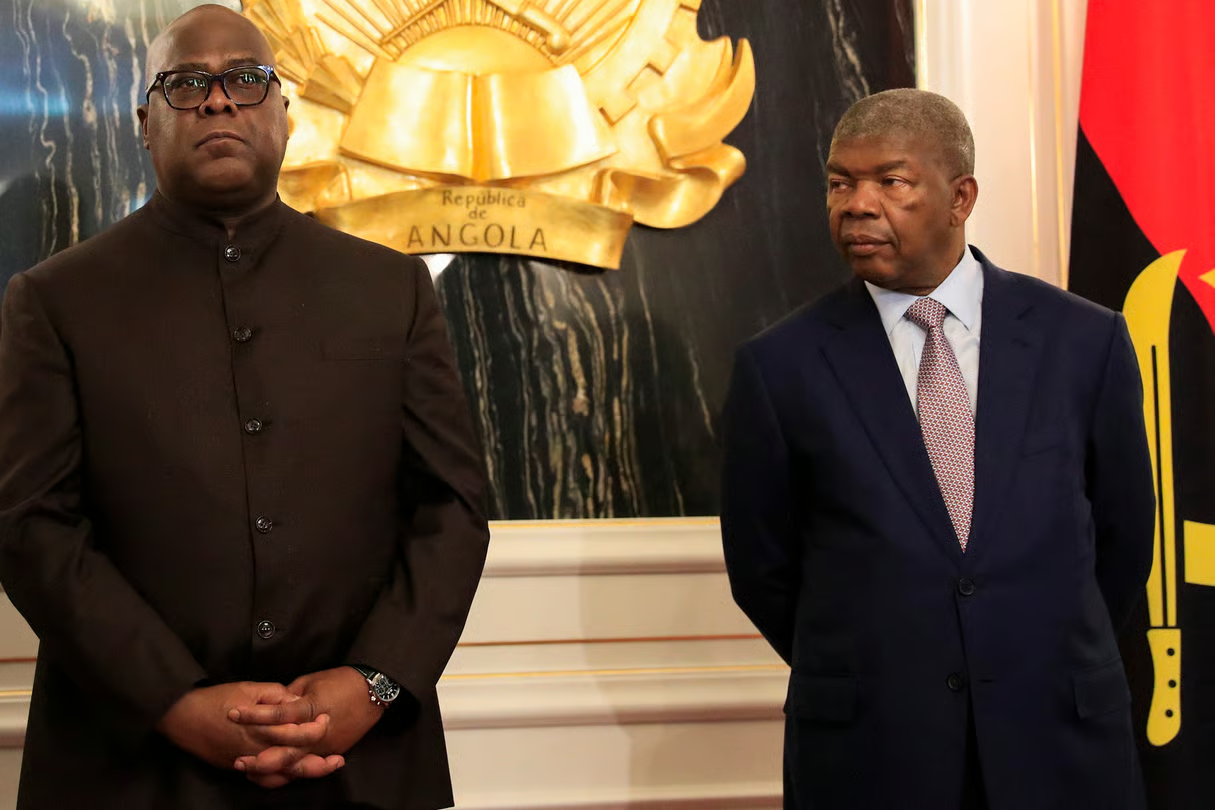
The diplomatic corridors of Luanda buzzed with tension on January 8, 2026, as leaders from the Democratic Republic of Congo (DRC) and Angola engaged in high-stakes negotiations. Behind the closed doors of the presidential palace, President Félix Tshisekedi and his Angolan counterpart, João Lourenço, faced a pivotal moment in their nations’ relationship, driven by clashing agendas.
what’s driving the rift between Kinshasa and luanda?
The friction stems from a combination of regional security concerns and economic ambitions. Angola, eager to secure its borders and counter insurgent threats, has pushed for stronger military cooperation with the DRC. Meanwhile, Kinshasa is navigating internal pressures, including the resurgence of rebel factions in the east and the challenge of maintaining stability ahead of upcoming elections.
At the heart of the dispute is the M23 rebel movement, a persistent thorn in both nations’ sides. While Angola advocates for a negotiated settlement, the DRC insists on decisive action to dismantle the group. These opposing strategies have widened the divide between the two presidents, each championing a vision that aligns with their domestic priorities.
The meeting in Luanda was not merely symbolic—it was a test of resolve. Both leaders arrived with clear mandates but left without a definitive agreement, signaling deeper underlying disagreements that could shape the future of Central African diplomacy.
the role of Angola’s mediation in regional stability
Angola’s President Lourenço has positioned himself as a key mediator in the region, leveraging his influence to broker peace deals and foster economic ties. However, his efforts are increasingly overshadowed by the growing influence of former Congolese President Joseph Kabila, who remains a pivotal figure in the DRC’s political landscape.
Kabila’s shadow looms large over the current administration, particularly as he maintains close ties with regional stakeholders. His presence adds a layer of complexity to the negotiations, as his allies push for policies that contrast sharply with Tshisekedi’s agenda. This dynamic has created an environment where trust is fragile, and every concession is scrutinized.
The Luanda talks underscored Angola’s ambition to lead in regional security, but the DRC’s reluctance to fully align with its neighbor’s proposals highlights the challenges of multilateral diplomacy in a fractured political climate.
key takeaways from the luanda meeting
- security priorities diverge: Angola prioritizes border security and regional stability, while the DRC focuses on internal threats like the M23 rebellion.
- economic ambitions clash: Angola seeks to strengthen trade and infrastructure links, but the DRC remains cautious about over-reliance on external partners.
- political legacy weighs heavily: The influence of Joseph Kabila complicates Tshisekedi’s room for maneuver, as the former leader’s allies push for alternative agendas.
- diplomatic deadlock looms: Without a breakthrough, the stalemate risks exacerbating tensions and undermining regional cooperation.
As the two presidents return to their capitals, the question remains: can they bridge their differences, or will the rift deepen, leaving the region more vulnerable to instability?