Rwandan refugees in DRC: 8 394 repatriated, 10 000 targeted by 2026
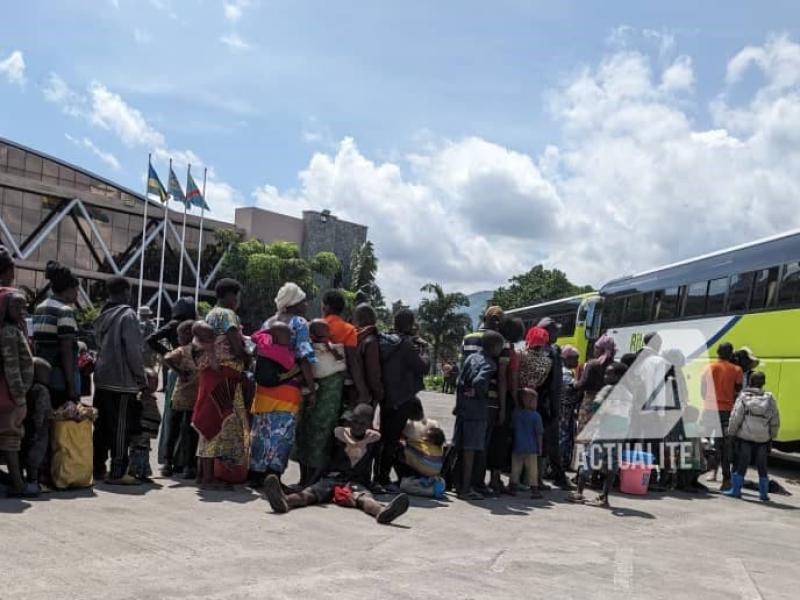
A historic milestone has been reached in the voluntary repatriation of Rwandan refugees living in the Democratic Republic of Congo (DRC). As of June 2026, 8 394 individuals have already returned to Rwanda since the beginning of the initiative in January 2025. Among them, 2 347 made the journey in 2026 alone, marking a significant acceleration in the process.
The tripartite cooperation between the DRC, Rwanda, and the United Nations High Commissioner for Refugees (UNHCR) has yielded tangible results, prompting the three parties to set an even more ambitious target: 10 000 voluntary repatriations by the end of 2026.
Strategic measures to accelerate the process
During a high-level ministerial meeting held in Addis Ababa, Ethiopia, in June 2026, the DRC, Rwanda, and the UNHCR adopted a new roadmap to streamline the repatriation process. Key decisions include:
- Designation of priority return zones: Starting October 2026, the DRC will identify areas where Rwandan refugees express their intention to return, based on data provided by Rwanda.
- Institutionalized coordination: Quarterly cross-border meetings—both in-person and virtual—will be held to monitor progress. The first meeting is scheduled for September 2026.
- Facilitation of transit routes: The DRC will develop transit pathways to connect remote refugee-hosting areas in South Kivu to the Kamanyola border crossing point, which will serve as the primary entry point for returnees.
- Health considerations: Rwanda will adapt its repatriation protocols to align with regional health guidelines, particularly concerning Ebola virus disease prevention.
A commitment to sustainable solutions
The three parties reaffirmed their trust in the UNHCR’s role as a neutral and impartial actor in resolving forced displacement crises. They also agreed to continue this framework of cooperation with a new tripartite ministerial meeting planned for June 2027.
The progress achieved reflects the successful implementation of the Tripartite Agreement on Voluntary Repatriation, signed in February 2010, which aligns with the principles of the 1951 Refugee Convention, its 1967 Protocol, and the 1969 OAU Convention governing refugee issues in Africa.
Challenges and regional implications
The refugee issue has long been a contentious topic between Kinshasa and Kigali, particularly in the context of the AFC/M23 rebellion, which is widely reported to receive support from Rwanda. This topic has been integrated into the Washington Peace Agreement and the Doha Process, both aiming to address the crisis in eastern DRC. However, concrete progress has been slow to materialize on the ground.
“While these diplomatic initiatives have generated hope, their implementation has yet to reflect the urgency and scale required to address the humanitarian crisis in eastern DRC.”
The tripartite framework involving the DRC, Rwanda, and the UNHCR represents a critical step toward resolving one of the region’s most pressing challenges—voluntary, dignified, and safe return of refugees.