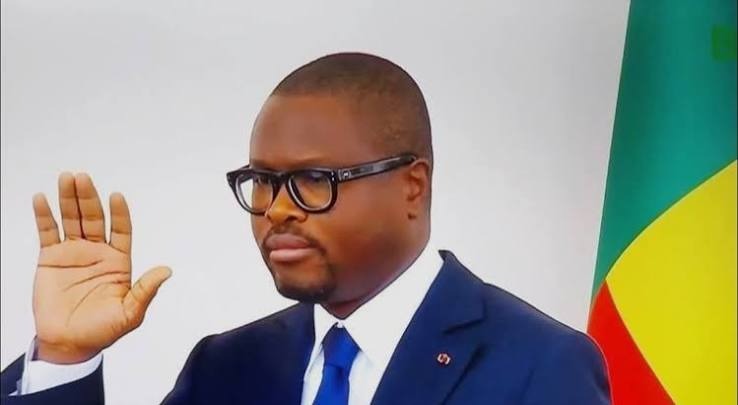
In a whirlwind day packed with high-stakes meetings, Bénin’s President Romuald Wadagni embarked on a landmark working visit to Addis-Abeba, capital of Africa’s diplomatic hub. The agenda was clear: reinforce economic ties, spotlight Bénin’s industrial achievements, and position Cotonou as a trailblazer in continental governance. From bilateral talks at the historic Menelik Palace to strategic exchanges with Afreximbank’s leadership, this visit reinforced Bénin’s reputation as a bold reformer and a visionary partner on the African stage.
A grand welcome and a packed agenda
Touching down at Addis-Abeba’s Bole International Airport, President Wadagni was greeted with full military honors at the presidential pavilion by Ethiopia’s Vice-Premier Minister, Tiruneh Temesgen. The warm reception underscored the strength of relations between Bénin and Ethiopia—two nations united by shared ambition for Africa’s rise. Without delay, the Béninois leader dove straight into a marathon of meetings, beginning with a pivotal discussion with Dr. George Elombi, Afreximbank’s President and CEO. This early exchange set the stage for deeper financial and industrial talks, highlighting the deep collaboration between the bank and Bénin, a country lauded for its fiscal discipline and bold structural reforms.
Afreximbank retreat: sharing the Bénin playbook on industrialization
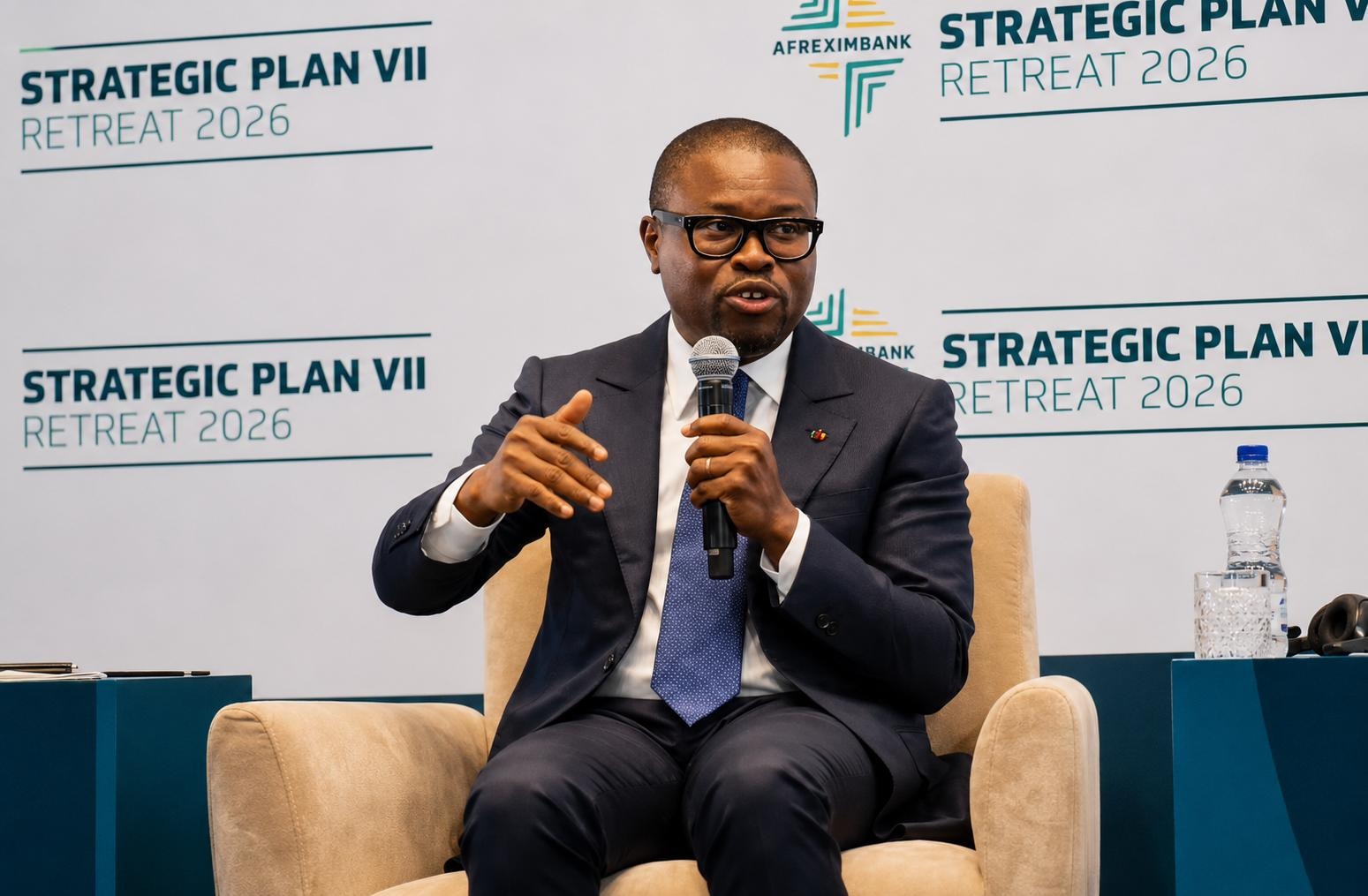
The economic highlight of the visit came during Afreximbank’s high-level retreat, where President Wadagni took center stage as guest of honor. Addressing a room of Africa’s top bankers, economists, and policymakers, the Béninois leader launched the keynote panel with unfiltered candor: “Why governments keep failing at industrialization.” Eschewing diplomatic niceties, he laid bare Bénin’s journey to industrial success, spotlighting the Glo-Djigbé Industrial Zone (GDIZ) as a continental benchmark for local value addition in cotton, cashew nuts, and soybeans.
“Industrialization is not a slogan—it’s iron discipline, consistent reform, and a business environment built on predictability,” declared the President, who also warned against common pitfalls: inconsistent public policies, mismatched vocational training, and over-reliance on imported inputs. His pragmatic insights were met with enthusiastic applause, cementing the Bénin model as a roadmap for other African nations.
Strengthening the Cotonou-Addis-Abeba axis
After the Afreximbank discussions, the visit shifted to the grand halls of the Menelik Palace, where President Wadagni met with Ethiopia’s Prime Minister, Abiy Ahmed. The cordial one-on-one meeting was followed by a joint session with delegations, exploring new avenues for cooperation. Key priorities included expanding air connectivity through Ethiopian Airlines’ hub and modernizing Bénin’s infrastructure to boost trade flows. The leaders also discussed agricultural expertise sharing to develop high-value supply chains and strategic coordination in global forums to advocate for reforms in the international financial architecture. This intensive working session reflected Cotonou’s strategy to diversify its strategic partnerships, anchoring its presence in East Africa through Ethiopia.
Africa’s economic stage recognizes Bénin’s growing influence
By evening, President Wadagni was back in Cotonou, having completed a lightning-fast yet highly productive visit. In just a few hours, he had transformed Bénin from an observer of Africa’s financial dynamics into a respected voice shaping the continent’s economic future. His leadership at the Afreximbank retreat demonstrated that Bénin’s perspective is both heard and valued among Africa’s financial titans and East African policymakers. In Addis-Abeba, the Béninois President proved that Cotonou has earned its place at the table of Africa’s financial heavyweights—where bold ideas and decisive action set the tone for tomorrow’s economy.