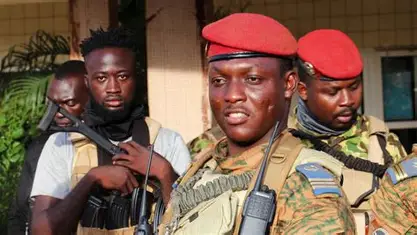
The military-led administration in Burkina Faso, which assumed power following the September 2022 coup, has opted to respond to a recent European Parliament resolution criticizing the nation’s human rights and public freedoms situation with diplomatic confrontation rather than transparency.
Observers argue that a more constructive approach would involve tangible engagement. If officials in Ouagadougou genuinely believe their policies have led to significant territorial pacification and development under Captain Ibrahim Traoré’s leadership, inviting a delegation of European lawmakers for an on-site assessment could provide undeniable evidence of progress. Such a move would not only ground the debate in verifiable facts but also counter criticisms with concrete demonstrations rather than diplomatic rebuttals.
Despite official claims of restored sovereignty, economic advancement, and territorial recovery, international organizations continue to highlight persistent security challenges in certain regions, along with ongoing concerns about fundamental freedoms and humanitarian conditions. The European Parliament’s concerns are rooted in assessments from the United Nations, human rights organizations, and independent sources, underscoring the need for credible verification of claimed achievements.
For Burkina Faso to substantiate its assertions, transparency and cooperation with international observation missions remain indispensable. By facilitating access for independent evaluators, the government could substantiate its narrative with firsthand evidence, thereby reinforcing its credibility on the global stage. Ultimately, the critical question remains whether the security and economic strides touted by the regime can withstand scrutiny from neutral observers, and an official visit by European representatives could offer clarity on this matter.