Despite Captain Ibrahim Traoré’s bold declarations about achieving food self-sufficiency, Burkina Faso remains heavily reliant on humanitarian aid to feed its population. Recent shipments of rice from Pakistan, China, and Canada highlight the stark gap between political promises and ground reality, as the military-led government fails to address a worsening food crisis.
Humanitarian aid exposes military governance failures
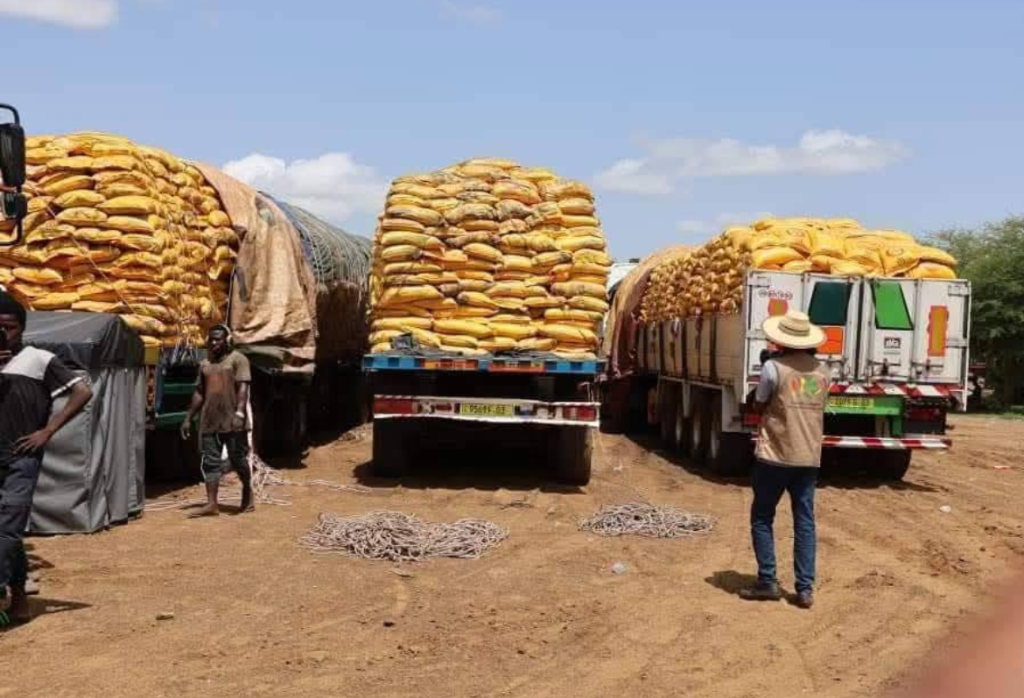
The arrival of 2,422 tons of Pakistani rice—celebrated in a public ceremony—underscores the Burkina Faso food crisis and the transitional authorities’ inability to stabilize the nation’s food supply over three years after the MPSR seized power. While Traoré’s government touts “reclaimed sovereignty,” over 3.5 million Burkinabè now depend on international aid just to survive.
The latest donation from Islamabad joins a growing list of foreign assistance, including shipments from China and Canada. Though officials celebrate these gestures as diplomatic victories, each shipment serves as a silent admission of policy failure—especially since the junta had pledged to make local agriculture the backbone of its governance.
Empty fields and broken promises
The grim truth behind the aid shipments reveals a nation trapped in dependency:
- The country no longer produces enough food to sustain its people, forcing it to rely on handouts from Asia and the West.
- The Pakistani rice is earmarked for northern and eastern regions, which remain under insurgent control and cut off from normal trade routes.
- Climate shocks are only part of the problem—structural mismanagement by the junta has crippled agricultural revival efforts.
The human cost of insecurity and militarization
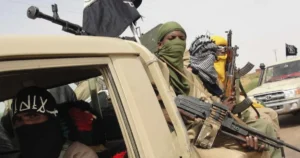
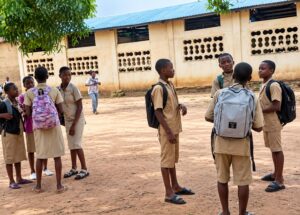
Years of heavy-handed military strategies and blockades by armed groups have devastated Burkina Faso’s farmlands. Over 2 million people have been displaced, turning once-fertile regions into abandoned wastelands. The Integrated Food Security Phase Classification (IPC) warns that parts of the country are on the brink of humanitarian emergency, with more than 600,000 children at risk of acute malnutrition by year’s end.
Disturbingly, the junta’s approach to crisis management raises red flags. The Pakistani rice, managed by the Ministry of Humanitarian Action, has faced scrutiny over transparency in distribution. Military-led governance and strained relations with aid agencies have further eroded trust, leaving the 2026 Humanitarian Response Plan only 18% funded—a clear sign that donors are losing confidence in Ouagadougou’s leadership.
Short-term relief, long-term despair
As the rainy season approaches, the Pakistani rice offers only temporary relief to a exhausted population. For Ibrahim Traoré, the reckoning draws near: sovereignty cannot be declared on national television—it must be built through secure farmlands and functional rural economies. Without a shift from wartime rhetoric to genuine agricultural revival, a lasting solution remains out of reach.