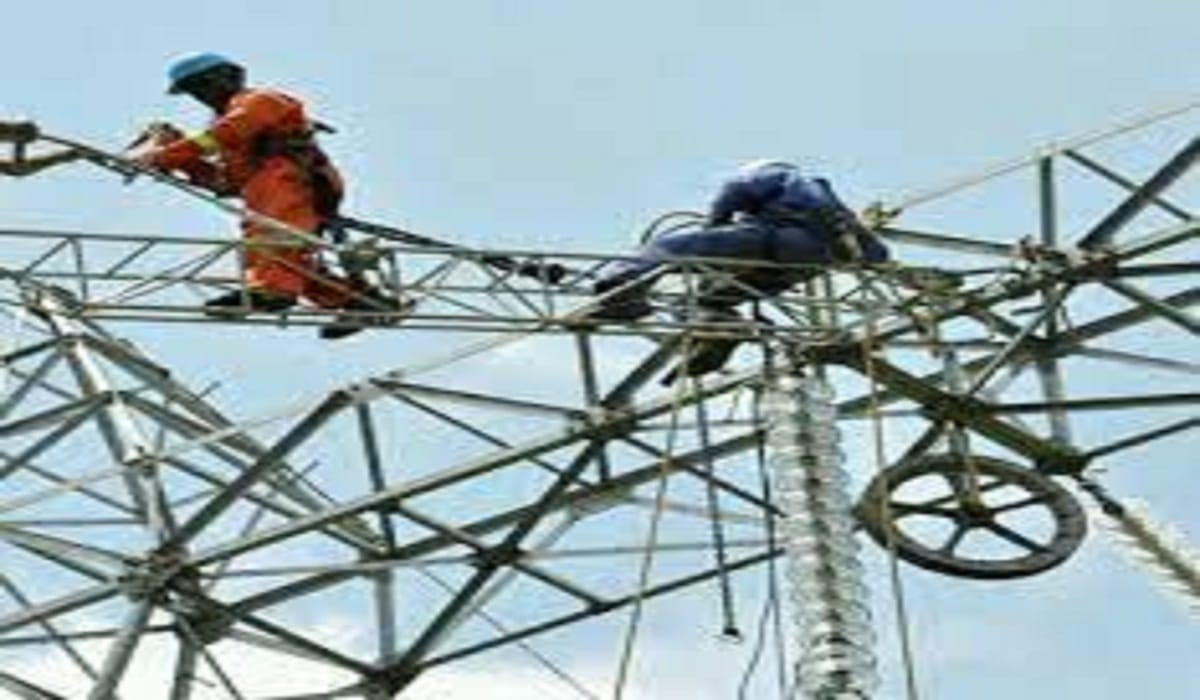
Cameroon’s energy sector embraces public-private partnerships for power transport
Cameroon’s Minister of Water and Energy recently announced the government’s intention to implement a public-private partnership model for energy transport, a move revealed during a meeting with Italian dignitaries.
Facing significant financial pressures, Cameroon’s Minister of Water and Energy is now turning to the public-private partnership (PPP) model, a strategy long advocated by economists like the late Christian Penda Ekoka for heavy investment sectors. The Cameroonian state is grappling with a severe treasury deficit, which has considerably hampered essential investments. Furthermore, the Ministry of Finance is burdened by the repayment of unproductive debts, hindering its ability to settle dues with KPDC and consequently depriving the nation of 300 MW of crucial electricity.
Cameroon experiences a daily loss of 30 MW of electrical energy, which dissipates through its aging and inefficient transport network. This daily power loss is equivalent to the entire current output of the Lagdo dam. The adoption of public-private partnerships aims to attract vital capital from investors to fund these critical infrastructure projects. This significant development was disclosed during an audience with Filippo Scammacca del Murgo, Italy’s Ambassador to Cameroon, who was accompanied by Riccardo Rossi Van Lamsweerde, the regional head of Cassa Depositi e Prestiti, a prominent Italian public financial institution.
“It remains to be seen why the Ministry of Transport continues to burden citizens with debt for road projects frequently awarded to incompetent contractors, when a public-private partnership could resolve the situation,” observes an economic analyst. “Notably, this 30 MW production loss has been a known issue for several years, first identified in 2014. Yet, in its strategic planning, the government chose to invest over 100 billion FCFA into the Mekin dam instead of stemming this ongoing hemorrhage.”
The public-private partnership framework mandates that private partners oversee the entire lifecycle of typically large-scale projects, from conceptualization and development to execution and management, thereby excluding civil servants from direct operational control. This approach presents an ideal solution for Cameroon, a nation often plagued by unfinished or ineffective
Related posts
Benin’s AIIB funding pipeline sparks debate on future economic impact
Benin’s AIIB funding pipeline sparks debate on future economic impact The announcement of a $730 million...
Cameroon’s anglophone regions under lockdown: a decade of unrest and the fallout on october 1st
Cameroon’s anglophone regions under lockdown: a decade of unrest and the fallout on october 1st The...
Benin’s €500 million bond: what the landmark deal means for the region’s future
Cotonou — The fallout from Benin’s latest foray into international capital markets is still being digested,...