The Thali oil permit in Cameroon has reached a critical turning point as Tower Resources, the British operator behind the offshore project, secures presidential approval to offload 42.5% of its stake to Prime Global Energies. While administrative finalization remains pending, the deal injects a lifeline of $15 million into the project’s stalled exploration program, with the NJOM-3 appraisal well in clear sight. Converted at the European Central Bank’s reference rate of September 28, 2026, this funding translates to approximately 8.65 billion CFA francs—a financial boost that could reignite Cameroon’s beleaguered oil sector.
Unlike a direct cash transfer to Tower, this agreement follows the structured farm-out model, where the incoming partner finances a share of the technical program in exchange for equity. Prime Global Energies will join Thali as a non-operator, leaving operational control firmly in the hands of Tower Resources Cameroon, the London-based group’s local subsidiary.
Yaoundé’s administrative maze still stands in the way
Presidential approval has been secured, but the bureaucratic wheels are still grinding. In its semi-annual report dated June 30 and published on September 28, Tower confirmed receipt of a presidential letter dispatched to the Prime Minister’s office, the Ministry of Mines, Industry and Technological Development (Minmidt), and the national hydrocarbons company (SNH). The ministry must now draft the decree extending the initial exploration period and issue the formal approval letter for the stake transfer.
Until these documents are finalized and in the hands of all parties, the transaction remains in limbo. The timeline for completion is still uncertain, Tower admits, but the stakes are high: the exploration program has already faced years of delay due to insufficient financial muscle to fund drilling operations.
Prime Global Energies, a UK-registered upstream oil and gas specialist, isn’t an industry newcomer. The company, formerly Prime Pakistan Limited until December 2024 and previously Eni Pakistan Limited, brings operational experience—and ties to Italy’s Eni—that could ease concerns among Cameroonian authorities about the new partner’s technical reliability.
NJOM-3 drilling pushed back to Q2 2027
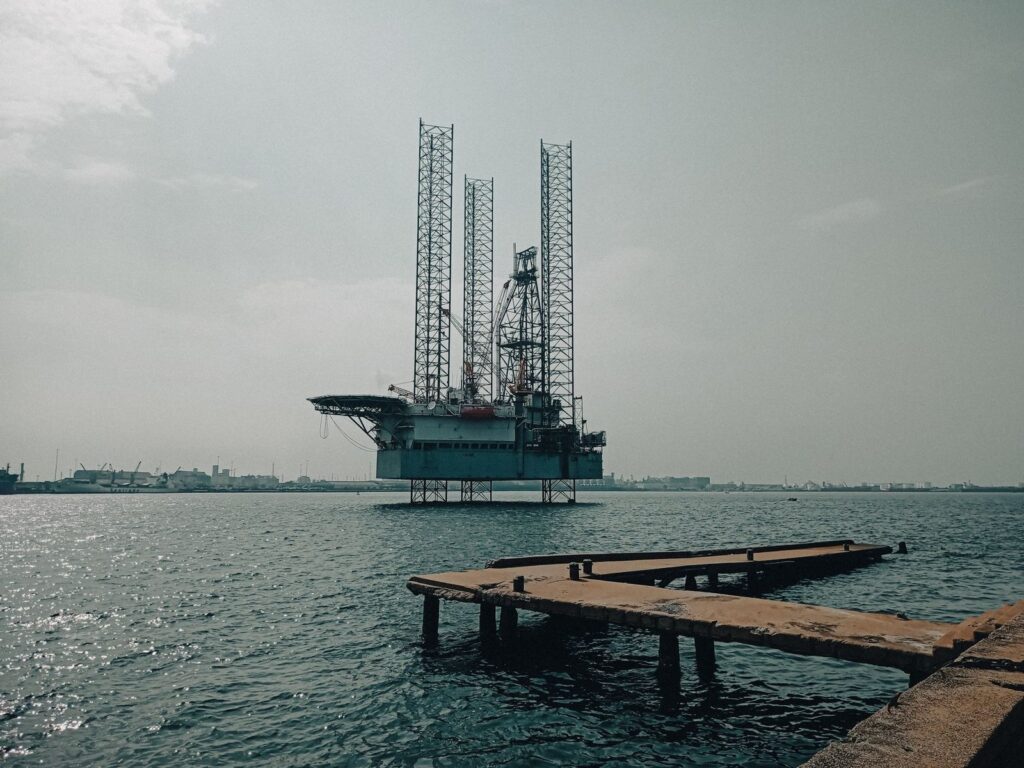
The primary goal of Prime’s entry is to secure the financing required for NJOM-3, the next appraisal well on Thali. Tower has adjusted its schedule: drilling is now expected to commence in early Q2 2027, starting in April, rather than the previously anticipated Q1. While an earlier start isn’t ruled out, management has opted for the more conservative timeline in its projections.
“We currently plan to begin drilling at the start of the second quarter of 2027,” says Jeremy Asher, CEO of Tower Resources. The choice of drilling rig hasn’t yet been locked in. The company is still evaluating available units globally and will suspend public updates on this front until a firm contract is signed. Meanwhile, other critical service agreements are already in advanced stages of negotiation.
A portion of the logistical groundwork is already in place in Douala, where Tower has stored equipment—including a system designed to temporarily suspend the well after testing and repurpose it later for production if results are favorable.
Tower’s cash crisis makes Prime’s investment mission-critical
Prime’s injection couldn’t come at a more crucial time for Tower. The company states in its report that it must either complete the Cameroonian farm-out, secure another deal on its assets, or raise additional capital to meet its obligations. As of June 30, 2026, Tower’s cash reserves stood at just $66,583, against current liabilities of $2.91 million. The company has never produced a barrel and generates no revenue.
Over the first half of the year, $453,000 was capitalized in Cameroon, down from $982,000 in the same period the prior year. These expenses cover NJOM-3 preparations, engineering studies, drilling planning, and the Douala office’s operations. The $15 million pledged by Prime should cover the remaining funding gap for the appraisal well. Further project phases—including post-drilling tests and potential commercial development—would require follow-up funding rounds. New capital would also be needed to advance reservoir delineation and future development if NJOM-3 proves successful.