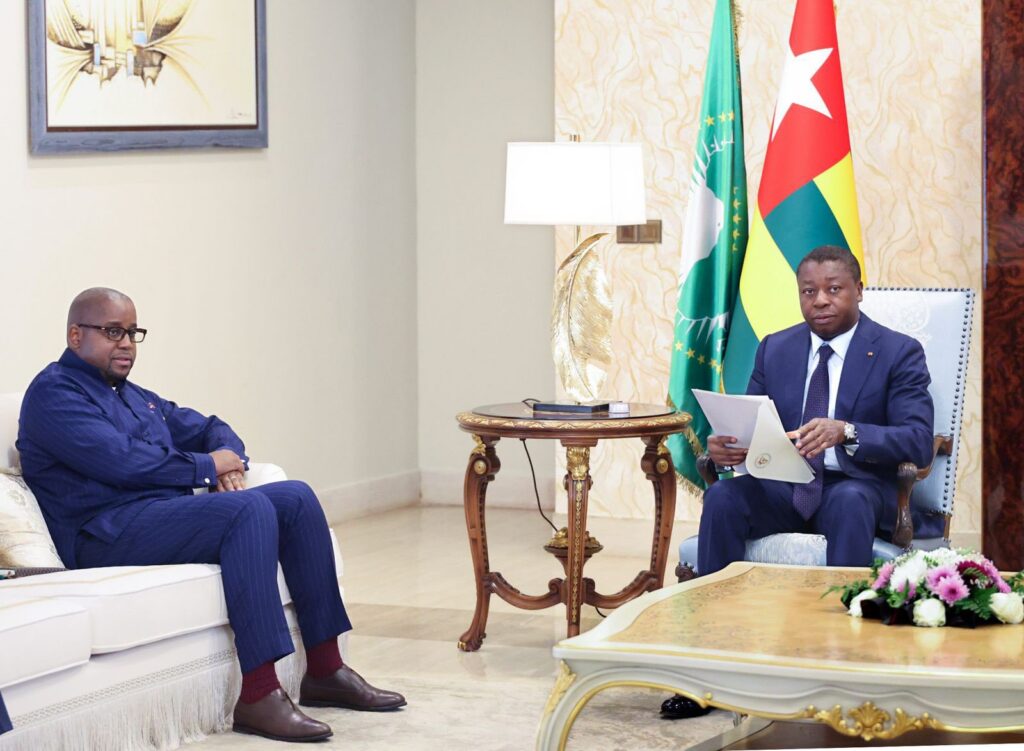
Lomé, Togo — A landmark meeting in Lomé on September 29, 2026, signals a turning point in the push for peace in the Democratic Republic of the Congo (DRC).
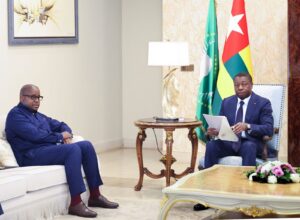
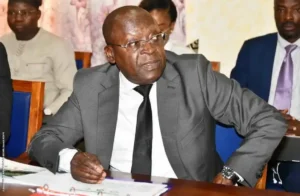
Togolese President Faure Gnassingbé hosted Congolese Regional Integration Minister Floribert Anzuluni in an official engagement that could redefine regional stability. The high-stakes discussion centered on accelerating the pacification of eastern DRC, a region long plagued by armed conflict and civilian suffering.
Minister Anzuluni arrived bearing a critical communiqué from Congolese President Félix-Antoine Tshisekedi Tshilombo, explicitly requesting the Togolese leader’s continued leadership in the African Union’s mediation efforts. In a statement following the closed-door talks, Anzuluni emphasized the urgency and importance of unified regional action, declaring, “We were entrusted with a direct message from President Tshisekedi to President Gnassingbé regarding the ongoing stabilization process in eastern DRC.”
Key discussions also addressed recent breakthroughs in disarmament and demobilization initiatives, essential for dismantling armed factions and fostering lasting peace. These developments mark a pivotal moment in Kinshasa’s strategy to reclaim control and restore security in mineral-rich eastern provinces.
How Togo’s diplomatic pivot is reshaping Congo’s peace process
Since assuming his role as African Union mediator in April 2025, Faure Gnassingbé has elevated Lomé’s status as a diplomatic hub for regional conflict resolution. Under his stewardship, multiple high-level summits and closed-door negotiations have convened African facilitators, regional leaders, and international partners.
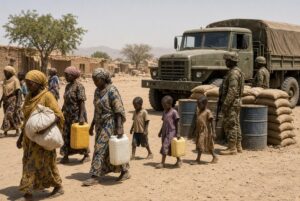
These efforts are designed to bridge political divides, strengthen ceasefire commitments, and unify peacebuilding strategies. The ongoing collaboration reflects a shared commitment to ending hostilities and addressing the humanitarian crisis gripping eastern DRC. With civilians bearing the brunt of prolonged instability, the stakes could not be higher.
Armed group disarmament: A critical step toward stability
During the meeting, Minister Anzuluni provided an in-depth overview of Kinshasa’s recent disarmament programs targeting non-state armed groups operating in eastern DRC. These initiatives aim to dismantle militias, reduce violence, and create conditions for sustainable peace.
The Congolese delegation underscored the importance of international support in scaling these efforts, highlighting Togo’s pivotal role in rallying regional consensus. Success here could unlock economic recovery and restore vital trade routes disrupted by years of conflict.
Regional stability in the Great Lakes: Why Lomé matters
The Great Lakes region has long struggled with cross-border tensions, armed escalations, and humanitarian emergencies. With Congo’s eastern provinces as an epicenter, the crisis demands coordinated action from neighboring states.
Lomé’s strategic location and proactive diplomacy position it as a key mediator, bridging divides between Kinshasa and rebel factions. Recent engagements suggest that a new chapter in regional security is within reach—one that prioritizes dialogue over confrontation.
What’s next for DRC peace efforts?
Following the Lomé talks, all eyes are on the next phase of negotiations. Expect intensified consultations between African Union envoys, Congolese officials, and regional stakeholders to finalize a roadmap for disarmament and political reconciliation.
For the people of eastern DRC, the momentum generated in Lomé offers a glimmer of hope. But lasting peace will require sustained commitment, robust implementation, and renewed regional solidarity.