Chad 2026 baccalaureate results reveal tough challenges for students
The 2026 baccalaureate results in Chad show a highly selective exam, with 42.96% of candidates failing. Students face an uphill battle, but resilience and determination will pave the way to future success.
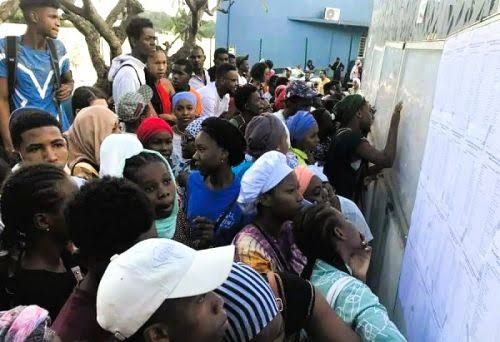
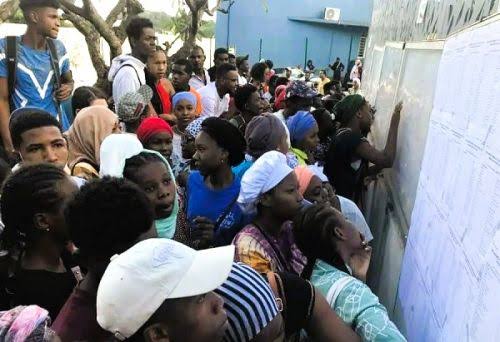
The announcement of the 2026 baccalaureate results in Chad has sparked mixed emotions across N’Djamena and the country. While some candidates celebrate their triumphs, others face the harsh reality of delayed academic dreams. For those who fell short, the disappointment is palpable—but it must not define their future.
The National Office of Higher Education Examinations and Competitions reports that 106,231 candidates registered for this year’s baccalaureate, spanning all academic tracks. Of these, 27,872 students secured direct admission, translating to a 26.24% pass rate. An additional 32,722 candidates—or 30.80%—advanced to oral or supplementary exams, offering a second chance at success.
Unfortunately, 45,637 students—nearly 42.96% of all candidates—did not progress past the initial stage. These figures underscore the competitive nature of the 2026 baccalaureate. Performance varied significantly by track, with the DA series leading at 79.28% direct admissions, followed by AB at 73.42% and CA at 60.87%. In contrast, the G2A series saw only 11.76% direct admissions, while the D series—despite having the highest number of candidates (25,952)—recorded just 23.32% direct admissions.
Behind the numbers: why do some students struggle?
Failure in the baccalaureate is a recurring challenge for thousands of young people each year. Behind the statistics lie complex realities: incomplete preparation, economic hardships, limited access to learning materials, overwhelming exam stress, overcrowded classrooms, or disruptions in schooling. These obstacles highlight that success hinges not only on individual effort but also on the quality of educational support systems.
Turning setbacks into opportunities
For students who did not meet expectations, this moment should serve as a catalyst for reflection and growth. A single exam result does not dictate one’s future. History shows that many accomplished individuals once faced academic setbacks but later thrived through determination, discipline, and perseverance. Educational authorities, schools, and families must rally to guide struggling candidates with tailored support, mentorship, and encouragement.
Improved supervision, targeted tutoring, consistent progress tracking, and better career guidance could significantly boost future outcomes. Meanwhile, candidates awaiting supplementary exams must maintain their focus, as their second opportunity is within reach. The 2026 baccalaureate results in N’Djamena are not an endpoint—they are a call to action.
As a timeless African proverb reminds us: “A fall is not the end of the journey; it is the refusal to rise that truly closes the path.” A closed door today can lead to an open window tomorrow—if one refuses to give up.