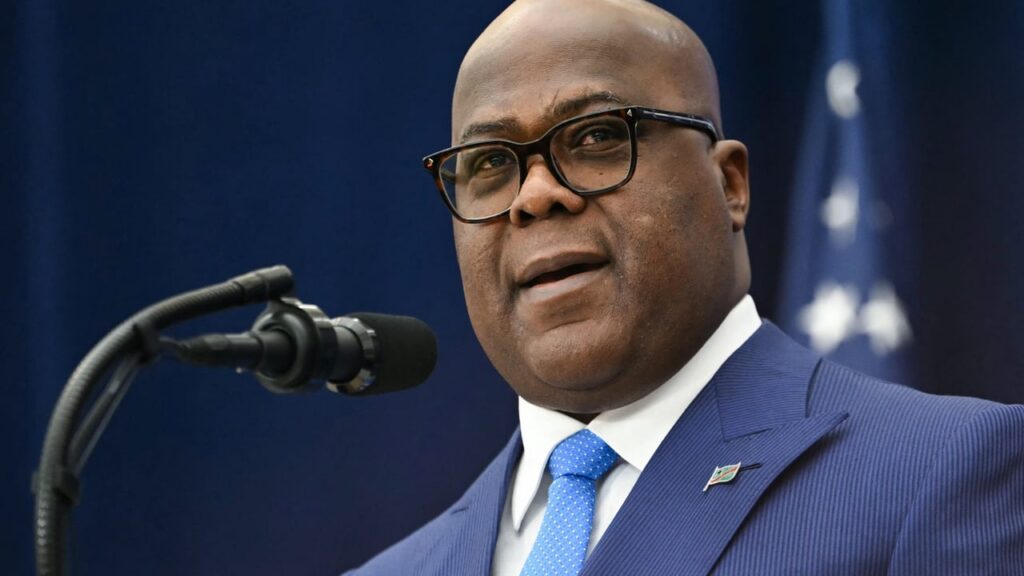
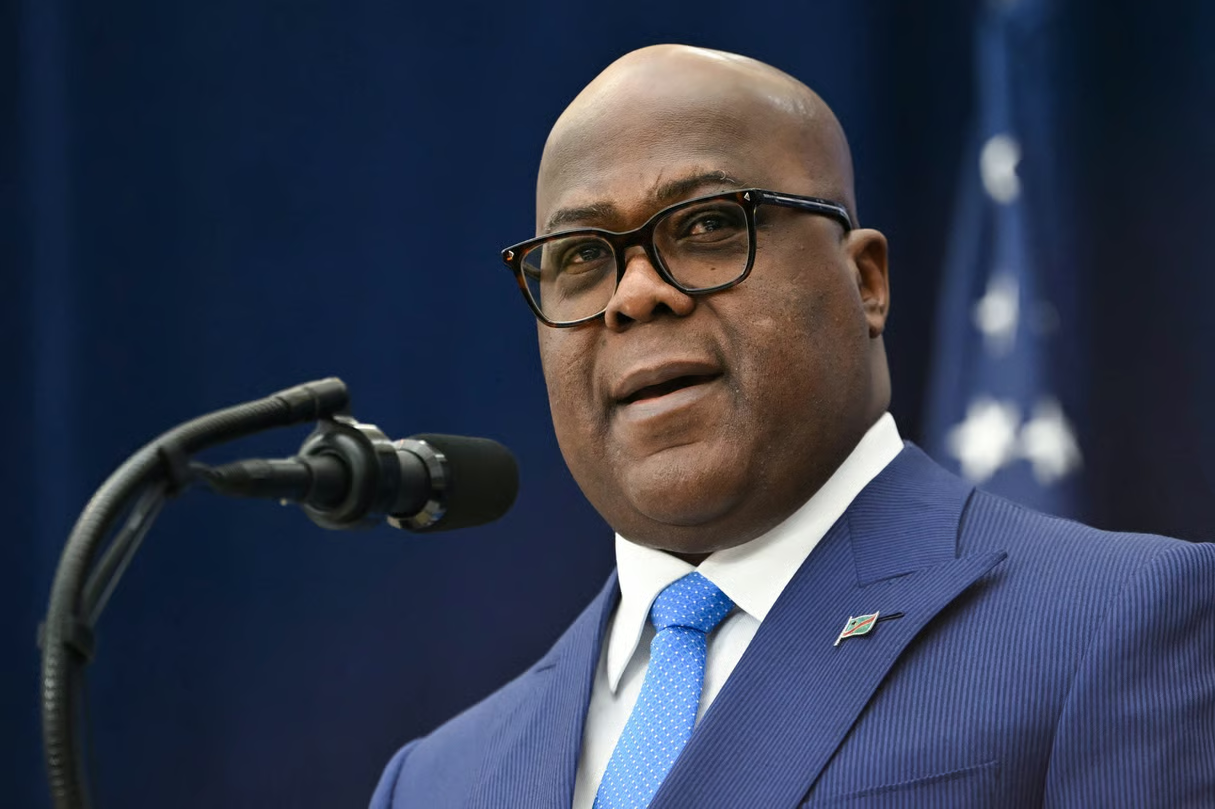
The Constitutional Court in the Democratic Republic of the Congo (DRC) has delivered its verdict on a contentious legislative proposal that could enable President Félix Tshisekedi to run for a third term. The ruling, which came after months of heated debate, removes a key legal obstacle standing in the way of his potential reelection bid.
court endorses amendment allowing extended presidential terms
The decision follows the introduction of a constitutional amendment aimed at modifying term limits for the head of state. Legal experts and opposition figures had previously raised concerns over the move, arguing it could undermine democratic norms and destabilize the country’s political landscape. The court’s endorsement, however, now paves the way for the amendment to proceed through the legislative process.
President Tshisekedi, who has been in office since January 2019, has not publicly confirmed whether he will seek a third term. Yet the constitutional change, if fully enacted, would remove the existing two-term restriction, effectively clearing the path for his potential candidacy in the next election cycle.
political reactions and public sentiment
The court’s ruling has sparked a wave of reactions across the DRC’s political spectrum. Supporters of the amendment celebrate it as a necessary step for stability and continuity, while critics warn of a dangerous erosion of democratic safeguards. Public sentiment remains deeply divided, with protests and counter-protests erupting in major cities amid heightened tensions.
International observers have also weighed in, expressing concern over the implications of the constitutional amendment for the DRC’s democratic trajectory. Some foreign governments and human rights organizations have called for restraint, urging all parties to prioritize dialogue and respect for constitutional processes.
next steps in legislative and electoral process
With the constitutional hurdle cleared, the proposed amendment now moves to the National Assembly for debate and approval. If passed, it would then be sent to the Senate before potentially being put to a national referendum. The timing of these steps remains uncertain, as political factions intensify their efforts to sway public opinion and secure support.
The DRC’s electoral commission has indicated that preparations for the next presidential election are already underway, though no official date has been announced. The unfolding political dynamics will play a decisive role in shaping the country’s future governance and democratic integrity.