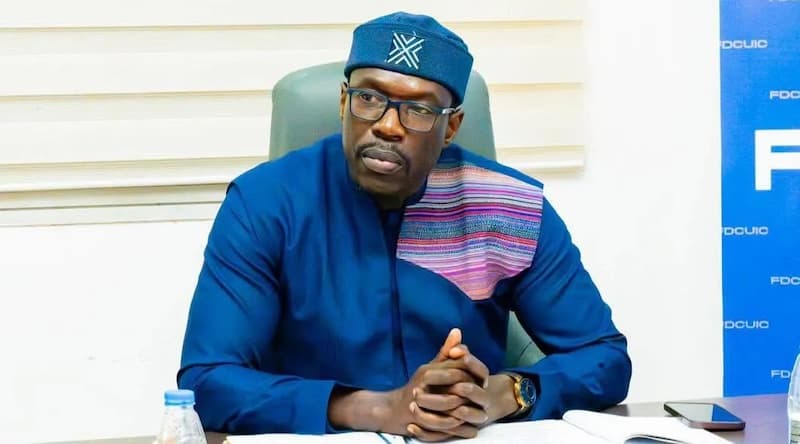
In a bold move shaking up Senegal’s political landscape, Mor Tallah Gueye, President of the Administrative Council of the FDCUIC, has tendered his resignation, aligning himself with the growing faction within the Pastef movement that remains steadfast in its support for Ousmane Sonko.
« I am stepping down from my position as President of the Administrative Council of the FDCUIC », declared Mor Tallah Gueye in an official statement. His decision reflects a deep commitment to the values of sovereignty, systemic change, and the transformative vision spearheaded by Pastef. « We believed in this project—a fight against the entrenched system to bring real change to Senegal. This is why we committed ourselves to serve, upholding the principles we have always stood for », he emphasized.
a principled stand against political drift
Mor Tallah Gueye’s resignation comes at a critical juncture. Ousmane Sonko, the figurehead of this political project, has been sidelined from the executive branch, while what he describes as « a system we fought to dismantle » appears to be regaining control. « I refuse to be complicit in this regression. Our struggle continues—for a Senegal that is just, sovereign, and true to the ideals that once inspired an entire nation », he declared.
The exit of Mor Tallah Gueye is not an isolated incident. Earlier, the Coordinator of the Patriotic Youth of Senegal in Touba had also resigned from his presidential advisory role, citing unwavering loyalty to Sonko. These departures, occurring in stark contrast to the trend of political realignments toward the presidential camp, underscore a widening rift within Pastef—between those who prioritize institutional allegiance and those who remain loyal to the movement’s founding principles.
the cost of fidelity in Senegal’s political climate
Mor Tallah Gueye’s decision carries significant weight. His statement underscores a broader debate: « Commitment is not measured by a title or position, but by the fidelity to one’s beliefs ». As Senegal navigates its political future, his resignation serves as a reminder that the fight for systemic change transcends personal ambition. It is a call to uphold the ideals that once galvanized a nation’s hope for progress and accountability.