landmark ruling by constitutional court in Kinshasa
The Constitutional Court in Kinshasa has issued a pivotal decision, granting President Félix Tshisekedi the green light to seek a third consecutive term in office. This ruling, delivered after thorough legal examination, removes the final legal hurdle blocking his eligibility for the upcoming elections.
The court’s decision hinges on a controversial constitutional interpretation that redefines term limits. Critics argue this move circumvents democratic norms, while supporters emphasize the ruling’s adherence to legal procedures. The debate has intensified across the country, reflecting deep political divisions.
what the decision means for the democratic republic of Congo
This landmark judgment reshapes the political landscape ahead of the elections. President Tshisekedi’s party, the Union for Democracy and Social Progress (UDPS), now faces the task of mobilizing support for his candidacy. Meanwhile, opposition groups have vowed to challenge the ruling through public demonstrations and legal avenues.
Analysts warn that the decision could exacerbate tensions in a nation already grappling with socio-economic challenges. The international community is closely monitoring the situation, with calls for peaceful elections and respect for democratic principles.
public reaction and political fallout
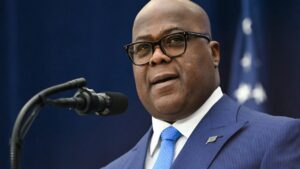
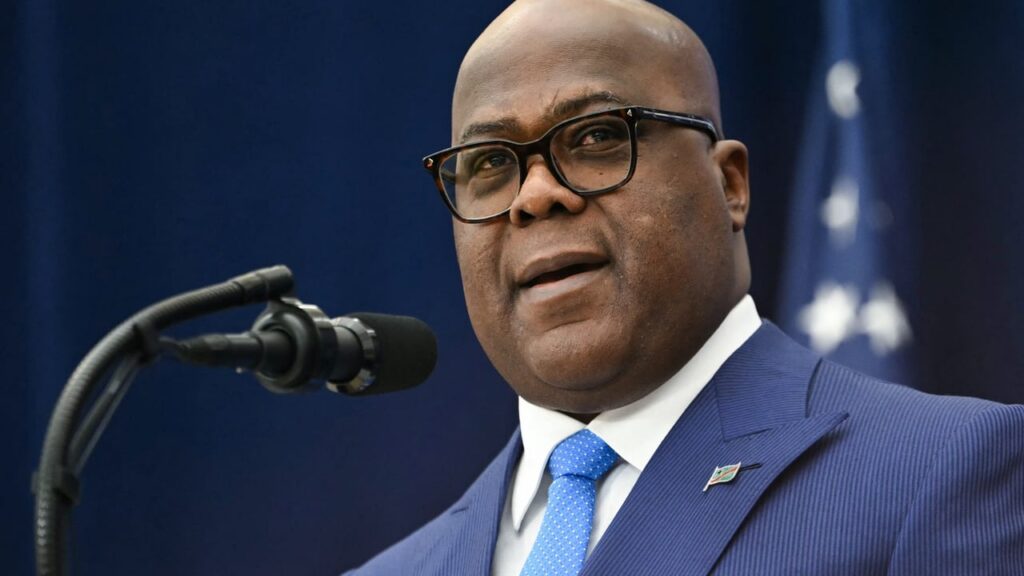
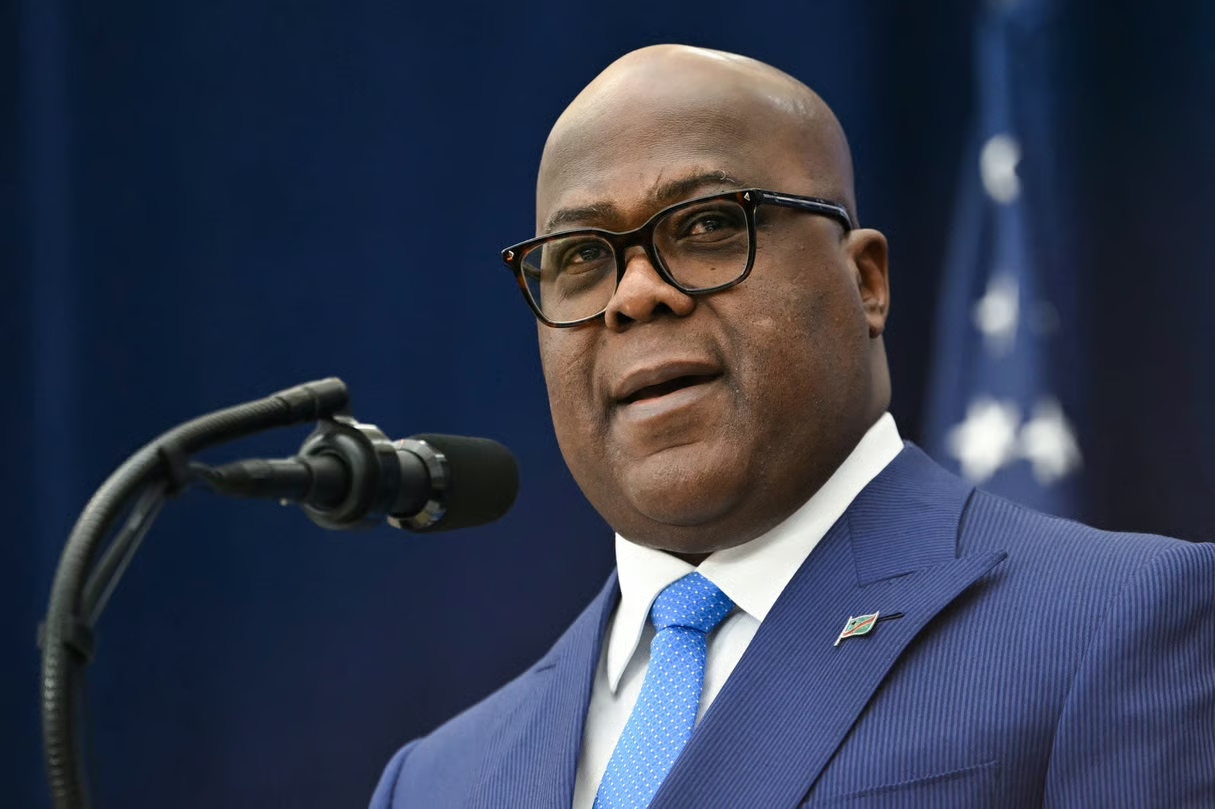
The court’s announcement sparked immediate reactions. In Kinshasa, Félix Tshisekedi addressed the nation, framing the decision as a victory for constitutional democracy. His supporters gathered in the capital, celebrating the ruling as a step toward continuity and stability.
Opposition figures, however, condemned the verdict, labeling it a setback for democracy. Protests erupted in several cities, with demonstrators demanding transparency and adherence to term limits. Security forces have been deployed to maintain order, underscoring the government’s determination to prevent unrest.
legal and constitutional implications
The ruling underscores the evolving nature of constitutional law in the Democratic Republic of Congo. Legal experts highlight the need for clear term-limit provisions to prevent future disputes. The decision also raises questions about the judiciary’s role in shaping political outcomes, a topic likely to dominate discussions in the coming months.
As the nation prepares for elections, the focus shifts to ensuring a level playing field. The government has pledged to uphold electoral integrity, while opposition leaders demand reforms to guarantee fairness. The coming weeks will be critical in determining the country’s democratic trajectory.