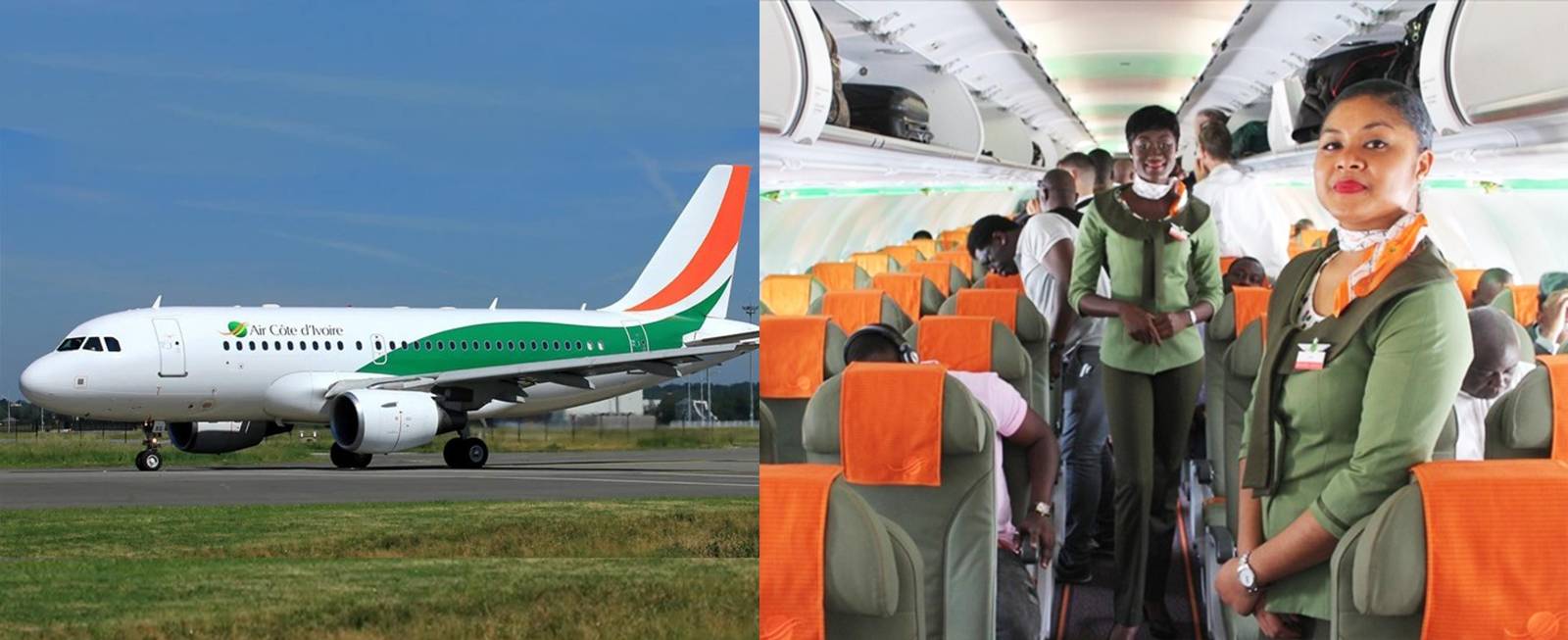
The Ivorian government has implemented a decisive measure to stimulate the aviation sector. A substantial 25% reduction in passenger service charges has been officially approved, aiming to strengthen Air Côte d’Ivoire and enhance air travel accessibility.
This strategic reform marks a significant shift in the country’s approach to aviation policy. By significantly lowering airport fees, the government is not merely addressing a symbolic issue but initiating a long-term transformation of the air transport landscape in Côte d’Ivoire.
Understanding the impact of reduced airport taxes
While travelers often wonder about the breakdown of airfare costs, a substantial portion consists of taxes and fees that do not benefit the airline but are directed to state authorities and airport operators. By targeting these expenses, the Ivorian administration is addressing two critical priorities:
- Enhancing travel affordability: Lower taxes directly translate to reduced ticket prices, making air travel more accessible to a broader population and shifting its perception from a luxury to a viable option.
- Boosting Air Côte d’Ivoire’s competitiveness: In a market dominated by international carriers, the national airline gains a pricing advantage, enabling it to attract more passengers and improve fleet utilization.
Transforming Abidjan into a regional aviation hub
This initiative is part of a broader strategy to position the Félix Houphouët-Boigny International Airport in Abidjan as the premier aviation gateway in West Africa. The government’s decision reflects an understanding that excessive fiscal burdens have historically impeded both domestic mobility and the expansion of the national airline.
« The current air travel taxation framework was a major obstacle to growth, limiting citizen mobility and restricting our national carrier’s potential. This 25% reduction removes a critical barrier to progress. »
By making Abidjan a more cost-competitive destination for airlines and passengers, Côte d’Ivoire aims to capture a larger share of the regional and international travel market, reinforcing its economic and logistical influence in West Africa.
Key outcomes of the policy change
- Measures implemented: 25% reduction in passenger service charges, direct support for Air Côte d’Ivoire, and a strategic push to develop Abidjan as a regional hub.
- Anticipated benefits: More affordable airfares, strengthened national carrier operations, and enhanced regional connectivity through Abidjan’s airport.
- Primary beneficiaries: Ivorian and international travelers, the national economy, and the broader West African region seeking improved air travel infrastructure.