Ivorian cashew producers have achieved a significant milestone with the signing of a landmark financing agreement on June 11, 2026, between the National Investment Bank (BNI), the Cotton and Cashew Council (CCA), and local processors. This tripartite convention marks a turning point for the nation’s cashew industry, which has long sought to enhance domestic value addition through local transformation.
Local processors lead industrial transformation drive
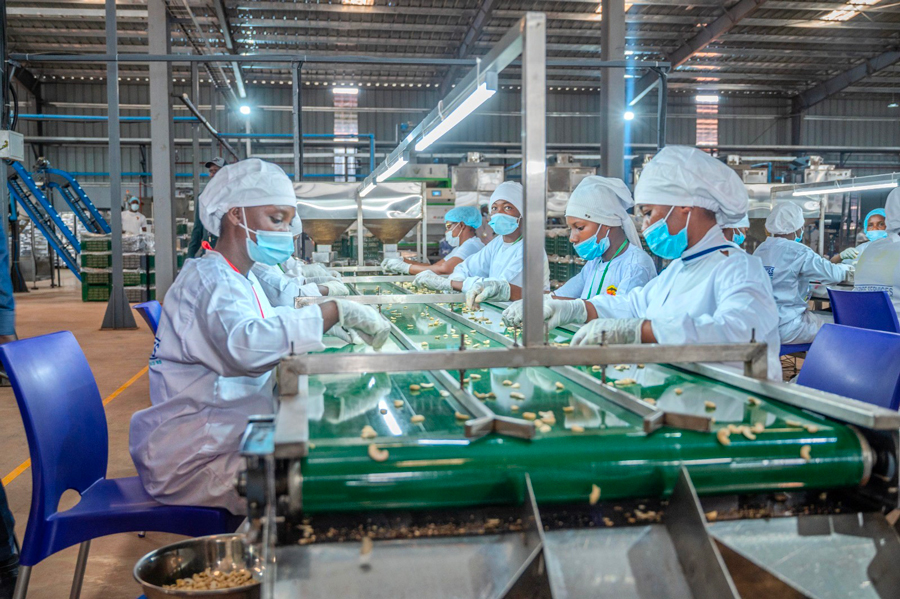
The Groupement des Transformateurs de Cajou Ivoiriens (GTCI), representing operators handling 100,000 tonnes of raw cashew nuts annually, has been at the forefront of this push. Through significant private investment, these processors have built and expanded processing plants, driving the industrialization of the cashew sector. Their efforts have not only added value to Côte d’Ivoire’s agricultural output but also strengthened the national economy by supporting job creation and industrial growth.
A lifeline for cashew processors
In a letter dated July 17, 2026, addressed to top government officials including President Alassane Ouattara, Prime Minister Robert Beugré Mambé, and key ministers, GTCI President Denis Kouadio expressed deep appreciation for the financial mechanism that now enables processors to secure raw cashew supplies and cover operational costs throughout the year. This innovation directly addresses the critical challenges processors face, especially during the peak harvesting season when raw nut prices fluctuate and financing needs peak.
The GTCI highlighted how this financing structure—combining CCA’s advance supply guarantee and BNI’s funding—will stabilize raw material availability and reduce financial strain on processors, ensuring uninterrupted factory operations and sustained export activities.
How the new financing model works
The agreement establishes a two-tiered funding system: the CCA commits to supplying 20% of each processor’s annual raw cashew needs at the start of the season, while the BNI finances the remaining 80%, including working capital for industrial and export operations. This coordinated approach ensures that processors have the resources to maintain production levels, meet market demand, and expand their operations without cash flow disruptions.
Denis Kouadio also commended the leadership and collaboration of Vice Prime Minister Téné Birahima Ouattara, Minister of Trade and Industry Khalil Konaté, Minister of Economy and Finance Adama Coulibaly, CCA Director General Mamadou Berté, BNI CEO Youssouf Fadika, and BNI Deputy CEO Jérôme Ahua. Their collective efforts were instrumental in designing and implementing this forward-thinking financial tool, which is set to become a model for other agricultural value chains.
From raw nuts to global market leader
Côte d’Ivoire is the world’s top producer of raw cashew nuts, with an annual output of about 1.5 million tonnes. The country now operates 37 processing plants with a combined capacity exceeding 830,000 tonnes. With a local processing rate of 43%, Côte d’Ivoire ranks second among global exporters of cashew kernels and is the third-largest cashew processor globally, according to 2025 data from the International Trade Centre (ITC).
Having already mastered raw nut production, the nation is now focused on accelerating local transformation to retain more value within its borders, build a stronger industrial base, and generate more employment opportunities for its citizens.
A blueprint for other agricultural sectors
The success of this financing model has sparked discussions about adapting it to other key agricultural value chains, particularly cocoa. If implemented, such a mechanism could unlock similar benefits for national processors, further boosting Côte d’Ivoire’s industrial competitiveness and economic resilience in West Africa.