In the Democratic Republic of Congo, a landmark campaign is demanding accountability for crimes that have spanned generations. The six million signatures being collected are not just numbers—they represent a growing chorus of voices calling for an end to impunity and a reckoning with the past.
After 30 years of conflict, victims still await justice
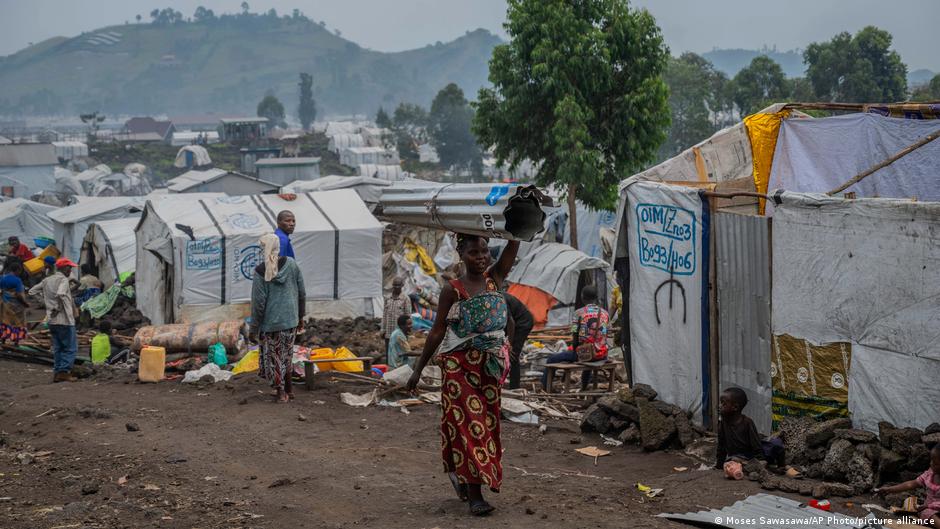
From the rebel-held territories of North Kivu to the displaced camps in Kinshasa, Congolese citizens are uniting behind a single message: justice cannot wait. The “6 Million Voices for Justice in Congo” campaign, spearheaded by Amnesty International, is pushing for a national reckoning with decades of atrocities that have left millions dead and displaced.
Noël Chiza, a resident of Goma’s Kasika district, has spent his entire life in conflict. At 37, he has witnessed unspeakable violence, lost loved ones, and seen perpetrators of crimes rewarded with public office rather than facing consequences. His frustration mirrors that of countless others who feel abandoned by a system that fails to punish the guilty.
"We are born in war, live in war, and die in war. How can we reward those who destroyed our lives by giving them positions of power instead of holding them accountable?"Survivors still searching for closure
The figure of six million signatures is not arbitrary—it reflects the estimated death toll in eastern DRC’s conflicts. Yet behind this staggering number lie millions more survivors, like Josué Wallay, who were forced to abandon their homes and livelihoods. His story is one of displacement, loss, and the erosion of identity.
"I was uprooted from my community in the east and forced to rebuild my life in Kinshasa. The conflicts didn’t just take my home—they shattered my sense of belonging, my work, and my future."Can Congo break the cycle of impunity?
Human rights defender Raphaël Wakenge argues that justice is not a luxury—it’s a necessity. “The Congolese justice system is paralyzed by a lack of resources and political will.” Wakenge insists that reparations for victims and the prosecution of war criminals are essential steps toward lasting peace.
The campaign’s latest push calls for October 1st to be recognized as a National Day of Reflection on International Crimes in DRC—a symbolic step toward acknowledging the nation’s darkest chapters.
What’s next for justice in Congo?
- Pressure on international courts to intervene where local institutions fail
- Demands for reparations programs for survivors and affected families
- Greater transparency in the appointment of officials linked to past atrocities
As the campaign gains momentum, one question looms large: will the world listen? For millions in Congo, justice is not just about punishment—it’s about reclaiming dignity after a lifetime of suffering.