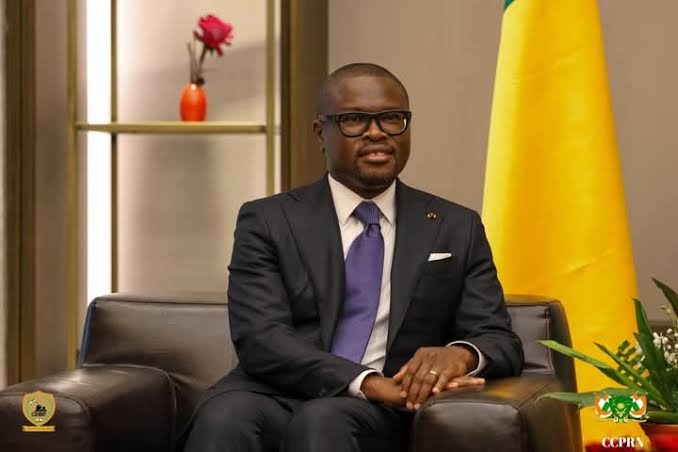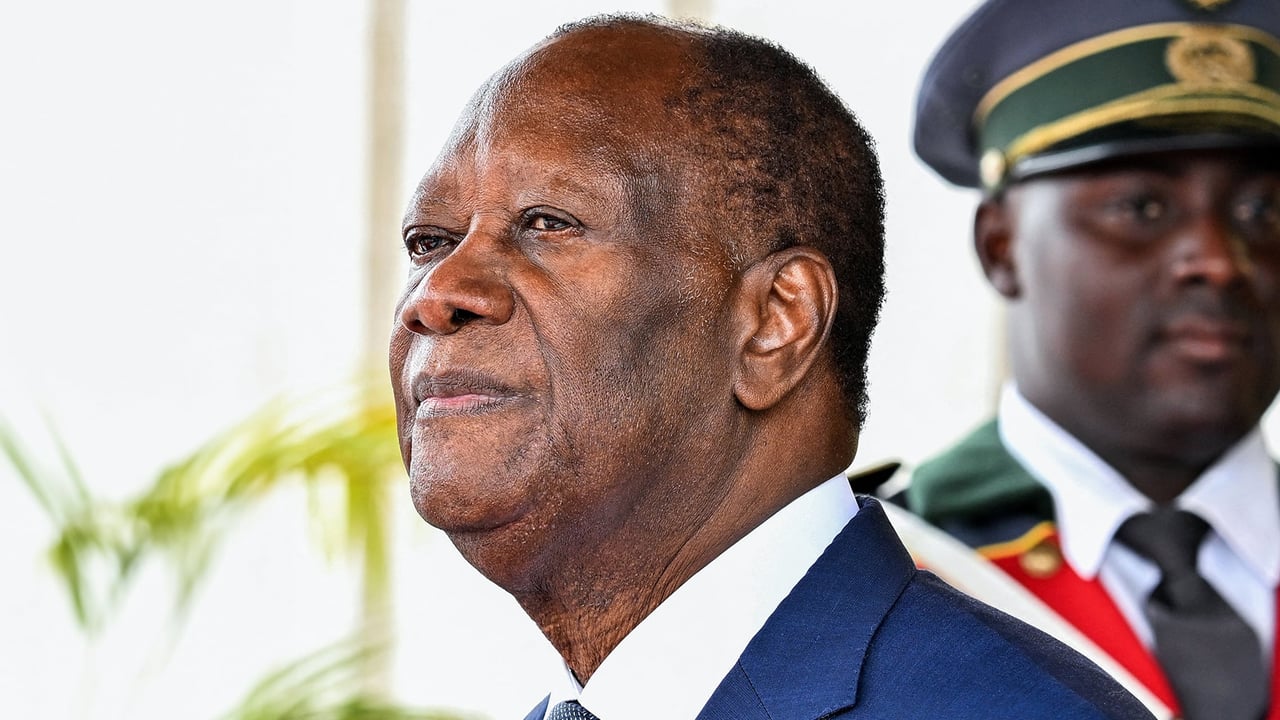
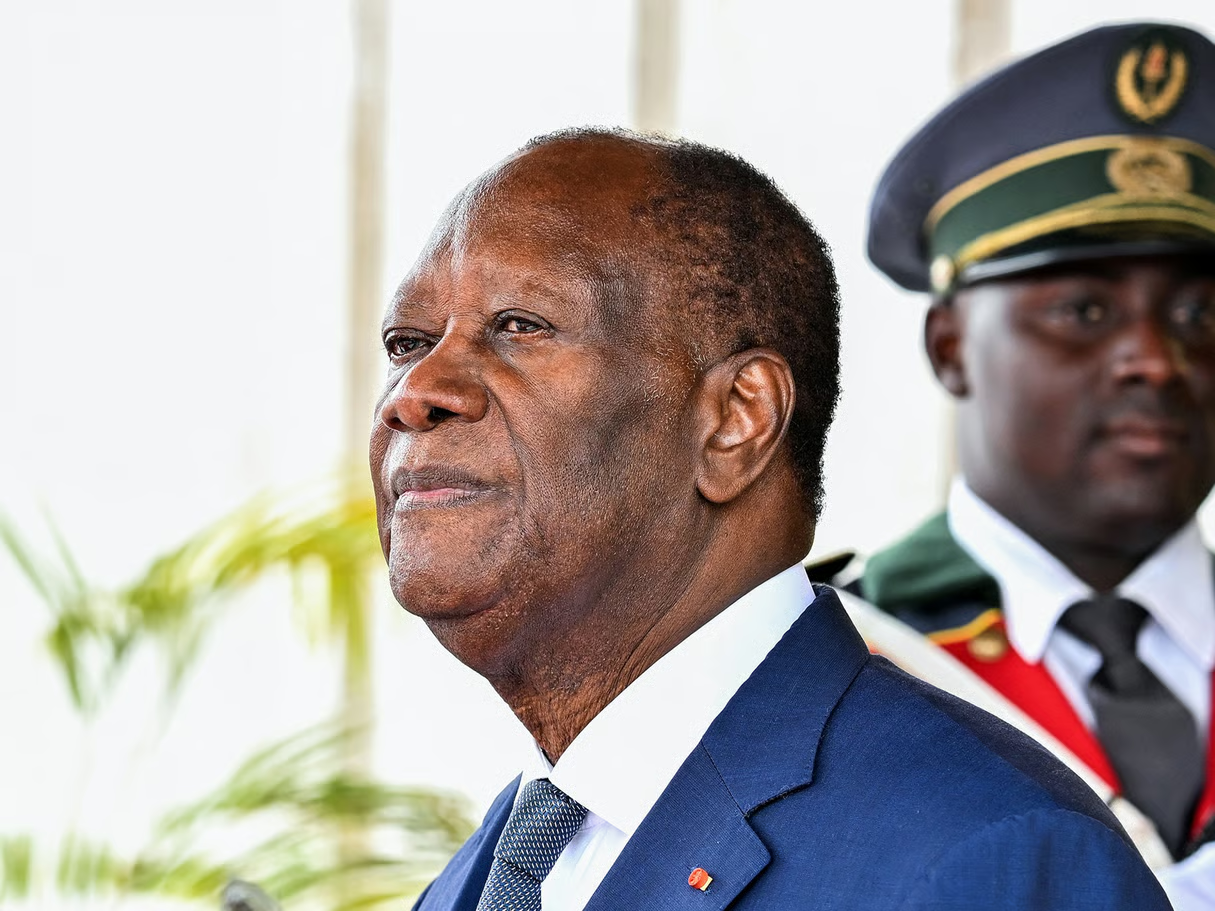
In Côte d’Ivoire, the Independent Electoral Commission (CEI) has been dissolved, marking a turning point in the country’s political landscape. The announcement was made by government spokesperson Amadou Coulibaly on May 6, with the stated goal of ushering in a new phase to ensure peaceful elections in the coming years.
what is the independent electoral commission and why was it dissolved?
The CEI has long been a focal point of political tensions, frequently at odds with both the executive branch and opposition groups. Its dissolution raises critical questions about the future of electoral oversight and political stability in Côte d’Ivoire.
key reasons behind the dissolution
- Political tensions: The CEI has been a persistent source of contention, with opposition parties and civil society often challenging its decisions and independence.
- Calls for reform: Many stakeholders have argued that the commission requires restructuring to enhance transparency and credibility in future elections.
- Government initiative: The move signals a government-led effort to reset the electoral framework ahead of upcoming polls.
what happens next? a new electoral framework
The government has indicated that a new electoral commission will be established to replace the dissolved body. This transition is expected to address long-standing concerns about election integrity and inclusivity.
steps toward a fresh start
- Consultations: Stakeholders, including opposition leaders and civil society, are expected to play a role in shaping the new commission.
- Reforms: Proposals may include changes to the commission’s composition, mandate, and operational procedures to ensure greater fairness.
- Timelines: The government aims to finalize the new structure in time for upcoming elections.
reactions from political actors
The dissolution has sparked mixed reactions. While some political figures and observers support the move as a necessary step toward reform, others remain skeptical about the government’s intentions and the potential for genuine change.
opposition and civil society respond
- Opposition skepticism: Many opposition leaders have expressed concerns that the dissolution could be a tactic to sideline dissenting voices rather than a genuine reform effort.
- Civil society engagement: Activists and watchdog groups are calling for greater transparency in the selection process for the new commission.
- International attention: The move has drawn interest from regional and international observers monitoring Côte d’Ivoire’s democratic progress.
long-term implications for Côte d’Ivoire
The dissolution of the CEI is more than a procedural change—it could reshape the country’s political dynamics. Ensuring that the new commission operates independently and fairly will be crucial for maintaining public trust and stability.
As Côte d’Ivoire navigates this transition, the choices made in the coming months will have lasting effects on its democratic institutions and electoral processes.