In the eastern regions of the Democratic Republic of the Congo (DRC), persistent breaches of international humanitarian law continue to escalate, despite repeated commitments from national authorities and international partners. The International Committee of the Red Cross (ICRC) has intensified calls for stricter adherence to these critical legal frameworks, emphasizing the urgent need for action.
With armed groups proliferating and civilians bearing the brunt of the violence, the ICRC organized a high-level conference in Kinshasa on July 23 to address the crisis. The event brought together military officials, humanitarian workers, and civil society representatives to discuss strategies for protecting civilians and ensuring accountability.
Civilians pay the heaviest price as war rules collapse
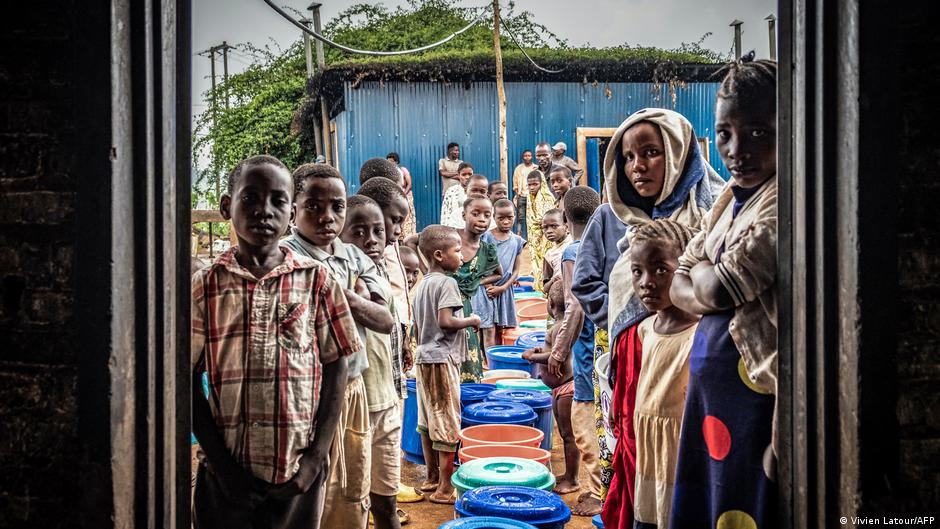
In conflict zones, international humanitarian law is either poorly understood or deliberately ignored, leaving civilians increasingly vulnerable. The lack of clear boundaries between armed groups and the civilian population further exacerbates the situation, making it difficult to distinguish combatants from non-combatants during attacks.
“Sexual violence has reached staggering levels, with millions of women, girls, and even boys falling victim every day,” warns Julienne Lusenge, a prominent human rights activist. “These crimes remain largely unpunished, and justice must be served—especially through international sanctions against perpetrators.”
The failure to prosecute such atrocities at the global level has emboldened perpetrators, she adds, calling for stronger legal mechanisms to hold those responsible accountable.
Military justice takes action amid ongoing impunity
Julienne Lusenge also stresses the importance of strengthening security forces and dismantling armed groups to better safeguard civilians. Meanwhile, military courts in the DRC have taken steps to prosecute soldiers accused of human rights violations. General Jean-Paul Tshayikolo, a military magistrate at the High Military Court, highlights the dual role of these trials: punishment and deterrence.
“While the military strives to maintain discipline, zero impunity is an unattainable goal,” he explains. “Every verdict serves as a lesson for other service members, reinforcing the message that violations will not go unanswered.” He points to documented cases where military justice has delivered convictions, demonstrating its commitment to accountability.
Fragmented armed groups complicate legal enforcement
Over 200 armed factions operate across the DRC’s eastern provinces, including North Kivu, South Kivu, Ituri, and Tanganyika. Their shifting alliances and blurred lines of command make it nearly impossible to identify and prosecute those responsible for violations of international humanitarian law.
The absence of a unified chain of command within these groups further undermines efforts to establish responsibility, leaving civilians without recourse. The ICRC has repeatedly warned that these dynamics foster a culture of impunity, where atrocities go unaddressed and victims remain uncompensated.
The situation demands urgent international attention to restore the integrity of humanitarian law and protect the most vulnerable in the DRC’s conflict zones.