CRP/FRP in Ituri: Lubanga’s movement struggles to gain armed group support
- Security
CRP/FRP’s regional ambitions clash with local realities in Ituri
The Convention for Popular Revolution/Forces for Popular Revolution (CRP/FRP), led by Thomas Lubanga, continues to face significant challenges in consolidating its position in Ituri province despite its stated regional ambitions. According to the latest United Nations Group of Experts report on the Democratic Republic of Congo, the movement has so far failed to establish any official cooperation with the AFC/M23 rebel group, despite Lubanga’s public endorsement of their cause in July 2025.
Since its official establishment on January 10, 2025, the CRP/FRP has maintained a distinctly anti-government stance while advocating for regional autonomy. The movement, composed of former warlords, political figures and local leaders from Ituri, has seen its internal cohesion tested by recent defections within its leadership ranks.
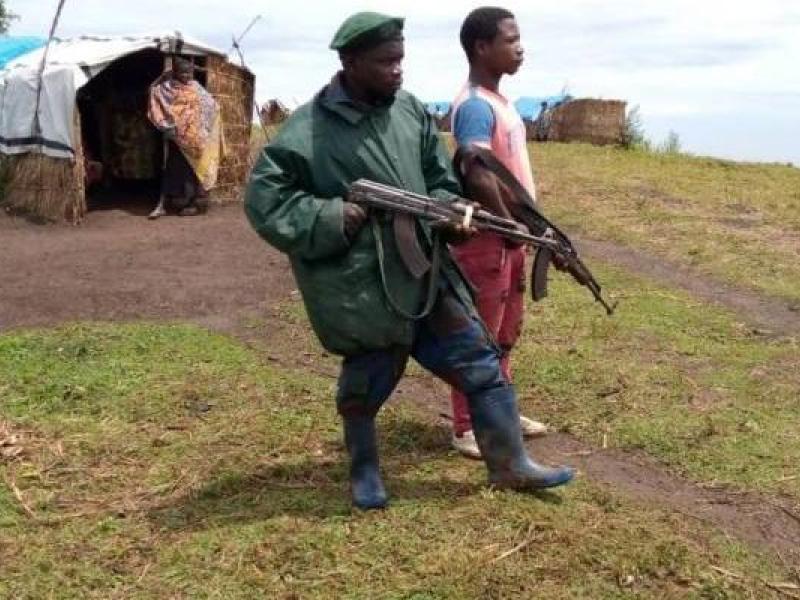
The CRP/FRP’s recruitment strategy has primarily targeted the Hema community, with some former members of the Zaïre group joining its ranks. Recruitment has also occurred in displacement camps within Ituri and refugee settlements in Uganda. As of November 2025, the movement commanded approximately 300 fighters, but this number has since grown to nearly 1,000. Notably, Innocent Kaina, subject to international sanctions, has collaborated with the CRP/FRP in refugee camps across the border.
Limited influence despite expansion efforts
Despite these numerical gains, the CRP/FRP has struggled to secure meaningful support from other armed groups operating in Ituri or from local communities. The movement’s attempts to recruit Lendu youth have met with limited success, highlighting the complex ethnic dynamics that continue to shape the province’s security landscape.
Thomas Lubanga, a convicted war criminal released from custody in 2020, has positioned the CRP as a vehicle for addressing what he describes as systemic governance failures in the DRC. The movement’s stated mission includes combating corruption, poor governance and human rights violations that have plagued Ituri for nearly a decade.
However, Lubanga’s efforts to position himself as a champion of change have been complicated by his controversial past. His 2012 conviction by the International Criminal Court for war crimes related to the conscription and use of child soldiers continues to cast a shadow over his political ambitions.
The CRP/FRP’s difficulties in gaining broader support reflect the broader challenges facing armed movements in eastern DRC. Despite periodic announcements of new alliances and expanded operations, most groups continue to operate with limited local backing, constrained by ethnic divisions and the legacy of past conflicts.