Dengue in Burkina Faso: an unprecedented outbreak claims over 200 lives
Since January, Burkina Faso has been grappling with the most severe dengue fever outbreak in its history. According to official reports from the government, the disease—transmitted by Aedes albopictus mosquitoes—has resulted in 214 fatalities. The capital, Ouagadougou, and Bobo-Dioulasso, the country’s second-largest city, have been hit hardest.
The Aedes albopictus mosquito, commonly known as the “tiger mosquito,” has been wreaking havoc across Burkina Faso. Its rapid proliferation has triggered a devastating dengue fever and chikungunya outbreak. Health authorities report that between January 1 and October 15, 2023, 50,478 suspected dengue cases were recorded, including 25,502 probable cases and 214 deaths. During the week of October 9–15 alone, 10,117 new suspected cases were reported, alongside 4,377 probable cases and 48 fatalities.
While the dengue outbreak persists in Ouagadougou and Bobo-Dioulasso, this tropical disease—which can range from flu-like symptoms to life-threatening complications—is not the only concern. Health Minister Robert Lucien Jean-Claude Kargougou confirmed that over 200 chikungunya cases have been documented since September. Both diseases share the same vector: the Aedes mosquito.
Dengue fever has periodically affected Burkina Faso since the 1960s, but the first documented epidemic occurred in 2017, resulting in 13 deaths. The World Health Organization (WHO) estimates that 100 to 400 million dengue infections occur globally each year, primarily in warm, urban, and semi-urban regions. Symptoms include high fever, severe headaches, nausea, muscle pain, and, in severe cases, hemorrhaging that can be fatal.
Government response and preventive measures
The surge in dengue cases is attributed to rising temperatures and intensified rainfall, creating ideal breeding conditions for tiger mosquitoes. To combat the crisis, the Ministry of Health has implemented several key measures:
- Free rapid diagnostic testing in public health facilities to enable early detection.
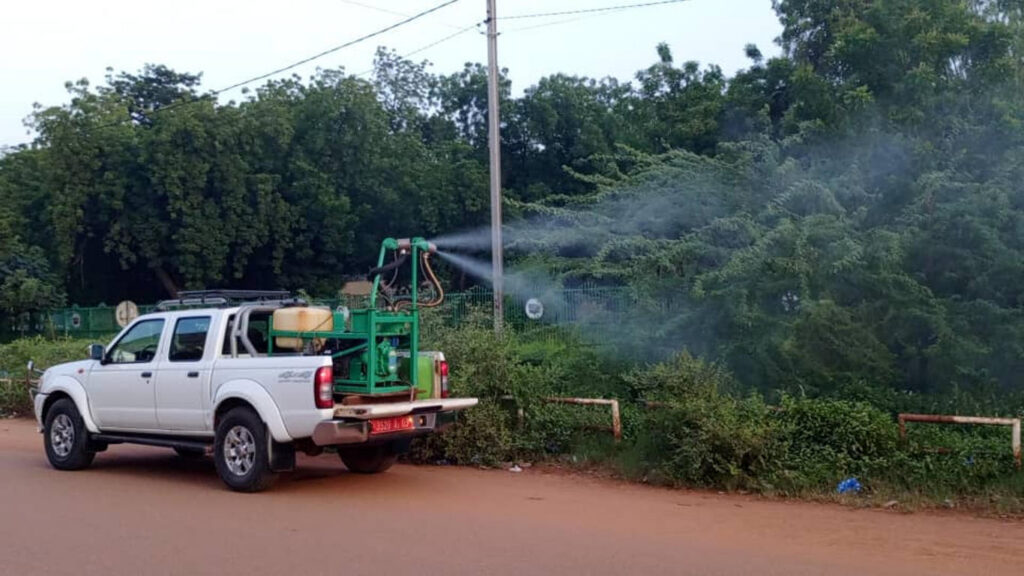
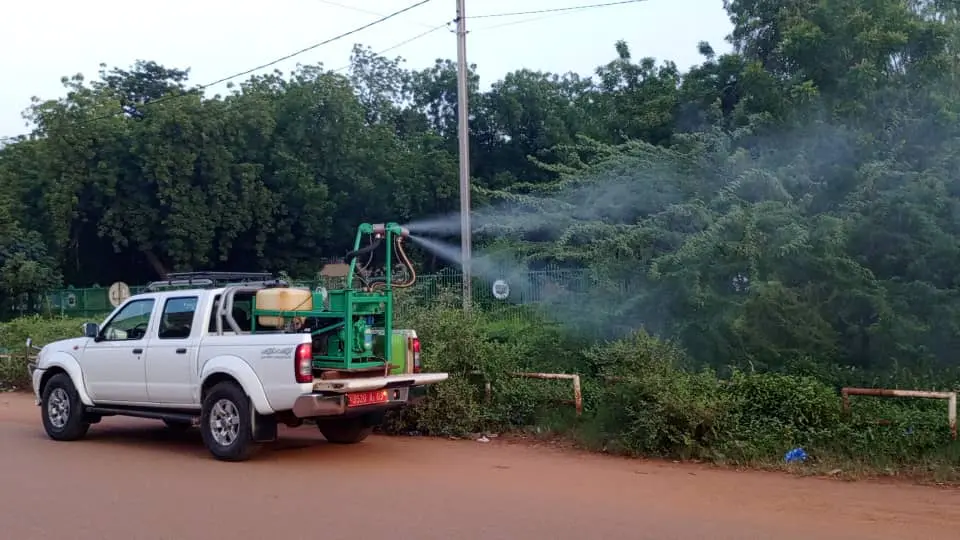
- A large-scale mosquito control campaign involving insecticide spraying in the most affected areas—Ouagadougou and Bobo-Dioulasso.
Health officials emphasize the importance of community participation in eliminating mosquito breeding sites, such as stagnant water in containers, tires, and poorly drained areas.