Empowering Sickle Cell Warriors: How Dr. Gloria Damoaliga Berges Is Transforming Care in Burkina Faso
Ouagadougou, Burkina Faso — With a prevalence rate of 4.63% and nearly 2% of newborns diagnosed with the severe SS form, sickle cell disease remains a critical public health challenge in Burkina Faso. This inherited blood disorder demands urgent, multisectoral action to address its devastating physical, psychological, and socioeconomic impacts across the nation.
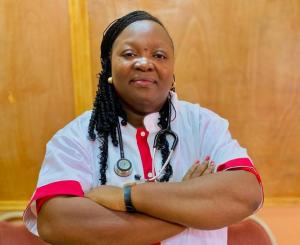
At the forefront of this fight is Dr. Gloria Damoaliga Berges, Vice President of the Centre d’Initiative contre la Drépanocytose au Burkina Faso (CID/B), whose decade-long dedication has reshaped the landscape of sickle cell care in the country. Through advocacy, community engagement, and policy reform, she has become a powerful voice for patients and families affected by this condition.
A Lifelong Mission to Alleviate Suffering
Dr. Berges’ commitment to sickle cell advocacy began early in her medical career. Witnessing the intense pain and helplessness of young patients left a lasting impression on her. In 2015, her involvement in establishing a specialized care unit at a major hospital marked a turning point. This initiative, supported by the Division of Intervention at the CID/B, laid the foundation for a more structured approach to managing the disease.
Breaking the Chain: Why Sickle Cell Still Affects Newborns
Sickle cell disease is hereditary—when both parents carry the hemoglobin S gene, there’s a 25% chance each pregnancy will result in a child with the severe form of the disease. Yet, many couples remain unaware of their genetic status before conception. The lack of routine hemoglobin electrophoresis testing—especially during pre-marital or prenatal screenings—perpetuates the cycle. Dr. Berges emphasizes the urgent need for widespread education on these critical tests to prevent future cases.
Community-Led Change: Education and Early Detection
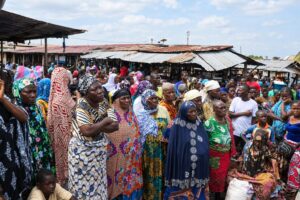
One of the biggest hurdles in Burkina Faso is the low awareness of sickle cell disease within communities. Dr. Berges has championed grassroots efforts to bridge this gap, including awareness campaigns and large-scale screening initiatives. Between January and July 2024, she coordinated a countrywide screening program that reached nearly 15,000 children across five regions, in partnership with a local NGO. These efforts not only improve early detection but also help combat the stigma often faced by patients and their families.
Strengthening Health Systems
Beyond community outreach, Dr. Berges has played a key role in strengthening Burkina Faso’s healthcare infrastructure:
- Training healthcare workers on pain management and specialized care for sickle cell patients.
- Launching Drépa Minute, a toll-free hotline (80001350) offering information in local languages to support families and individuals.
- Advocating for neonatal screening programs in collaboration with the Ministry of Health and hematology teams.
A Holistic Approach to Patient Support
The CID/B, under Dr. Berges’ leadership, provides comprehensive care that goes beyond medical treatment. Their model includes:
- Psychosocial support through support groups and therapeutic education sessions in 11 regional branches.
- Socioeconomic empowerment via income-generating activities to help patients achieve financial independence.
- Collaboration with health mutuals and advocacy for universal health coverage to ensure equitable access to care.
Progress and Challenges on the Road Ahead
Thanks to coordinated efforts, sickle cell disease is now a recognized priority in Burkina Faso’s public health agenda. The Ministry of Health, through the Directorate for the Prevention and Control of Non-Communicable Diseases (DPCM), has developed a dedicated strategic plan with support from partners like the French Development Agency, the Pierre Fabre Foundation, and the Principality of Monaco.
Significant strides have been made:
- Improved public and medical understanding of the disease.
- Increased training for healthcare professionals.
- Greater social acceptance of patients, who now live longer, build families, and pursue careers.
However, critical challenges persist:
- Limited access to screening and diagnosis in rural areas.
- Shortages of essential medications like hydroxyurea, pain relievers, and vaccines.
- Inadequate management of complications and transfusion needs.
Dr. Berges stresses the need for earlier neonatal and prenatal screening, better access to treatments, and stronger coordination between the Ministry of Health and its partners to address these gaps.
A Call for Continued Action
For Dr. Berges, the fight against sickle cell disease is about more than health—it’s a fight for dignity and hope. Despite the obstacles, she remains steadfast in her mission, driven by the belief that every patient deserves a chance at a fulfilling life. Her work serves as a testament to the power of advocacy, community engagement, and systemic change in transforming the lives of those affected by this disease.