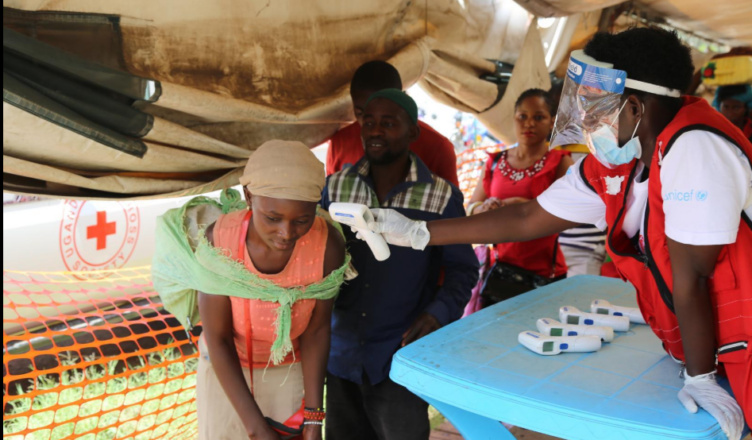
Since its declaration in mid-May, the Ebola epidemic in the Democratic Republic of Congo (DRC) has claimed 321 lives out of 1,203 confirmed cases. The latest health bulletin confirms the outbreak’s relentless spread across 34 health zones in Ituri, North Kivu, and South Kivu provinces, with Ituri remaining the hardest-hit region.
Current situation and challenges
The DRC Ministry of Health reports 148 recoveries and 419 active cases, either hospitalized or isolated. However, critical obstacles hinder containment efforts. Community resistance to post-mortem testing, strained healthcare capacities in Ituri, and a contact tracing rate below the 95% target continue to undermine response strategies. Authorities urge citizens to report suspicious cases, adhere to hygiene protocols, and refrain from handling deceased individuals.
International collaboration intensifies
Global health partners are rallying to counter the crisis. Africa CDC Director General Jean Kaseya highlights a unified strategy involving the World Health Organization (WHO), the European Centre for Disease Prevention and Control (ECDC), Congolese authorities, and French health officials. Meanwhile, WHO Director General Tedros Adhanom Ghebreyesus emphasizes how armed conflict exacerbates the situation by restricting access to affected areas, displacing contacts, and fostering public distrust.
Africa CDC and WHO launch joint initiative
In a decisive move, the Africa CDC, in partnership with the WHO Regional Office for Africa and the government of Uganda, has established the Incident Management Support Team (IMST). Headquartered at Makerere University in Uganda, this regional hub aims to enhance coordination, technical assistance, and cross-border cooperation for the DRC, Uganda, and neighboring nations facing similar risks.
The initiative underscores Africa’s commitment to strengthening health emergency preparedness and response through state-led, collaborative action.