How Russia’s security involvement is reshaping the Sahel landscape
As Moscow strengthens its military ties across the Sahel, its effectiveness in protecting Mali is coming under intense investigation.
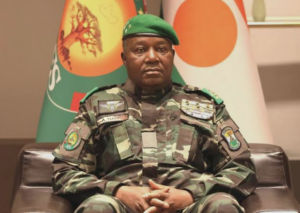
Following a series of intense offensives by insurgent groups against the Malian Armed Forces, the nation’s military leader, Assimi Goita, recently announced that the government remains in command. He noted that Russian tactical units provided vital aerial assistance to block rebels from seizing strategic sites, including the seat of power in Bamako.
Nevertheless, stability in this West African territory remains precarious. The administration is currently battling to reclaim various municipalities from Tuareg insurgents and fighters linked to al-Qaeda, who have threatened to impose a complete blockade on the capital city.
The recent wave of synchronized strikes across several urban centres, including Bamako, has sent shockwaves throughout the region. During these clashes, Mali’s Defence Minister, Sadio Camara, lost his life, and several northern strongholds, such as Kidal, fell to the opposition. While the military government claimed to have neutralized over 200 insurgents, the scale of the breach has raised alarms.
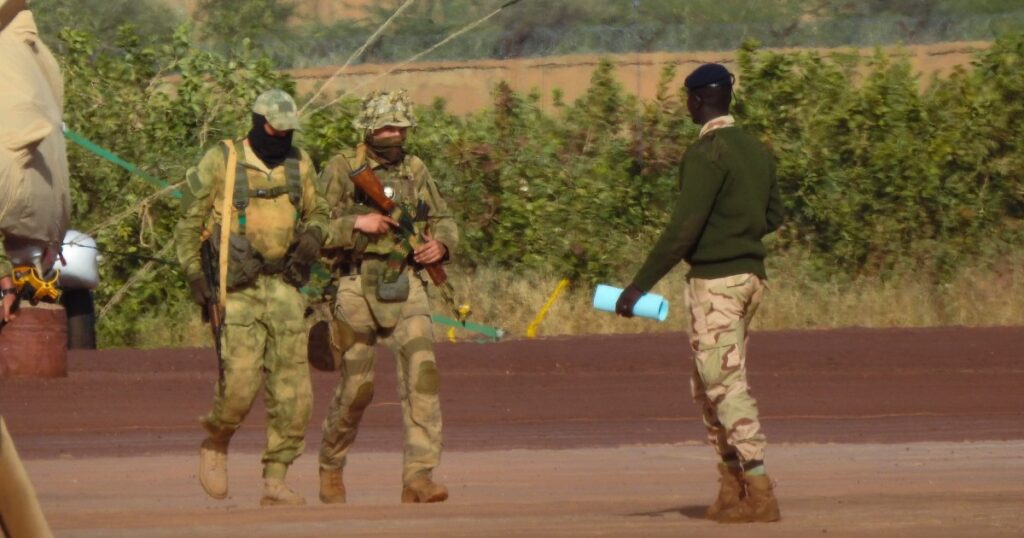
Security experts are now scrutinizing the value of the military alliance between Bamako and Moscow. These doubts intensified following reports that Russian units retreated from Kidal. These fighters, operating under the Africa Corps—a Russian state-controlled entity—had previously been embedded with Malian troops in the northern regions.
Recently, the Africa Corps confirmed its departure from Kidal, though it maintained that the movement was a coordinated strategic shift agreed upon with the Malian leadership.
This development has led conflict monitors and local observers to question the reliability of Russian military aid for the Sahel. This concern extends to Burkina Faso and Niger, both of which are led by military administrations and have seen a sharp rise in extremist violence lately.
The Africa Corps was established by the Russian Defence Ministry to succeed the Wagner Group. Its presence in Mali grew significantly after Goita requested the departure of French military forces in 2022, which had previously maintained a force of several thousand soldiers in the area.
In response to regional pressures and internal security threats, Mali, Burkina Faso, and Niger formed the Alliance of Sahel States (AES) in 2023. This move followed their exit from the Economic Community of West African States (ECOWAS), a bloc that had been vocal in its opposition to the recent coups in these nations.
The following details outline the current status of Russian involvement and the pressing questions surrounding their mission:
The performance of Russian units during the recent offensives
The latest attacks were a collaborative effort between the Tuareg-led Azawad Liberation Front (FLA) and the al-Qaeda-aligned group Jama’at Nusrat al Islam wal Muslimin (JNIM). These forces targeted several vital military hubs, including Kidal, Gao, Sevare, and Kati.
Mali has struggled with persistent armed conflict since 2012. Approximately 2,000 Russian personnel have been active in the country since 2021, filling the vacuum left by the withdrawal of United Nations and French peacekeepers.
While these forces initially operated under the Wagner banner, they were reorganized into the Africa Corps under the direct supervision of the Russian Ministry of Defence following the death of Yevgeny Prigozhin in 2023. Analysts suggest this transition changed their operational style; while Wagner was known for high-risk aggression, the Africa Corps appears to prioritize defensive postures.
Reports indicate that during the height of the recent attacks, Russian personnel were seen exiting Kidal in convoys, allegedly following exit negotiations facilitated by Algeria. This left some Malian units vulnerable, resulting in the capture of an undisclosed number of soldiers by rebel forces.
Official statements from Moscow
Through official channels, the Africa Corps asserted that the withdrawal from Kidal was a mutual decision. They stated that the evacuation of injured personnel and heavy weaponry was prioritized, while remaining staff continue their missions in what they describe as a “difficult” environment.
The Russian Defence Ministry also claimed that their air support was instrumental in protecting the presidential residence in Bamako. Furthermore, they alleged that the thousands of insurgents involved in the attacks had received training from European and Ukrainian sources, though no evidence was provided for this claim.
While the Malian government has stayed silent regarding the specifics of the withdrawal, some reports suggest that local officials had warned the Russian units of the impending attack days in advance, yet no preventative action was taken.
The future of Russia’s reputation in the Sahel
Russia has positioned itself as a liberating alternative to former colonial powers in Africa. By deploying the Africa Corps and Wagner before it, Moscow has sought to gain influence within various African administrations, including those in the Central African Republic, Libya, and Sudan.
In neighboring Niger and Burkina Faso, Russian presence is smaller, focusing largely on advisory roles. However, the loss of Kidal and the death of a key ally like Sadio Camara have severely tarnished the image of Russian military prowess in the region.
Assimi Goita has attempted to project strength, appearing in a recent broadcast to assure the public that security operations are being intensified. Despite this, the Africa Corps faces a significant credibility crisis. Experts suggest that their failure to hold a symbolic location like Kidal, while leaving behind substantial military equipment, indicates they may have been overwhelmed or lacked commitment to the fight.
As insurgent groups continue to threaten Bamako, the effectiveness of the Russia-Mali partnership remains under a cloud of doubt. The recent setbacks may make other African nations hesitant to seek similar security arrangements with Moscow in the future.