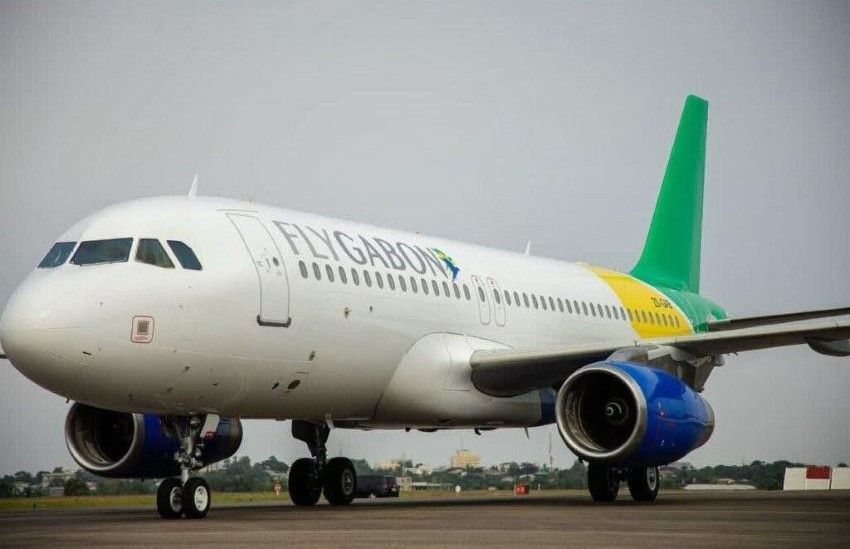
FlyGabon expands to Europe with bold new routes
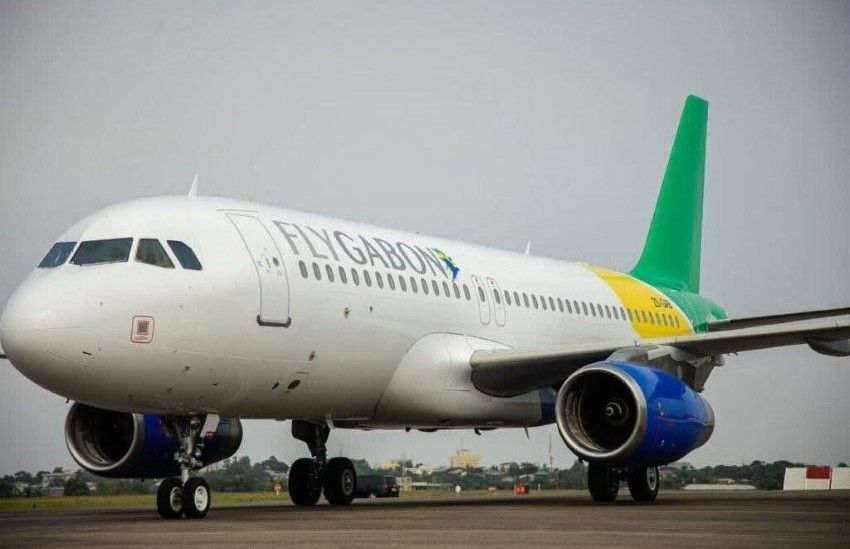
Libreville, June 19, 2026 – Once confined to domestic and regional routes, Gabon’s aviation sector is poised for a historic leap. FlyGabon is preparing to launch direct flights to Paris and London, signaling more than just route expansion—it’s a strategic pivot to reposition Gabon in global mobility, trade, and investment networks.
The move comes at a time when air connectivity is increasingly seen as both an economic power indicator and a tool for national sovereignty. FlyGabon’s initiative goes beyond passenger transport; it’s a calculated step to reduce reliance on foreign carriers while boosting Libreville’s global appeal.
FlyGabon’s European gamble
Under the control of the Gabonese state via Fly Air Gabon Holding, the airline is integrating new Boeing aircraft to fuel its growth. The models under consideration include the Boeing 737 Next Generation and Boeing 737 MAX, both industry leaders in medium-haul travel.
The Boeing 737 MAX stands out for its range of up to 6,500 kilometers, making direct flights between Libreville and major Western European hubs viable. The Paris route covers roughly 5,450 kilometers, while London is about 5,750 kilometers away—distances now within reach without layovers.
Until now, most Gabon-Europe travel relied on foreign airlines or regional connections. Direct flights would transform Libreville into a key gateway, connecting Gabon to Europe’s economic powerhouses.
The commercial stakes are high. Gabon’s trade with Europe—spanning oil, manganese, processed timber, and private investments—relies heavily on smooth logistics. Enhanced air connectivity could streamline these exchanges, making Libreville a competitive logistics hub.
A global strategy tailored to African realities
FlyGabon’s approach mirrors global aviation trends, prioritizing operational leasing over outright aircraft purchases. This model, adopted by two-thirds of airlines worldwide, offers financial flexibility by reducing upfront costs and preserving cash flow.
For African carriers, leasing is especially advantageous. Delivery delays from major manufacturers like Boeing or Airbus can stretch beyond four or five years. Renting aircraft allows airlines to adapt quickly to market demands without waiting for lengthy production cycles.
This strategy reflects economic maturity. Instead of locking capital into immediate purchases, FlyGabon is opting for a measured expansion that aligns with profitability and sustainable growth.
Libreville’s ambition to become a regional gateway
Beyond technical considerations, the initiative reflects a broader national vision: transforming Libreville into a strategic bridge between Central Africa and Europe. This goal ties into Gabon’s broader infrastructure modernization, where ports, logistics, aviation, and economic corridors are being reimagined as interconnected pillars of diversification.
In this ecosystem, FlyGabon plays a pivotal role. A strong national airline isn’t just a sovereignty symbol—it’s a competitiveness tool. It can support investments, boost tourism, facilitate business travel, and accelerate regional integration.
The challenge is substantial. European routes are among the most competitive globally, demanding top-tier safety, punctuality, service quality, and profitability. Yet FlyGabon’s trajectory signals a clear intent: moving beyond a purely domestic role to become a sustainable continental player connecting Gabon to major international economic centers.
The announcement of Paris and London flights marks more than a commercial milestone. It signals the emergence of a new national connectivity strategy, where aviation becomes a driver of economic development, global influence, and sovereignty. For FlyGabon, the real takeoff may now be over the Atlantic.
Related posts

Benin’s economic freedom surge: how reforms catapulted it into the global top 100
Benin has achieved a historic milestone by climbing to the 99th spot in the 2026 Global...
Mali’s military in crisis: public backlash and the road ahead after arms trafficking and desertions
The official narrative from Mali’s transitional authorities paints a picture of growing strength within the Malian...
Niger’s diplomatic shift: public debate and future outlook after eu tensions
The recent accreditation of Nigerien diplomat Adamou Moumouni to the European Union has sparked intense debate:...