As debates intensify over financial resource management and economic sovereignty, this analysis provides essential insight into the decisions that lie ahead.
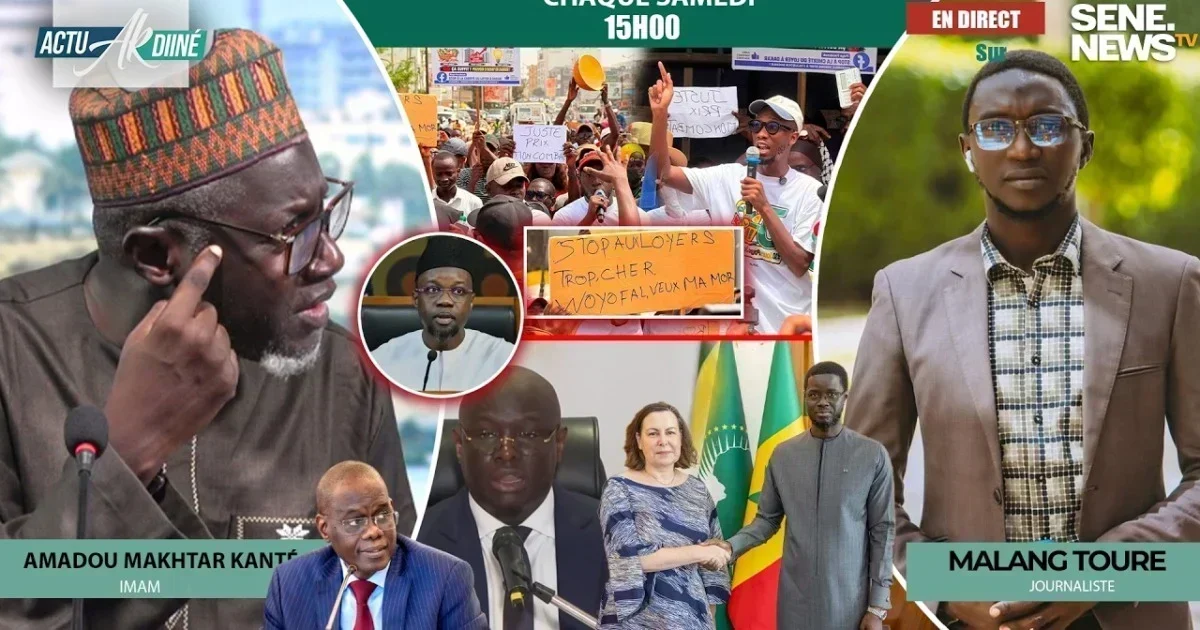
The recent approval of an International Monetary Fund (IMF) loan has sparked widespread discussion, particularly regarding the ambitious initiatives championed by Ousmane Sonko. This funding, while offering immediate fiscal relief, raises important questions about the long-term economic strategy and the balance between external support and national autonomy.
Sonko’s proposals, which have been central to political discourse, aim to reshape Senegal’s economic landscape. However, the terms and conditions attached to the IMF loan could influence the pace and direction of these reforms. Analysts are closely examining how the government plans to align its developmental goals with the requirements of international financial institutions.
The debate also touches on broader issues of sovereignty, as policymakers weigh the benefits of foreign capital against the need to maintain control over key economic decisions. The outcome of this balancing act will likely define the country’s fiscal trajectory in the coming years.
This discussion comes at a time when public attention is focused on transparency and accountability in the use of public funds. The government’s ability to manage these resources effectively will be a critical test of its commitment to economic independence and sustainable growth.
As the situation evolves, stakeholders are calling for a thorough evaluation of the loan’s impact, ensuring that it serves the nation’s interests without compromising its long-term vision.