Gabon and Ghana forge stronger economic ties through strategic partnership
Libreville, July 29, 2026 — By prioritizing Accra for one of his first major diplomatic engagements post-election, Gabonese President Brice Clotaire Oligui Nguema sends a clear signal of shifting alliances in African diplomacy.
The visit underscores a broader trend: African nations are increasingly turning to continental partnerships to drive economic growth, investment, and industrialization. Beyond traditional bilateral relations, Libreville’s diplomatic push reflects a strategic pivot toward leveraging African solidarity as a catalyst for national development.
President Oligui Nguema’s official reception at Ghana’s Presidential Palace by his counterpart, John Dramani Mahama, set the stage for discussions centered on mutual economic synergy. Ghana has emerged as West Africa’s most diversified economy, while Gabon seeks to accelerate local processing of its natural wealth and enhance its economic appeal. Together, the two nations present a compelling case for intra-African cooperation.
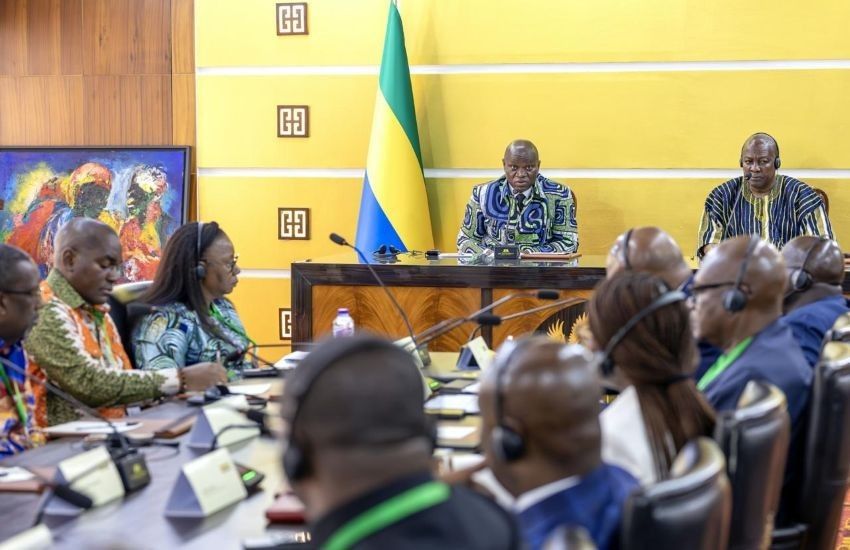
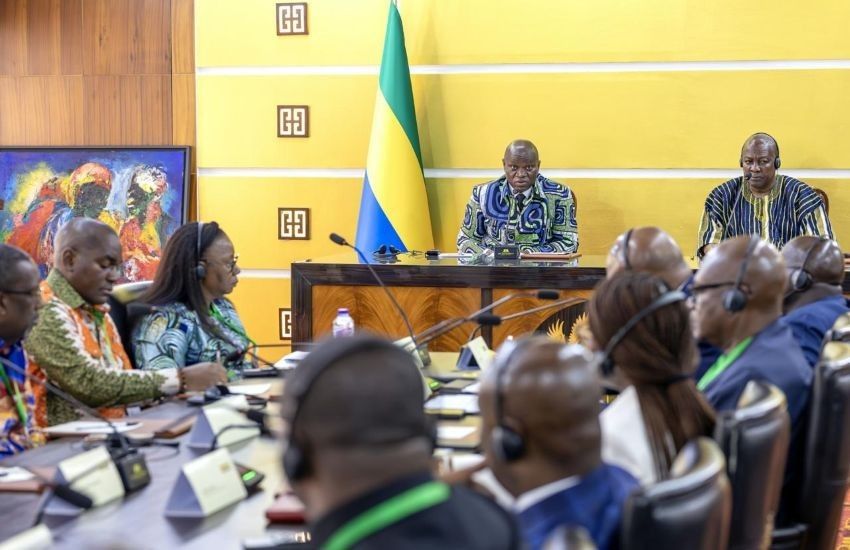
While ceremonial formalities marked the opening exchanges, substantive one-on-one talks between the heads of state laid the groundwork for a durable partnership. A joint working session followed, uniting delegations from both countries to identify priority sectors for collaborative development.
Economic cooperation with tangible outcomes
The partnership framework focuses on sectors critical to both economies. Priority areas include mining, agriculture, fisheries, forestry, digital innovation, education, and local raw material processing. This alignment aligns with President Oligui Nguema’s economic agenda, which emphasizes diversification, skill transfer, and industrialization.
The shift is clear: cooperation is no longer confined to symbolic agreements but is now geared toward fostering cross-border investments, building African value chains, and generating jobs on the continent. Diplomacy, in this context, evolves from a political tool into a driver of national prosperity.
Two landmark agreements were finalized during the visit. The first establishes a reciprocal training program for diplomats to strengthen institutional capacities in both nations. The second creates a permanent political consultation mechanism to harmonize Gabon and Ghana’s positions in regional and global forums.
The rise of intra-African economic diplomacy
This diplomatic engagement signals a deeper transformation in Africa’s international relations. Historically, African states have leaned heavily on external partners; today, they are prioritizing collaboration among themselves. The Libreville-Accra rapprochement exemplifies this new approach, rooted in shared interests rather than aid dependency.
Such collaboration could help boost intra-African trade, which remains disproportionately low compared to other global regions. The symbolic tree-planting ceremony at the end of the visit reinforced this message. For two nations committed to natural resource stewardship, the act underscored that African cooperation can also advance environmental protection, climate resilience, and green economic growth.
From promises to action
The true test of this partnership will lie in execution. The signed accords must translate into concrete projects, investments, academic exchanges, industrial collaborations, and business opportunities. Yet beyond the Gabon-Ghana alliance, this visit reflects a broader shift in African diplomacy.
In an era of global economic uncertainty, more African nations are seeking growth through regional integration, leveraging shared strengths and local markets. For Gabon, this marks a significant strategic shift. International engagement is no longer solely about traditional partners but about building African alliances that support industrialization, innovation, and value creation on the continent.
If this momentum continues, the Accra visit could be remembered as a turning point—a moment when African states moved from dialogue to joint action, choosing to shape their own destinies together.