Gabon asserts full control over its marine fishing resources
Libreville, Wednesday, June 17, 2026 – With the sustainable fishing partnership agreement between Gabon and the European Union nearing its expiration, Libreville has enacted a significant political and economic decision.
Gabonese authorities are initiating a fresh chapter in the stewardship of their marine resources. They have opted against renewing an arrangement deemed “profoundly imbalanced” with the European Union. This move underscores a broader national ambition, extending beyond the fishing sector, to regain mastery over the economic value generated by Gabon’s natural wealth. It also positions the nation within the broader continental movement towards economic sovereignty and greater transparency in resource exploitation, a key aspect of African politics today.
This announcement emerges amidst a distinct regional climate. Across Africa, discussions surrounding the governance of aquatic resources are intensifying. Recent continental gatherings in Mombasa, focused on the blue economy and sustainable ocean management, saw various African states advocate for enhanced transparency, traceability, and localized benefits from agreements with major fishing nations. Gabon now appears to translate this collective vision into concrete action.
The end of a contentious model
For several years, fishing agreements between certain African countries and the European Union have sparked considerable debate. While officially designed to foster sustainable marine exploitation, they are frequently criticized for disproportionately benefiting foreign fleets over local economies.
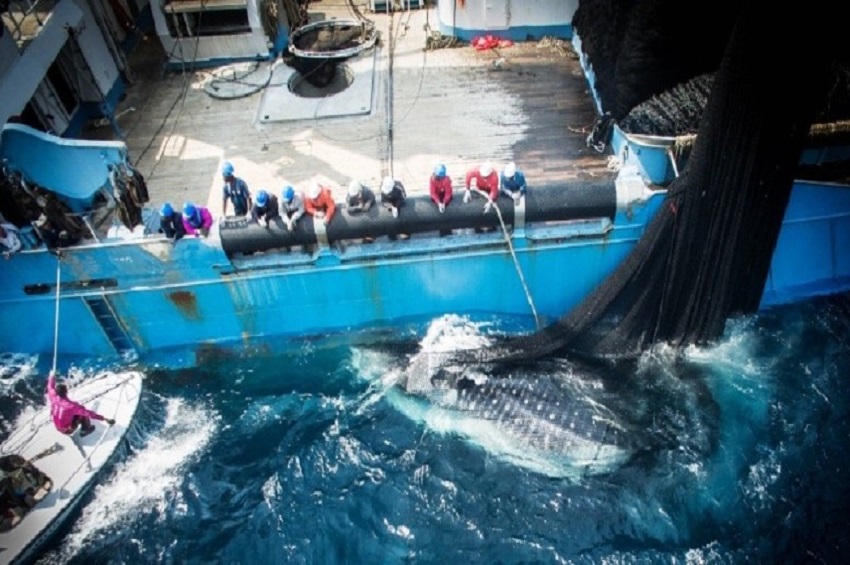
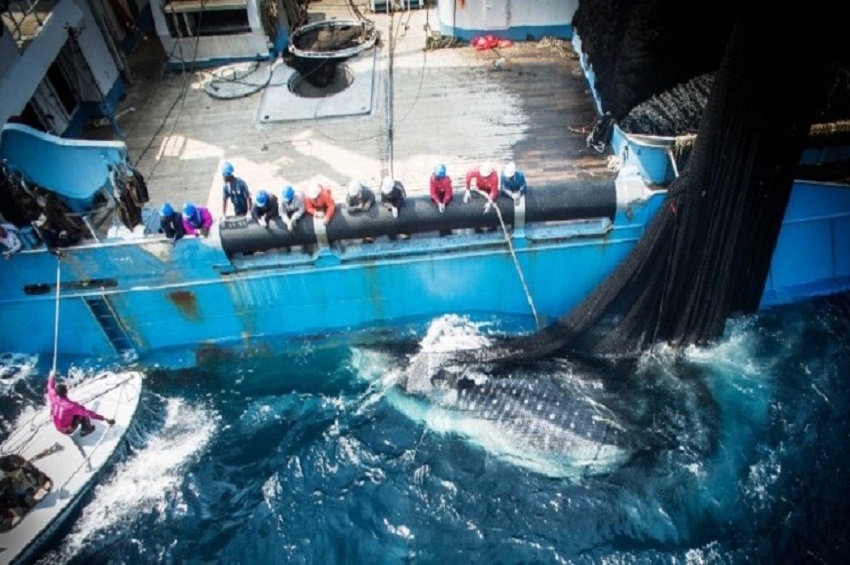
This critical assessment is precisely what underpins Gabon’s current stance. Authorities in Libreville contend that the financial remuneration offered by Brussels fails to reflect the true value of catches harvested from Gabonese waters. The annual sum, approximately 2.6 million euros, is considered modest when compared to the tens of thousands of tons of tuna extracted from one of the richest maritime zones in the Gulf of Guinea.
Beyond the financial aspect, Libreville highlights another critical disparity. The expenses incurred for monitoring and securing its Exclusive Economic Zone (EEZ) significantly surpass the compensation received. Essentially, Gabon has been subsidizing the oversight of an activity from which the primary profits are generated elsewhere.
The industrial implications are even more stark. Fish caught in Gabonese waters is typically landed, processed, and commercialized outside the national territory. This model effectively excludes the country from the value chains derived from its own vital resource.
The pursuit of added value
The core objective of this agreement’s termination lies in fostering local transformation. For several years, Gabonese authorities have been striving to move away from the raw export model that still characterizes many strategic sectors of the national economy.
Following similar initiatives in timber, minerals, and hydrocarbons, the fishing industry now becomes a new arena for this economic doctrine. The declared aim is to cultivate a robust national tuna sector capable of generating employment, attracting industrial investments, and boosting public revenues. This is a crucial step for the African economy today.
This strategic direction aligns with recommendations from numerous African institutions. According to the African Development Bank (BAD) and various organizations specializing in the blue economy, the continent loses billions of dollars annually due to the absence of local processing for its marine resources.
For Gabon, fishing represents a largely untapped potential. With over 800 kilometers of coastline and one of the region’s most extensive maritime zones, the nation possesses substantial advantages for developing a competitive fisheries industry.
Transparency, sovereignty, and sustainability
Gabon’s decision is not solely based on economic considerations. It also embodies a commitment to enhancing the transparency and sustainability of marine resource exploitation.
Authorities specifically point to the risks of overexploitation stemming from insufficient control mechanisms. This concern echoes the growing anxieties voiced by environmental organizations regarding the status of tuna stocks in various African fishing grounds.
By declining the automatic renewal of the agreement, which concludes on June 28, 2026, Libreville intends to establish new operational parameters. Future partnerships will be required to incorporate more stringent demands concerning ecosystem preservation, catch traceability, and the creation of local value.
This position signifies a notable shift in the power dynamics between resource-rich African states and their long-standing international partners. Once largely viewed as mere suppliers of raw materials, several countries across the continent are now asserting a more active role in determining the terms for exploiting their wealth. This reflects a growing trend in pan-African news and African politics.
Gabon’s decision could therefore set a precedent far beyond its borders, sending a clear message to international investors and partners. Access to Africa’s natural resources can no longer be detached from the imperatives of sovereignty, transparency, and local development.
As Africa strives to build a more self-reliant economy, better integrated with its strategic interests, Libreville’s choice exemplifies a fundamental trend: a continent that not only seeks to export its resources but also to command their ultimate destiny.