Established by the transitional authorities as a cornerstone of national rejuvenation and reclaimed sovereignty, the « Faso Mêbo » agency, initiated under the leadership of Captain Ibrahim Traoré, is now facing intense public inquiry. While the official narrative extols patriotism, collective endeavor, and tangible developments across numerous urban centers, a growing number of observers are highlighting concerns regarding opaque resource management and the allocation of public and citizen contributions.
Despite governmental pronouncements emphasizing transparency and stringent oversight in project execution, various economic analysts and informed sources indicate significant financial irregularities, allegedly benefiting individuals closely associated with the ruling power.
The strategy of conspicuous display
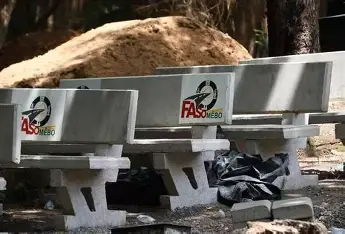
Faso Mêbo’s achievements are undeniably prominent. Road paving, canal rehabilitation, and urban enhancements present an image of rapid environmental transformation in cities such as Ouagadougou, Bobo-Dioulasso, and Koudougou. By galvanizing the nation’s youth, student population, and diaspora, the authorities have cultivated a powerful narrative centered on popular participation in advancing national sovereignty.
Nevertheless, some experts suggest that this pronounced visibility might also serve to divert attention from more fundamental issues.
One Burkinabè economist, speaking anonymously, noted, « Labor-intensive projects typically incur relatively modest costs when compared to the substantial sums declared within the framework of the national effort. The emphasis on highly visible infrastructure occasionally overshadows a crucial question: the actual destination of the mobilized funds. »
Allegations concerning resource administration
The primary criticisms revolve around control mechanisms. Although the agency asserts the traceability of its operations, several observers lament the absence of independent bodies empowered to verify the utilization of funds derived from the state budget and public contributions.
Internal documents and alerts conveyed by certain sources detail potential irregularities: contracts reportedly awarded without competitive bidding, material costs deemed excessive, and budget lines lacking clarity. These practices, according to the same sources, are said to benefit a restricted cadre of civilian and military officials.
A climate stifling dissent
A recurring question pertains to the silence from oversight institutions and a segment of the local media. Many observers attribute this to the prevailing political climate, characterized by considerable pressure exerted upon critical voices.
Journalists, activists, and even magistrates who have voiced reservations about certain government decisions have previously reported intimidation or orders for requisition to combat zones. Furthermore, human rights organizations have documented instances of disappearances and infringements upon liberties, fostering an atmosphere of apprehension that curtails investigative initiatives.
Balancing patriotism with accountability
For some analysts, Faso Mêbo exemplifies what they term « infrastructural populism »: tangible, visible accomplishments that bolster popular allegiance, yet simultaneously provoke questions regarding governance and transparency.
The civic engagement in community projects garners widespread commendation. However, numerous voices contend that this patriotic surge must not compromise the imperative for accountability. They argue that enhancing living conditions cannot supersede the demands for transparency and diligent management of public finances.