Gabon streamlines public revenue collection through integrated tax and customs system
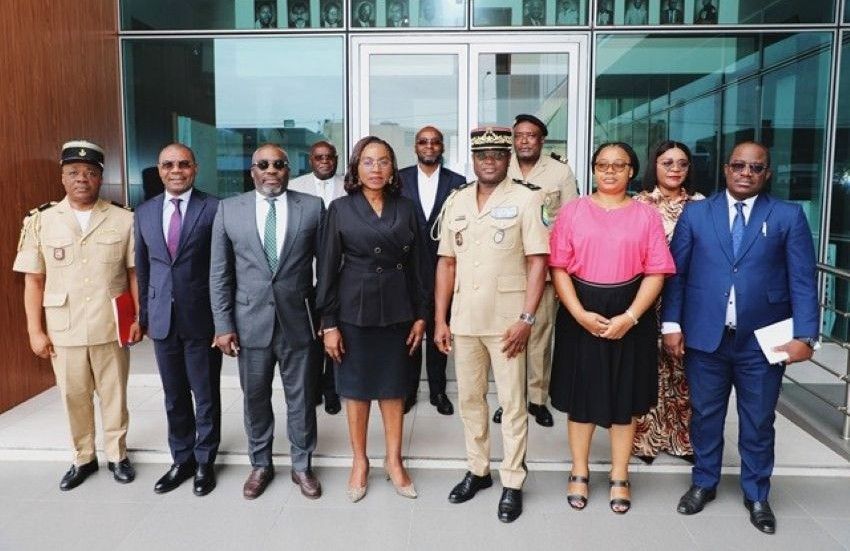
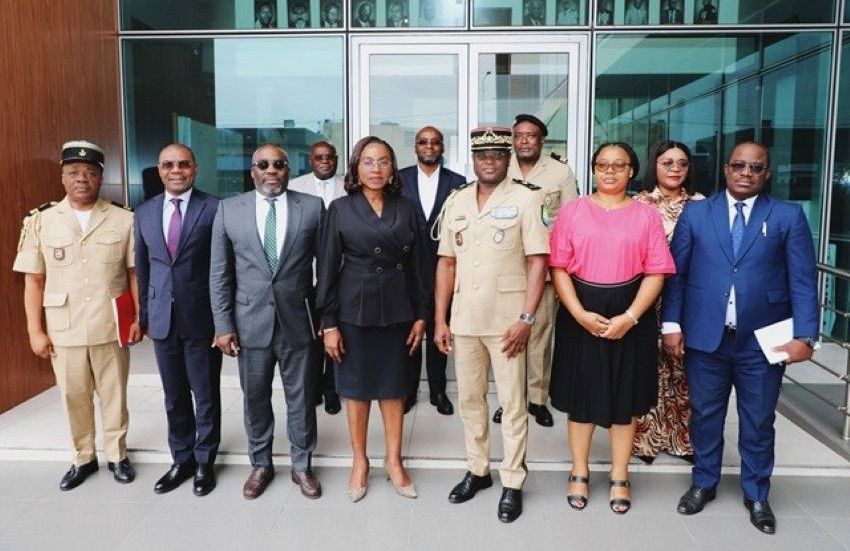
Libreville — On July 14, Gabon took a decisive step toward strengthening its public finances by unifying its tax and customs administration strategies. This bold initiative brings together the General Directorate of Customs and Indirect Taxes, led by Brigadier General Hugues Modeste Odjangou, and the General Directorate of Taxes, headed by Édith Laure Oyaya épouse Mbiguidi, in a coordinated effort to modernize revenue collection.
The move reflects a fundamental shift in how Gabon manages its financial resources, prioritizing integrated governance over fragmented administrative approaches. By fostering collaboration between these two critical institutions, the government aims to enhance fiscal efficiency, combat fraud, and secure the resources needed for national development.
Strengthening public revenue through coordinated action
Modern economies no longer treat tax and customs administrations as isolated entities. The sharing of data, cross-referencing of financial information, and joint enforcement operations have become essential tools for maximizing revenue while minimizing fraudulent activities. Gabon is now adopting this proven model.
During the landmark meeting, key priorities were identified, including the exchange of fiscal and customs intelligence, synchronized field audits, shared operational capabilities, and unified strategies against tax evasion, customs violations, and illicit trafficking. This approach aligns with the vision of President Brice Clotaire Oligui Nguema, who has consistently advocated for a more agile, results-driven administration.
Institutional framework reinforces collaboration
This strategic alignment is not merely a political aspiration—it is now enshrined in law. The recent establishment of the Joint Tax-Customs Commission, formalized by Decree No. 073/MEFDPLVC of April 10, 2026, provides the legal foundation for enhanced cooperation. The commission facilitates joint inspections under CEMAC customs regulations and ensures seamless information sharing between the two agencies.
Gabon’s reforms mirror successful models in other African nations, including Rwanda, Morocco, and Côte d’Ivoire, where integrated tax and customs systems have significantly improved budgetary performance while curbing tax evasion and informal economic activities.
The next phase will focus on operationalizing the Joint Commission, which will oversee implementation, monitor progress, and coordinate future joint initiatives.
A broader impact on national development
This initiative transcends administrative reorganization—it represents a paradigm shift in Gabon’s public sector. Historically, the Customs and Tax authorities operated with distinct mandates, yet together they generate the vast majority of state revenue. Their closer alignment will amplify the country’s fiscal space without imposing additional burdens on compliant taxpayers.
The primary beneficiaries of this reform will be the Gabonese people, as increased revenue streams enable sustained investment in infrastructure, public services, and economic diversification. The move also signals to international partners and investors that Gabon is committed to transparent, efficient governance.
Ultimately, this alliance between the General Directorate of Customs and the General Directorate of Taxes is not just an administrative merger—it is a cornerstone of Gabon’s broader strategy to build a more robust, transparent, and high-performing financial administration. By securing domestic revenue, the government can fund its national priorities without over-reliance on external financing, reinforcing economic sovereignty and long-term stability.
Related posts
Benin’s economic freedom surge: how reforms catapulted it into the global top 100
Benin has achieved a historic milestone by climbing to the 99th spot in the 2026 Global...
Mali’s military in crisis: public backlash and the road ahead after arms trafficking and desertions
The official narrative from Mali’s transitional authorities paints a picture of growing strength within the Malian...
Niger’s diplomatic shift: public debate and future outlook after eu tensions
The recent accreditation of Nigerien diplomat Adamou Moumouni to the European Union has sparked intense debate:...