From 29 June to 1 July 2026, Gabon will host a high-level international assessment team as part of the second review cycle of the United Nations Convention against Corruption. The visiting experts—drawn from UNODC, Chad and Libya—will scrutinise the country’s progress in preventing graft and recovering illicit assets.
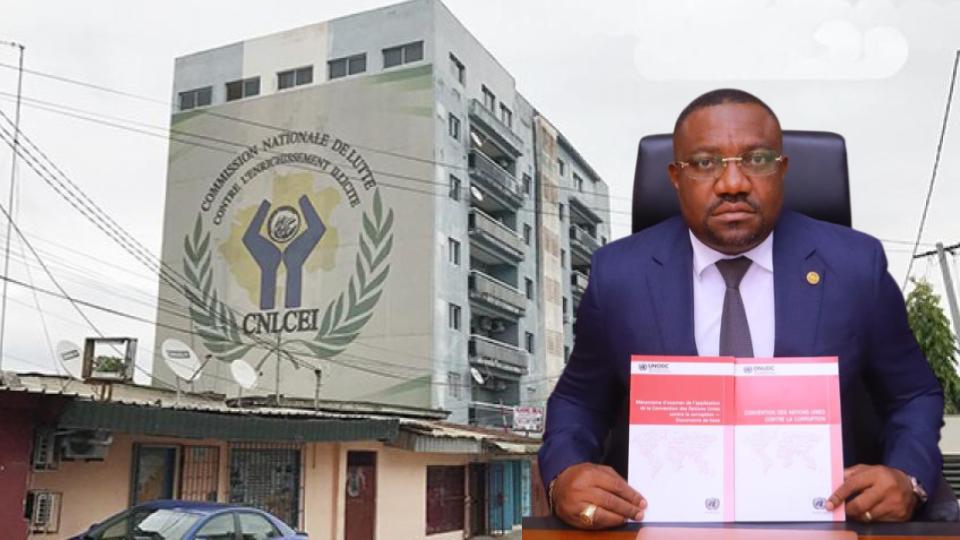
The upcoming country visit phase marks a decisive milestone in Gabon’s long-standing anti-corruption drive. After years of institutional reforms and tighter public-sector oversight, the National Commission to Fight Corruption and Illicit Enrichment (CNLCEI) has confirmed that Libreville will serve as the host city for this pivotal evaluation.
The international panel will evaluate how effectively Gabon has implemented key convention provisions, with particular focus on transparency in public procurement, asset declarations, civil-society participation, anti-money-laundering safeguards, and the seizure-restitution of embezzled funds.
International scrutiny with far-reaching stakes
Gabon ratified the UN Convention against Corruption on 1 October 2007 and has since taken part in the treaty’s peer-review mechanism. While the first review cycle centred on criminalisation and international cooperation, the second cycle zeroes in on prevention and the recovery of stolen wealth—two areas under intense public scrutiny.
At the Boulevard Hotel in Libreville, examiners will dissect the national framework governing public-sector transparency, procurement rules, wealth declarations, civil-society engagement, anti-money-laundering protocols, and the institutional machinery for freezing and returning illicit assets.
Cross-sector mobilisation for transparency
Every arm of government will be engaged: ministries, parliament, the Audit Court, the General Inspectorate, the Financial Intelligence Unit, customs, the Public Procurement Regulatory Authority, the judiciary, security forces, business associations and civil-society representatives will all contribute to the working sessions.
The CNLCEI, through its UNODC focal point Séraphin Ondoumba, is spearheading the national coordination effort. According to the Commission, the mission offers a chance both to showcase advances made and to pinpoint the remaining gaps that need closing to further entrench governance and transparency.
Measuring up to the Fifth Republic’s governance standards
Beyond its technical dimensions, the evaluation arrives at a moment when citizens, donors and investors alike demand ever greater accountability, fiscal transparency and crackdowns on illicit enrichment. The findings will shape the roadmap for future institutional and administrative reforms, while also positioning Gabon to tap into tailored technical support and peer-learning opportunities with fellow signatory states.
By welcoming this rigorous review, Libreville signals its commitment to deepening the culture of answerability, openness and prudent stewardship of public resources—cornerstones for restoring public trust, reinforcing international credibility and attracting sustainable investment.