Since March 2024, the political landscape in Senegal has undergone a seismic shift. The rise of the Pastef party—led by Bassirou Diomaye Faye and Ousmane Sonko—marked a decisive break from traditional governance. Yet what began as a unified front has now evolved into a high-stakes power struggle between the presidency and the parliamentary majority, reshaping the nation’s institutional balance.
Following the removal of Ousmane Sonko from the Prime Minister’s office and his subsequent election as President of the National Assembly, a new chapter has unfolded—one that tests the resilience of Senegal’s political system. This unprecedented dynamic pits a president with sweeping constitutional authority against a charismatic opposition leader backed by a dominant parliamentary bloc.
What does the Diomaye-Sonko showdown reveal about power dynamics in Senegal?
This is no ordinary political tension—it is a crisis of governance. For the first time since the early years of independence, Senegal faces a de facto cohabitation, where the executive and legislative branches are controlled by rival factions. The traditional model of centralized presidential authority, reinforced by a single-party majority, is now being challenged by a reality where institutional power is split between two strong personalities.
The current situation is still unfolding, and definitive conclusions remain premature. However, what is clear is that this crisis serves as a stress test for Senegal’s political institutions. Can the system adapt to a divided leadership? Will it favor a return to concentrated executive power, as seen since 1963, or embrace a more balanced distribution of authority? The answers will shape the country’s future stability—and moderation may well be the key to preserving it.
Is this a historical rivalry or a new political paradigm?
This is not a repeat of past conflicts. Since 1960, only one major institutional crisis threatened Senegal’s stability—when President Léopold Sédar Senghor and Prime Minister Mamadou Dia clashed in 1962. Today’s standoff is different. It stems from two distinct but equally powerful sources of legitimacy: the president’s constitutional mandate and the opposition leader’s unshakable popular support.
The president holds sweeping executive powers, from defining national policy to overseeing governance. Yet Ousmane Sonko, despite no longer serving as prime minister, commands a formidable political machine. His leadership of the Pastef party—unanimously endorsed by 589 delegates in June 2026—and the party’s overwhelming parliamentary majority (130 out of 165 seats) ensure he remains a force to reckon with. The upcoming 2027 local elections could either stabilize or further complicate this delicate balance.
How do Faye and Sonko wield their influence?
Political power in Senegal is as much about institutional leverage as it is about grassroots mobilization. Ousmane Sonko’s strength lies in his party’s disciplined structure and his ability to rally public opinion. The Pastef’s dominance in parliament grants him oversight powers, from scrutinizing government actions to initiating no-confidence motions. Meanwhile, Bassirou Diomaye Faye retains the symbolic and operational authority of the presidency, though his ability to govern hinges on parliamentary cooperation.
Both leaders face a delicate equation: how to consolidate their bases while avoiding the pitfalls of unchecked power. Sonko’s popularity rests on promises of accountability and justice for past political violence, while Faye must navigate expectations of reform without alienating his predecessor’s legacy.
What will determine the balance of power moving forward?
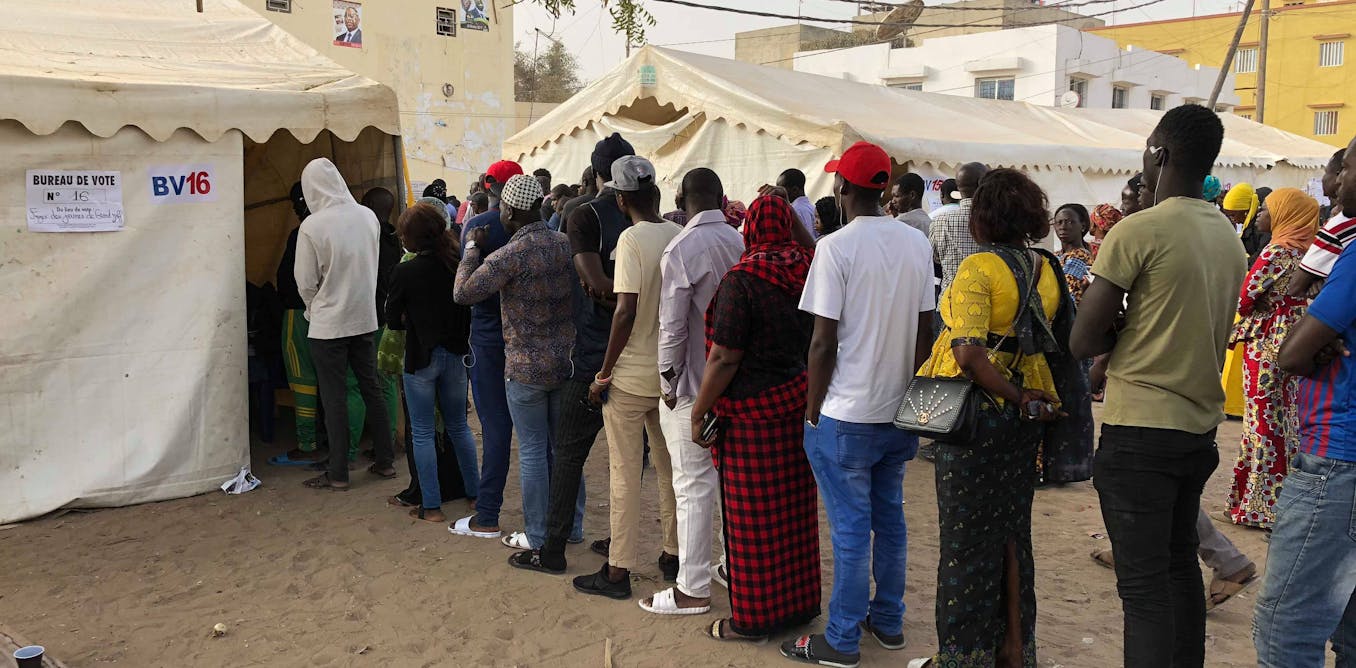
The trajectory of this crisis will be shaped by several critical factors. First and foremost are the 2027 local elections, which could either reinforce or undermine the current cohabitation. Transparency in the electoral process and a commitment to peaceful transitions will be essential to prevent unrest.
Public perceptions of governance will also play a decisive role. Senegalese citizens are demanding tangible improvements in public service delivery, ethical leadership, and justice for those lost in past protests. The ability of either leader to deliver—or to shift blame—will sway popular opinion and, by extension, the political balance.
Yet the system itself is not immune to strain. If elections are perceived as unfair or if either branch of government overreaches its authority, the risk of mass mobilizations—even instability—could rise. The challenge for Senegal is to prove that its democratic institutions are robust enough to withstand division without resorting to conflict.