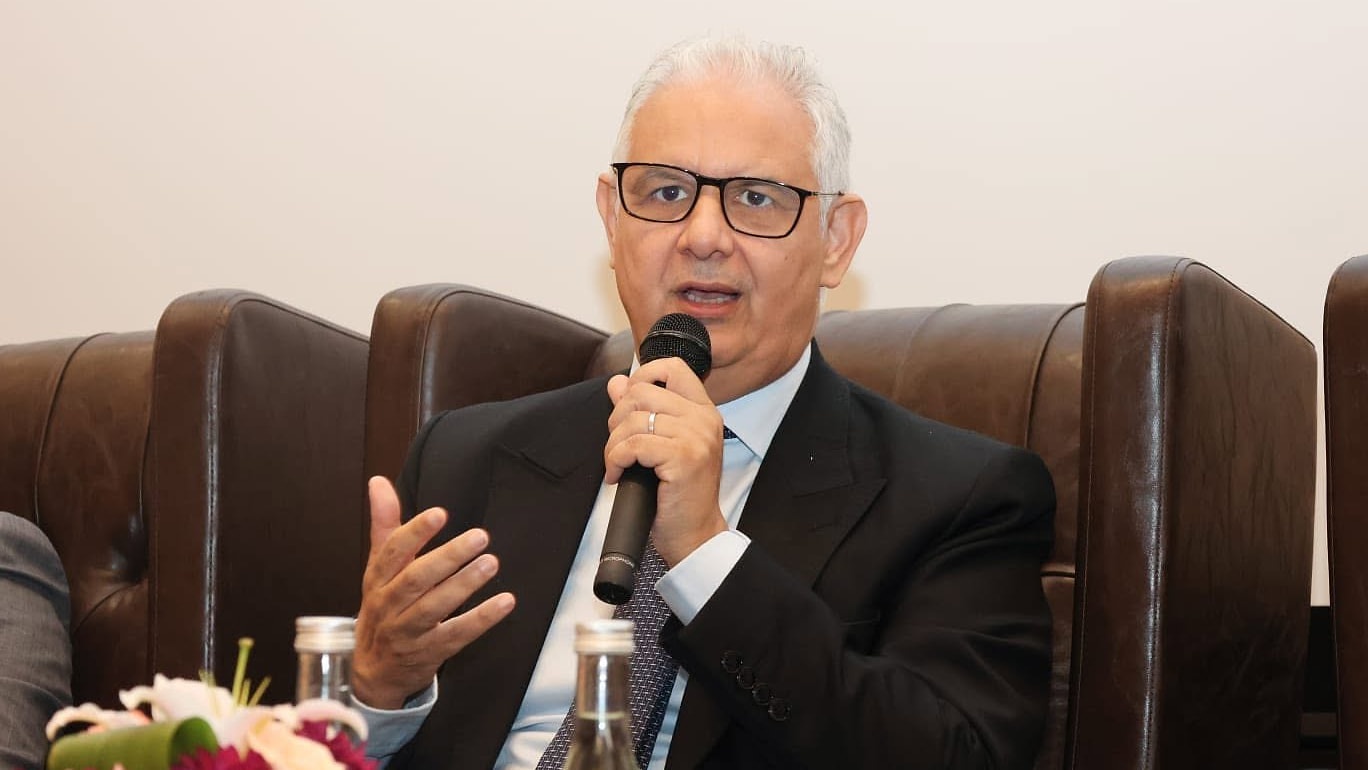
In a bold call to action, Nizar Baraka, Secretary-General of Morocco’s Istiqlal Party, urged centrist political forces to move beyond mere dialogue and embrace a proactive diplomatic stance to tackle escalating international tensions. Speaking at the International Democratic Centrist (IDC) meeting, Baraka emphasized the urgent need for centrist parties to become decisive actors in shaping global responses to pressing challenges.
Highlighting Morocco’s strategic priorities, Baraka underscored the Kingdom’s commitment to strengthening its diplomatic footprint across Africa and the Sahara. He stressed that the African continent must remain central to Morocco’s foreign policy, particularly in addressing regional stability and economic integration.
Empowering youth and women in Morocco’s diplomatic vision
Beyond geopolitical strategies, Baraka called for a more inclusive approach, advocating for greater participation of young Moroccans and women in diplomatic and decision-making processes. This initiative aligns with Morocco’s broader efforts to modernize its governance and amplify diverse voices in shaping national policies.
At a time when global uncertainties loom large, Baraka’s message resonated with centrist leaders gathered in Casablanca, where the IDC meeting served as a platform to redefine the role of centrist movements in a rapidly evolving world order.
Morocco’s diplomatic ambitions on the continental stage
The Secretary-General’s remarks come as Morocco continues to expand its diplomatic influence across Africa, positioning itself as a key player in continental affairs. By prioritizing action-oriented diplomacy, Baraka aims to reinforce Morocco’s reputation as a stable and proactive partner, capable of navigating complex international dynamics while advancing its national interests.
The call for a diplomacy of action reflects Morocco’s determination to break free from passive engagement, instead adopting a forward-looking approach that addresses both immediate crises and long-term challenges. As global tensions persist, Baraka’s vision offers a roadmap for centrist parties to assert their relevance in an increasingly multipolar world.