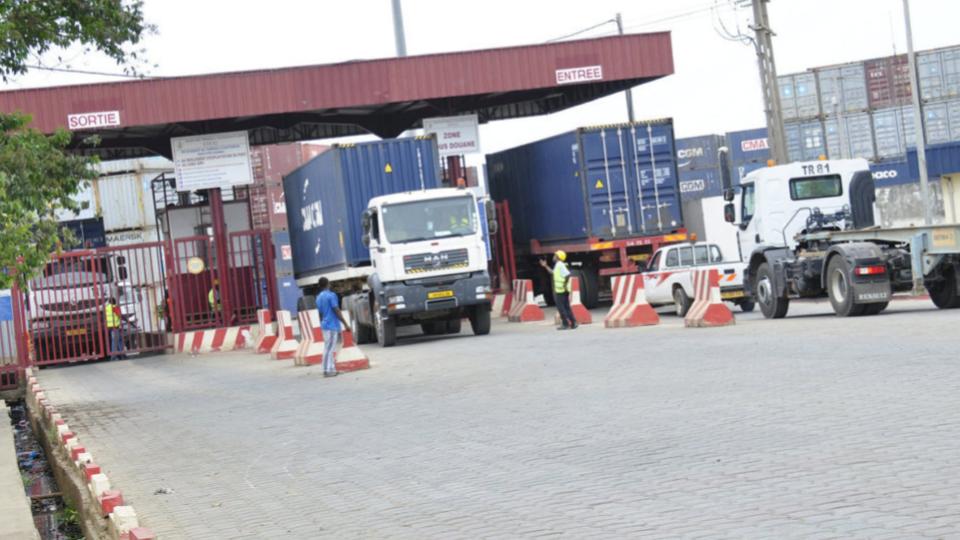
Gabon’s intra-African trade gap: only 8.9% of exports
The African Continental Free Trade Area (AfCFTA) promised a vast market of 1.4 billion consumers, yet Gabon’s exports to neighboring African nations remain disappointingly low at just 8.9% of its total trade volume. Recent economic reports highlight a stark reality: Libreville is yet to fully capitalize on the continent’s growing demand for diversified goods.
This imbalance is even more pronounced in reverse—28.3% of Gabon’s imports originate from Africa, making the continent its second-largest supplier after Europe. The data underscores a critical challenge: breaking free from over-reliance on hydrocarbon exports while strengthening regional trade ties.
AfCFTA as a lifeline for Gabon’s economic diversification
In mid-2026, President Brice Clotaire Oligui Nguema met with Wamkele Mene, Secretary-General of the AfCFTA, to accelerate Gabon’s integration into the continental trade bloc. The urgency stems from an economic imperative: reducing dependence on oil and gas, which have long dominated the nation’s revenue streams.
Gabon’s strategy hinges on unlocking sectors like agro-processing, mining, and services. With intra-African trade projected to hit $230 billion this year, Libreville aims to shift the current dynamics by positioning itself as a key supplier of processed, high-value goods across Central Africa.
Nkok Special Economic Zone: Gabon’s industrial gateway
One of Gabon’s strongest assets is the Nkok Special Economic Zone (SEZ), praised by AfCFTA leadership for its potential to become a regional manufacturing hub. The zone, strategically located in Central Africa, offers a platform to produce and export processed goods, leveraging the country’s digital economy growth and geographic advantages.
Regional trade barriers: the hurdles ahead
Despite the AfCFTA’s promise to boost intra-African trade to over 50% by 2035, progress in Central Africa is stifled by infrastructure gaps and exorbitant logistics costs. Poor road networks, limited rail connectivity, and bureaucratic bottlenecks continue to inflate trade expenses, undermining the bloc’s integration goals.
For Gabon, the path forward is clear: invest in modernizing trade corridors, deepen local value addition, and harness the AfCFTA’s framework to build economic resilience beyond oil.