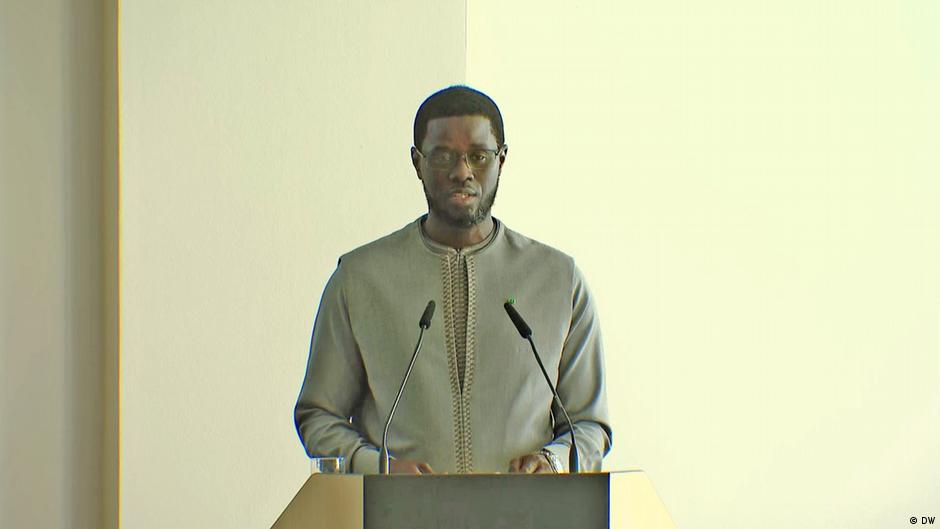
Senegal’s leader, Bassirou Diomaye Faye, is making a strategic pitch in Berlin this week to attract foreign investors and strengthen ties with Germany. His agenda includes high-level meetings with Chancellor Friedrich Merz and President Frank-Walter Steinmeier, following his participation in the German-Senegalese Economic Forum.
The visit underscores Dakar’s efforts to position Senegal as a prime destination for international business, with a focus on private sector collaboration. Faye’s diplomatic tour comes as his administration actively promotes the country’s economic potential and stability.
Senegal’s economic appeal: stability, resources and opportunities
Faye’s Berlin agenda centered on showcasing Senegal’s economic advantages. He emphasized improvements in the business climate, anti-corruption measures, and new legal frameworks—including an updated investment code and revised customs code designed to “eliminate bureaucratic delays.”
The president also highlighted Senegal’s “political stability” and “democratic traditions”, positioning the country as a gateway to regional markets. With access to over 300 million consumers in the ECOWAS zone and nearly 1 billion in the African Continental Free Trade Area, he underscored Senegal’s strategic location.
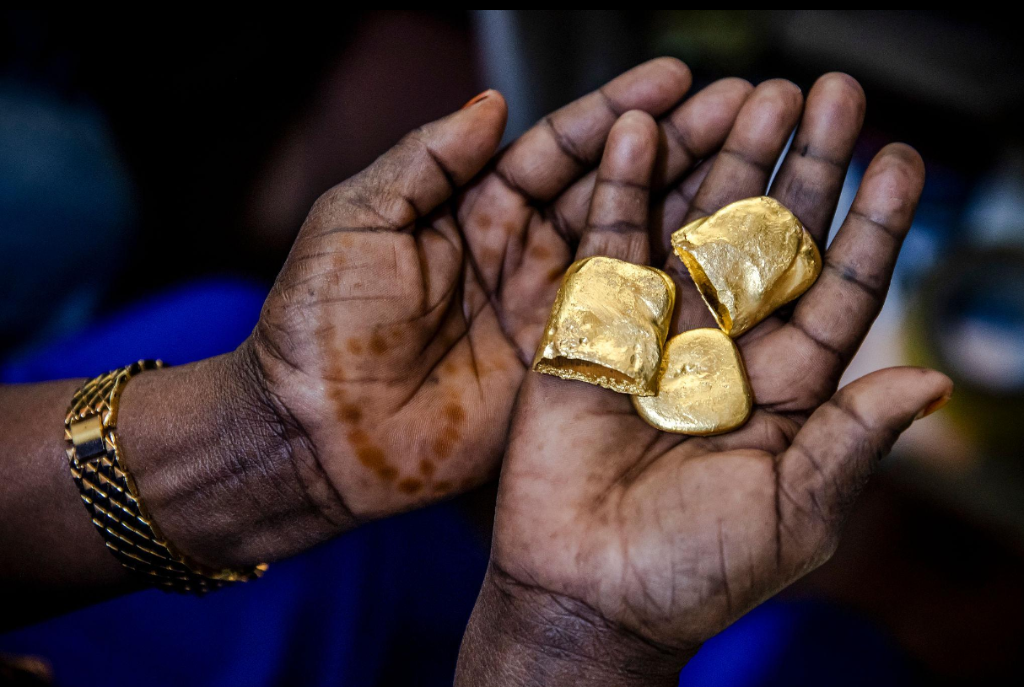
Natural resources took center stage in Faye’s presentation. Recent oil and gas discoveries are already under development, while Senegal boasts significant reserves of phosphate, iron, gold, zircon, and uranium. Complementing these assets is a young, dynamic workforce ready to meet investor demands.
Germany eyes Senegal’s workforce and energy sector
German interest in Senegal extends beyond investment—Berlin is also keen on tapping into the country’s skilled labor potential to address its own workforce shortages. Energy companies from Germany are particularly focused on opportunities in Senegal’s evolving energy sector.
The International Monetary Fund recently concluded an assessment mission in Dakar, acknowledging Senegal’s resilient economy—boosted last year by the hydrocarbons sector—despite a challenging global economic environment. The Fund noted that Senegalese authorities have “reaffirmed their interest in a new IMF-supported program,” though this initiative remains a point of contention between Faye and his former Prime Minister, Ousmane Sonko.