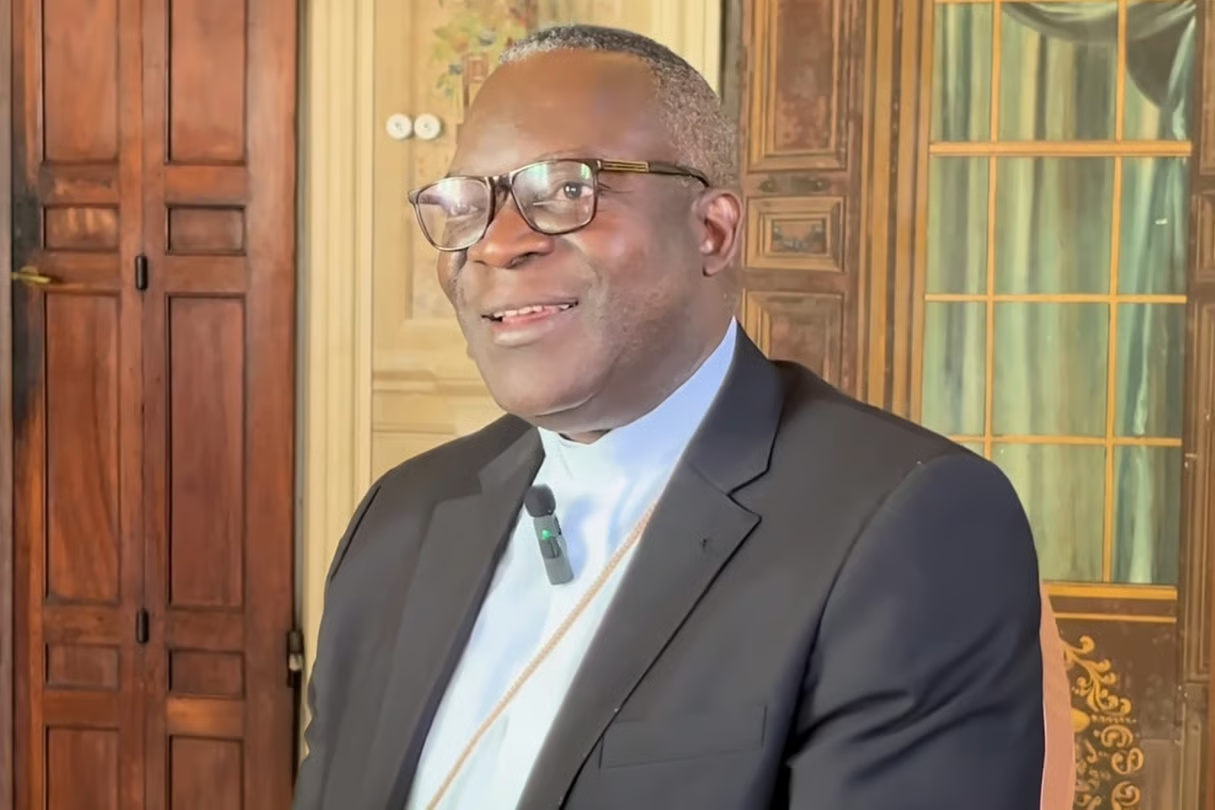
Church leaders voice strong opposition to upcoming referendum
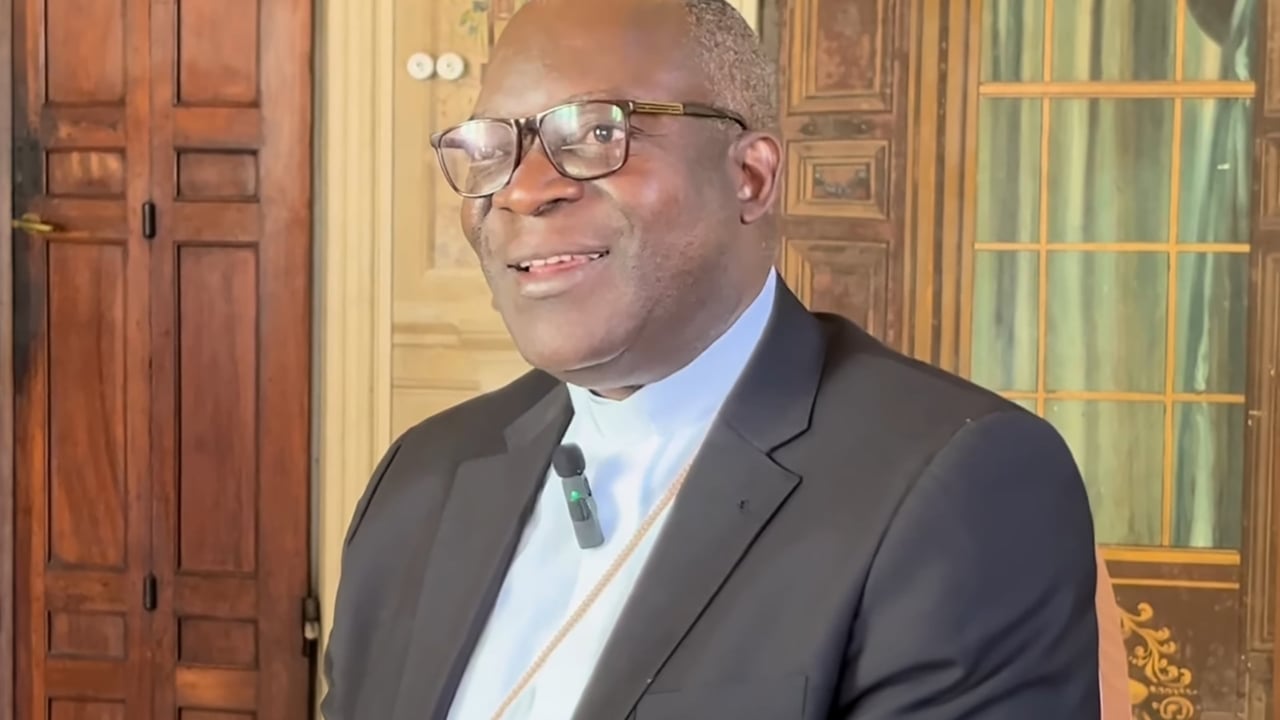
The National Episcopal Conference of Congo (Cenco) has publicly criticized the proposed constitutional referendum, describing it as untimely and ill-advised given the current security crisis gripping the nation. In a candid interview, Msgr. Fulgence Muteba, President of Cenco, emphasized that national priorities should focus on restoring peace rather than constitutional changes.
“At a time when our country is grappling with armed conflicts and humanitarian challenges, holding a referendum is not just inappropriate—it is irresponsible,” Muteba stated. The church leader argued that the referendum could further destabilize an already fragile situation, distracting from urgent efforts to mediate between warring factions and address the needs of displaced populations.
Broader implications for Congo’s future
The Cenco’s stance reflects deep concerns shared by civil society and international observers about the timing of the referendum. With armed groups escalating attacks in eastern Congo and political tensions rising, many fear that the referendum could exacerbate existing divisions rather than foster unity.
The proposed constitutional changes have sparked heated debates across the country. Critics argue that the timing is politically motivated, potentially serving the interests of certain factions rather than the broader public. Meanwhile, proponents contend that the reforms are necessary to modernize the country’s governance structures.
Cenco calls for national dialogue
In response to the mounting tensions, Cenco is urging President Félix Tshisekedi to prioritize inclusive national dialogue over the referendum. The church proposes that stakeholders from all sectors—political, religious, and community leaders—come together to find peaceful solutions to the crisis before considering any constitutional amendments.
“What Congo needs now is unity and collective action,” Muteba asserted. “A referendum conducted under these conditions would not reflect the true will of the people but could instead deepen existing fractures.”
The Cenco’s position underscores the critical role of faith-based organizations in shaping public discourse during times of crisis. As the country navigates one of its most challenging periods, the church’s call for restraint and dialogue resonates with many Congolese who are weary of prolonged instability.