After three years of strained relations, a joint expert committee has raised hopes of resolving the crisis between Bénin and Niger. The latest negotiations have yielded progress on security arrangements, transit protocols, and key economic and legal frameworks. However, Niger has set three non-negotiable conditions that could delay final political ratification.
What lies ahead for this prolonged dispute, which has taken a severe economic and humanitarian toll on both nations?
Three firm prerequisites for border reopening
Nigerian authorities have laid down three irrevocable conditions for a sustainable reopening of the Bénin–Niger border, closed since 2023.
- First, Niamey demands a formal defense and security agreement with Bénin, explicitly prohibiting mutual aggression and the use of either country as a base for destabilizing the other.
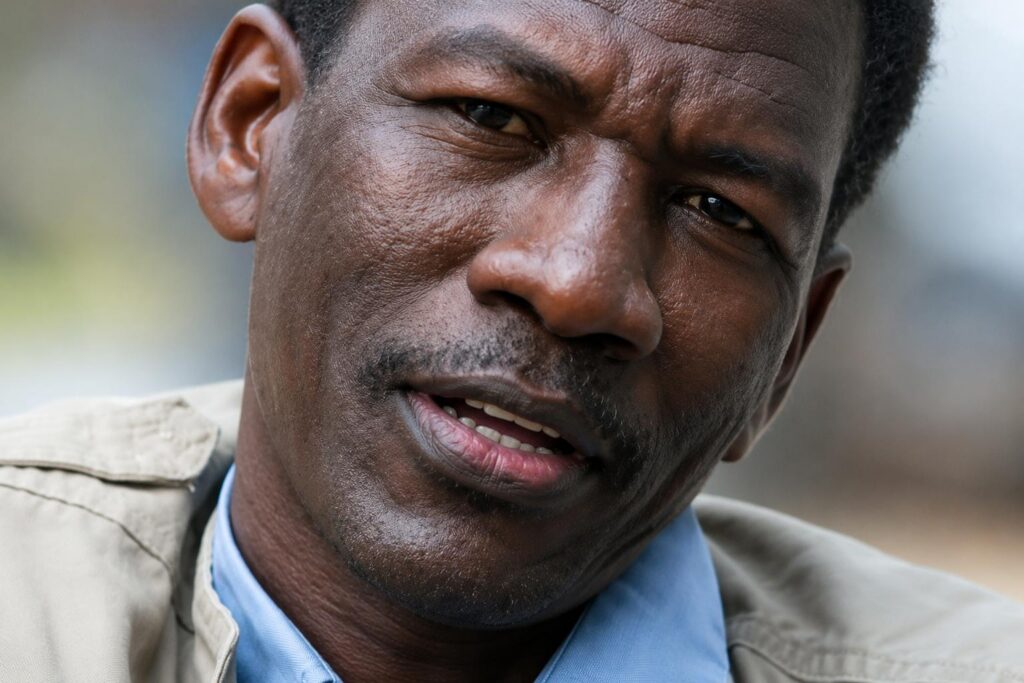
For analyst Régis Hounkpè, executive director of InterGlobe Conseils, this commitment is fundamental: « Naturally, Bénin will not attack Niger, just as Niger will not attack Bénin. It’s a basic principle, but given the three-year freeze in relations, it carries symbolic weight. The real challenge lies in implementation. Both nations must ensure this clause, while non-binding, is applied effectively. »
- The second condition involves strengthening intelligence-sharing mechanisms, including a joint cell for real-time data exchange, particularly on terrorism and cross-border trafficking.
Hounkpè welcomes this initiative as mutually beneficial: « It’s essential that both sides are reassured within this framework, preventing any destabilization efforts. »
- Finally, Niger insists on full transparency regarding foreign military forces or deployments near the border, especially from Bénin’s partners.
« This touches on sovereignty, » explains Hounkpè. President Wadagni has repeatedly affirmed Bénin’s sovereignty in military partnerships. Whether with France, China, Russia, Turkey, or African allies, Bénin is free to collaborate—as long as these partnerships aren’t weaponized against Niger. Pragmatically, no nation benefits from destabilizing its neighbors. »
These demands reflect deep-seated mistrust stemming from the 2023 military coups in both countries, which reshaped regional power dynamics.
Economic fallout of a shuttered border for Niger
Without meeting these conditions, the border remains closed—blocking a critical trade corridor. Niger, a landlocked nation, relies on Bénin for 70% of its imports, including fuel, construction materials, and food staples like rice. The alternative routes through neighboring countries are longer, riskier, and up to 50% more expensive logistically.
The suspended flow through the Niger–Bénin pipeline—connecting Agadem’s oil fields to Cotonou’s port—has cost Niger millions in lost revenue, as exports grind to a halt. This pipeline, designed to ship 90,000 barrels daily, represents a lifeline that no Sahelian budget can afford to lose.
Impact on Bénin’s economy
Bénin isn’t spared either. Transit fees and port activity have plummeted, with some sectors seeing up to a 60% drop in customs revenue. Congestion at the Port of Cotonou has paralyzed logistics, while diverted trade has strengthened competitors like Togo and Nigeria, threatening Bénin’s status as a regional hub.
The closure has also disrupted supply chains for Mali and Burkina Faso—both members of the AES—relying on Bénin for essential goods. Rising costs and scarcity of basic commodities have pushed local markets to the brink, fueling inflation and eroding purchasing power.
A shared macroeconomic imperative
Régis Hounkpè underscores the mutual benefits of reopening the border: « The return of trade flows would revitalize Cotonou’s port, which has struggled for three years. It would restore confidence for transporters, logistics firms, and businesses on both sides—letting them leverage Bénin’s coastal access once more. »
For populations, the stakes are equally dire. Markets in Malanville (Bénin) and Gaya (Niger) report up to 50% fewer customers, with shuttered shops and soaring unemployment. Essential goods face shortages, prices surge, and families endure severed ties. Dangerous pirogue crossings and exorbitant transport costs have left communities isolated, exacerbating poverty and fueling smuggling networks.
Diplomatic breakthroughs and future prospects
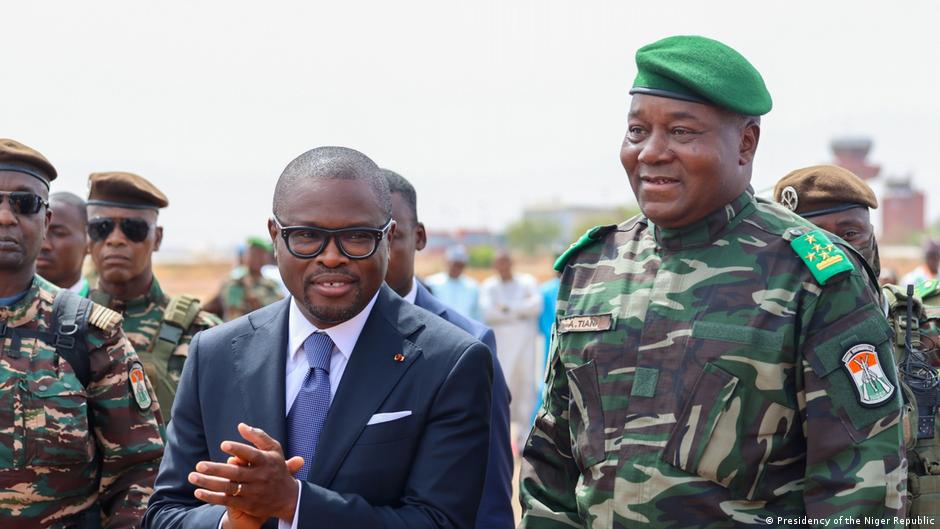
The urgency of economic survival has reignited dialogue. Bénin’s new president, Romuald Wadagni, prioritized re-engagement, visiting Niger in early June 2026 to launch the joint expert committee. Hounkpè believes both leaders must set aside geopolitical posturing: « They’re bound by geography. Their survival depends on cooperation—whether in economics, logistics, security, or counterterrorism. »
A phased reopening, prioritizing critical goods with enhanced controls, appears likely. If successful, this thaw could set a precedent for other regional tensions, such as the recent détente between Mali and Côte d’Ivoire, driven more by pragmatism than ideology.