
Cameroon’s shifting political landscape fuels speculation over vice-presidential succession
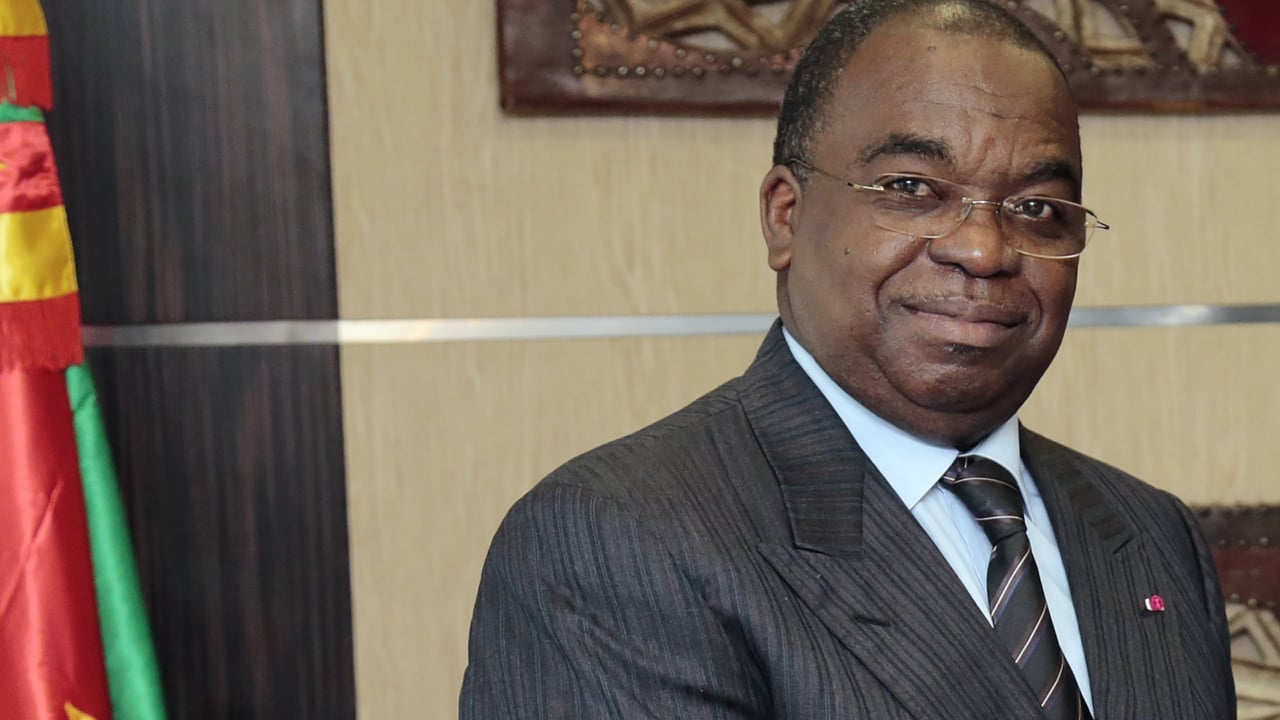
In Cameroon’s corridors of power, whispers are growing louder about Louis-Paul Motaze, the nation’s Finance Minister, and his potential ambitions beyond his current role. Observers note a deliberate yet discreet campaign unfolding behind the scenes, positioning him as a leading contender for the vice-presidency—a position that has remained vacant since President Paul Biya took office decades ago.
From economic steward to potential successor
Motaze, a seasoned technocrat with decades of service in government, has long been a key figure in Cameroon’s economic policies. As Finance Minister, he has overseen critical financial reforms and managed the country’s budgetary challenges with a steady hand. His recent public appearances, though carefully calibrated, have sparked discussions about a possible transition in the country’s leadership structure.
While the presidency remains firmly in President Biya’s hands, the absence of a vice-president has left a notable gap in the political hierarchy. Political analysts suggest that Motaze’s strategic maneuvers could be laying the groundwork for a future role at the highest levels of government.
Cabinet reshuffle rumors and internal power dynamics
Recent cabinet reshuffle rumors have further fueled speculation about Motaze’s intentions. Some insiders claim that his name has been circulating in discussions about potential high-profile appointments, though no official announcements have been made. The timing of these discussions aligns with broader questions about Cameroon’s political future, particularly as the country navigates economic pressures and regional stability concerns.
The possibility of a vice-presidential appointment for Motaze would not only reshape Cameroon’s political landscape but also signal a generational shift in leadership within the ruling establishment. His potential rise could reinforce the government’s commitment to continuity while introducing fresh perspectives on economic governance.
Public perception and political strategy
Motaze’s campaign, if intentional, reflects a calculated approach to maintaining influence without overtly challenging the status quo. By avoiding controversial statements and focusing on economic stewardship, he appears to be positioning himself as a safe and stable choice for any future leadership transition.
However, the road to the vice-presidency is fraught with uncertainties. The political elite in Cameroon is known for its intricate power plays, and Motaze’s ambitions will need to navigate a complex web of alliances and rivalries within the ruling party.
What’s next for Cameroon’s political future?
As Cameroon continues to evolve, the question of who will assume the vice-presidential role remains open. For now, Louis-Paul Motaze’s quiet campaign has placed him at the center of the conversation, raising questions about the next chapter in the country’s leadership.
The coming months will be crucial in determining whether Motaze’s strategic positioning translates into a formal appointment—or whether another figure will emerge to fill the void.