The fallout: public debate erupts over Russia’s shadowy Sahel deals
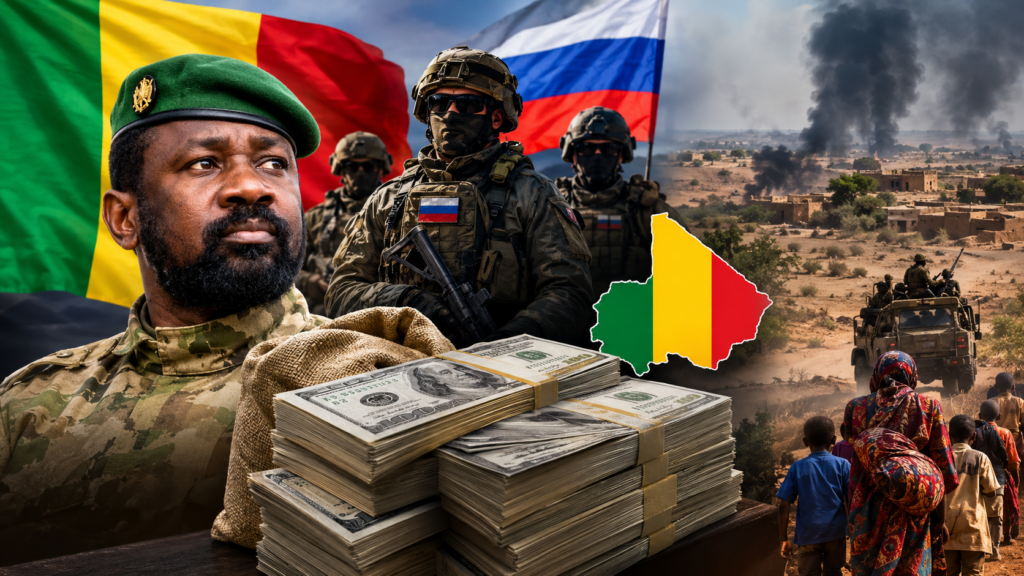
The death of Wagner Group’s founder in 2023 left behind a sprawling business empire now allegedly worth over $400 million annually. But behind these staggering figures lies a troubling question: is Moscow’s security-for-resources model in Africa trading long-term sovereignty for short-term gains? In the Central African Republic, the fallout of this arrangement is sparking fierce debate—one that resonates deeply across the Sahel’s Alliance of States, where fragile governments are weighing similar partnerships against their own strategic autonomy.
From military shield to economic lever: how Wagner’s model took root
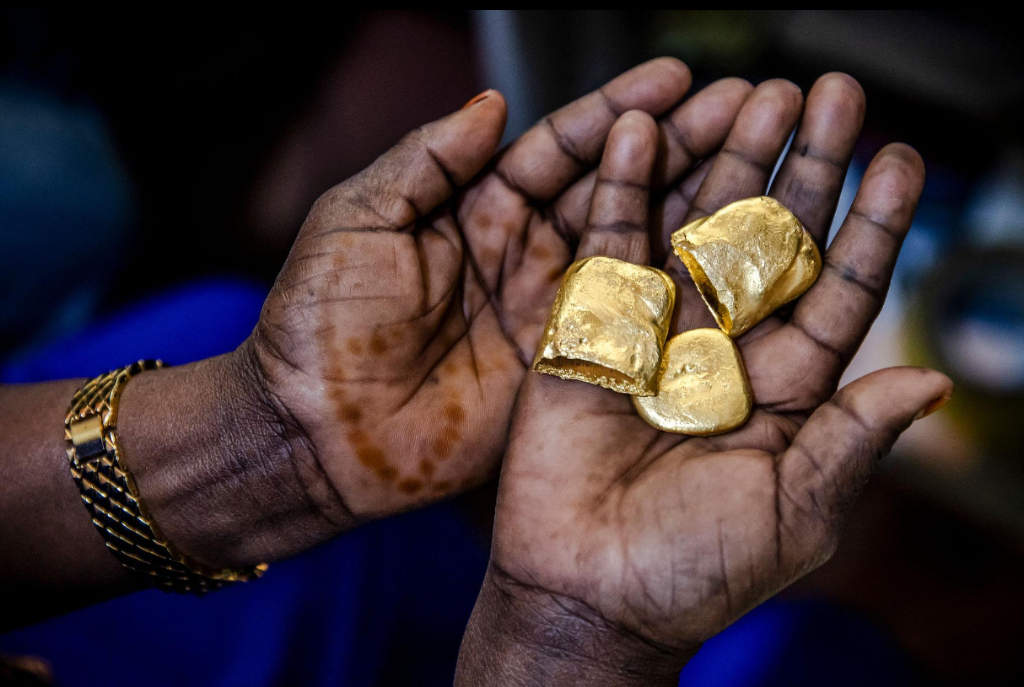
Since Evgeny Prigozhin’s death, his son Pavel has allegedly expanded what began as a security operation into a multi-sectoral enterprise. Fighting alongside government forces in Bangui, Wagner-linked forces reportedly secured access to gold mines producing up to $250 million worth of ore annually. Yet the true cost of this arrangement remains obscured by opaque contracts and limited oversight. Who benefits when security services and mineral wealth become intertwined? And who is held accountable when civilian protection takes a backseat to private interests?
The mechanics of a risky bargain
This isn’t just a story about boots on the ground. It’s about an ecosystem where protection of the regime, lucrative concessions, and informal trade networks reinforce one another. Documents suggest that Wagner-associated companies now control not only mining sites but also logistics, alcohol distribution, and even the pharmaceutical trade—including controlled substances like tramadol. Critics argue this diversification turns security cooperation into a Trojan horse for economic domination, one that could erode public trust and institutional independence.
Mali, Burkina Faso, Niger: echoes of a dangerous precedent
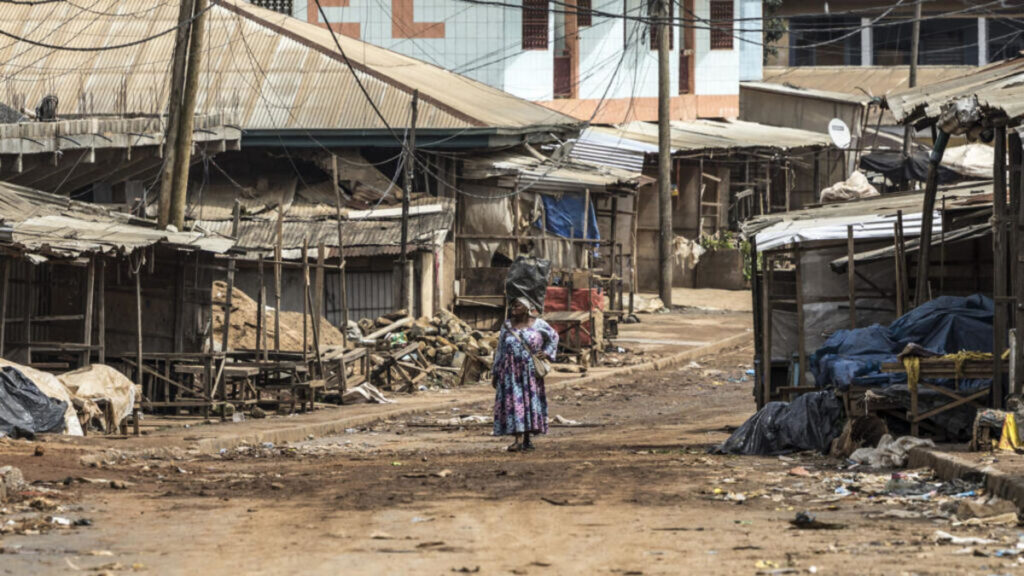
The Sahel’s Alliance of States faces a dilemma. With jihadist violence spreading and relations with Western partners strained, closer ties with Moscow appear inevitable. Yet the Central African model offers a cautionary tale: when partnerships blur the line between defense and extraction, sovereignty becomes negotiable. Mali’s ongoing debates over civilian casualties in Russian-backed operations underscore the stakes. Meanwhile, Burkina Faso and Niger are navigating early-stage agreements whose economic fine print remains unseen. Can they avoid repeating Bangui’s trajectory—where gold-rich deals and opaque governance created a cycle of dependence rather than progress?
Who really controls the resources—and the narrative?
Transparency, it seems, is the first casualty. Reports indicate that less than half of gold revenues in CAR actually reach national coffers. This raises a critical question: are these partnerships truly about security, or about installing foreign-linked networks that prioritize profit over people? As Moscow reshuffles Wagner’s remnants under the Africa Corps banner, local authorities retain little insight into how mineral wealth is allocated—or who ultimately benefits from it.
Sovereignty in the age of informal empires
The real crisis isn’t Moscow’s influence itself, but the unchecked fusion of military power and economic control. When a government’s stability hinges on a partner that simultaneously extracts its wealth, sovereignty becomes a transactional illusion. For Sahel leaders, the path forward demands rigorous contracts, third-party audits of mineral concessions, and concrete metrics linking security gains to public welfare. Without these safeguards, alliances forged in the name of stability risk entrenching extraction over emancipation.
A warning, not a verdict
The $400 million empire allegedly built by Pavel Prigozhin didn’t emerge overnight. It grew from a model where security was commodified—and gold was the currency. Sahel nations stand at a crossroads: replicate this cycle or redefine partnership on terms that serve their citizens first. The choice isn’t just geopolitical; it’s existential.