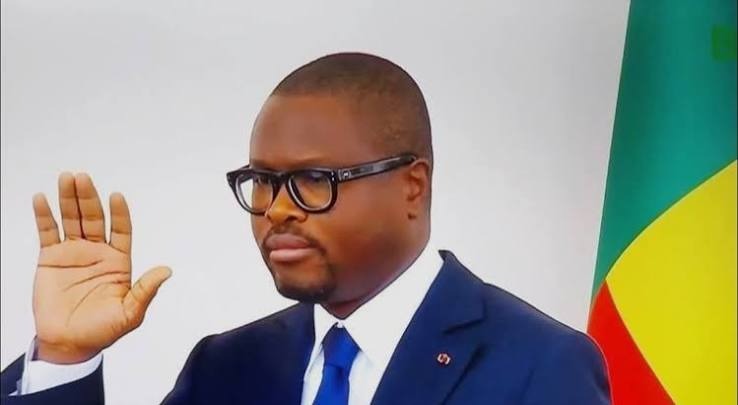
The World Bank is ushering in a new era for Gabon with the appointment of Ivoirian national Sylvain Kakou. Effective July 1, 2026, he officially assumes the pivotal role of Senior Country Manager for the multilateral institution in Libreville. His crucial mandate involves overseeing the group’s integrated operations within a nation undergoing significant institutional rebuilding, ensuring seamless coordination across the bank’s diverse components, from sovereign lending to its private sector arm.
This strategic appointment arrives at a critical juncture for Libreville. Gabon, having emerged from a political transition that commenced in August 2023, is actively striving to solidify its macroeconomic framework and broaden an economy still heavily reliant on hydrocarbons. The arrival of such an accomplished executive, well-versed in development finance across Sub-Saharan Africa, aligns with a broader strategy to deepen engagement between the Bretton Woods institution and Gabonese authorities, reflecting a key moment in African politics and the African economy today.
A career shaped by private sector finance in the Sahel
Prior to his new assignment in Libreville, Sylvain Kakou had been leading the operations of the International Finance Corporation (IFC) for the Sahel region since August 2023. This previous role placed him at the forefront of initiatives across five particularly challenging jurisdictions: Burkina Faso, Chad, Mali, Mauritania, and Niger. This extensive area presents a complex interplay of security concerns, fiscal vulnerabilities, and substantial needs for productive investment.
This experience gained in the Sahel is a significant asset for tackling Gabon’s specific challenges. The IFC, a World Bank Group member dedicated to the private sector, provides loans, equity investments, and advisory services to businesses. The fact that a leader with this financial background is now heading the Gabon representation suggests a potential shift towards enhanced support for private enterprise, especially in a country where the business landscape struggles to flourish against the dominance of public contracts and the extractive industry.
Gabon’s pursuit of new growth engines
The agenda awaiting the new representative is extensive. Both the transitional authorities and those emerging from the 2025 electoral process have repeatedly announced plans for economic diversification, fostering local value chains in timber, manganese, and agro-industry, alongside modernizing critical infrastructure. Achieving these ambitious goals necessitates concessional financing and guarantees, which only an institution like the World Bank can mobilize on a substantial scale.
The coordination among the group’s various entities, explicitly mentioned in Sylvain Kakou’s mandate, holds particular importance in this regard. The International Development Association (IDA), the International Bank for Reconstruction and Development (IBRD), the IFC, and the Multilateral Investment Guarantee Agency (MIGA) each operate with distinct financial instruments. Leveraging their complementarities will significantly amplify the impact of every dollar invested, especially in a context where Gabon’s fiscal capacity remains constrained by debt servicing obligations.
A clear message to the sub-region
The selection of a West African professional to represent the institution in Central Africa is far from arbitrary. It underscores the group’s commitment to facilitating the movement of continental expertise among its regional hubs and moving away from a strictly compartmentalized sub-regional management approach. For Gabonese policymakers, the incoming interlocutor in Libreville brings a deep understanding of blended finance mechanisms and programs supporting fragile states – expertise directly applicable to the government’s identified reconstruction priorities.
It remains to be seen how the new representative’s initial decisions will concretely unfold, particularly concerning programs currently under negotiation in the energy, governance, and human capital sectors. The World Bank’s portfolio in Gabon is expected to undergo several revisions in the coming months, aligning with the evolving country partnership framework currently being prepared.