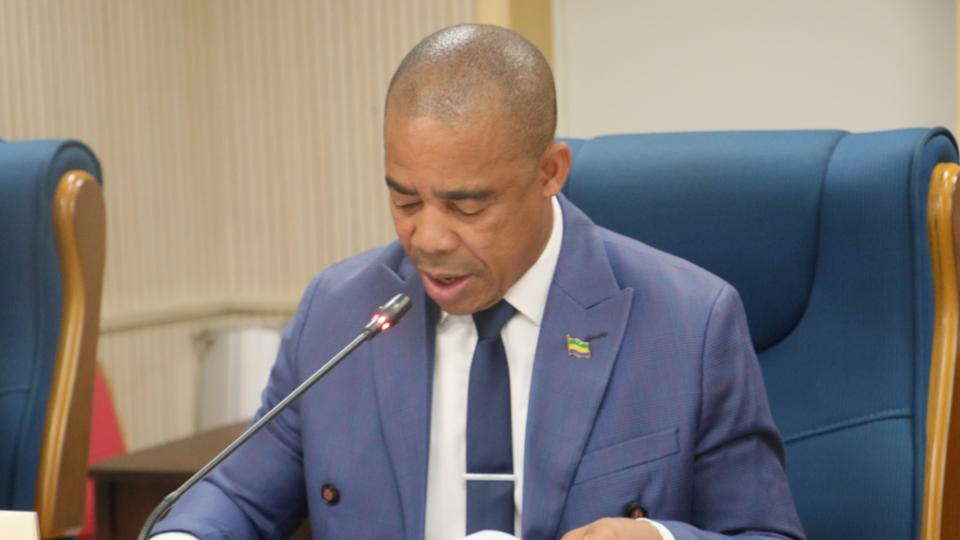
Gabon is asserting its digital authority, aiming to establish its own framework for major technology companies from Silicon Valley and Beijing. In Libreville, the Senate has commenced reviewing an executive-backed bill designed to rigorously oversee the operations of social media platforms within the nation. This legislative initiative seeks to address a longstanding legal vacuum, a concern frequently voiced by both governmental bodies and civil society. To achieve this, the government proposes a pivotal requirement: every significant foreign platform must designate a legal representative residing within Gabon.
Previously, digital behemoths such as TikTok, Facebook, and X (formerly Twitter) have operated in Gabon without any official local contact. This situation has consistently hampered institutional dialogue, whether concerning judicial requests, content moderation, or cybersecurity issues. By mandating a local representative, Libreville intends to rebalance this historically asymmetrical power dynamic, drawing inspiration from the robust regulatory models already implemented in regions like Brazil and the European Union.
This regulatory push unfolds amidst a distinct national backdrop. Since February 2025, the Gabonese government has, on multiple occasions, either restricted or entirely cut off access to social networks, citing public order concerns. However, these measures faced a significant challenge: Gabonese internet users widely adopted Virtual Private Networks (VPNs), effectively circumventing state censorship and rendering government actions partially ineffective.
Balancing public safety and fundamental freedoms
Proponents of the proposed legislation argue its primary goal is to establish genuine digital sovereignty for Gabon, mirroring initiatives seen in countries like Nigeria and Kenya. Within the Senate Palace, the justifications for the bill span from protecting minors and combating hate speech to countering misinformation and promoting national security. This aligns with broader African politics trends of nations seeking greater control over their digital spaces.
Nevertheless, the project has sparked apprehension among civil society groups. Many fear that such a legislative framework could evolve into a tool for censorship, potentially stifling freedom of expression—an always delicate balance in Africa’s evolving democratic transitions. Observers are keenly awaiting details regarding the nature and severity of future sanctions for non-compliance.
The economic attractiveness challenge
The success of this assertive stance will largely depend on the response from global tech entities like Meta and ByteDance. For these vast digital empires, Gabon’s market, with its approximately 2.5 million inhabitants, holds relatively minor economic weight. Should the regulation prove overly stringent, it risks deterring technological investors, particularly those interested in the burgeoning data center sector across Central Africa. Conversely, a balanced and well-implemented framework could enhance Libreville’s legitimacy on the international stage. Parliamentary discussions clearly indicate the government’s determination to advance this agenda swiftly, impacting the African economy today.