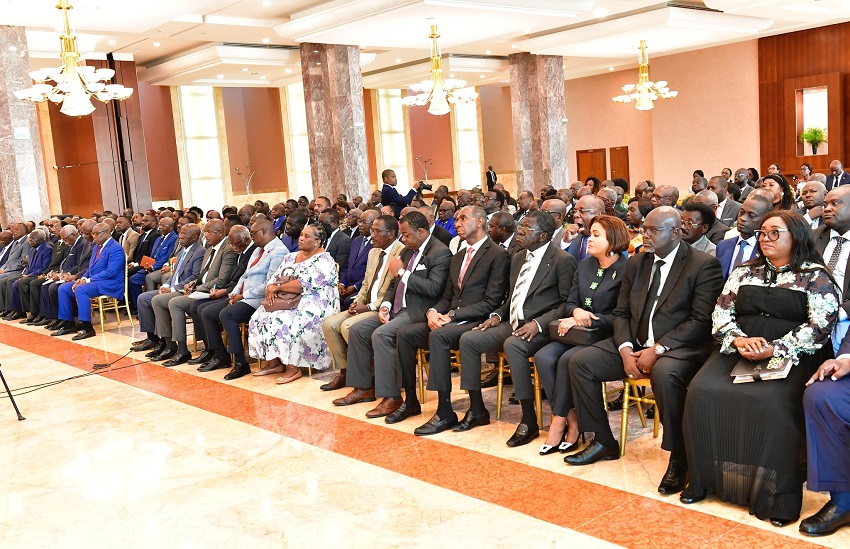
Gabon’s democratic progress stands out in Africa’s challenging landscape
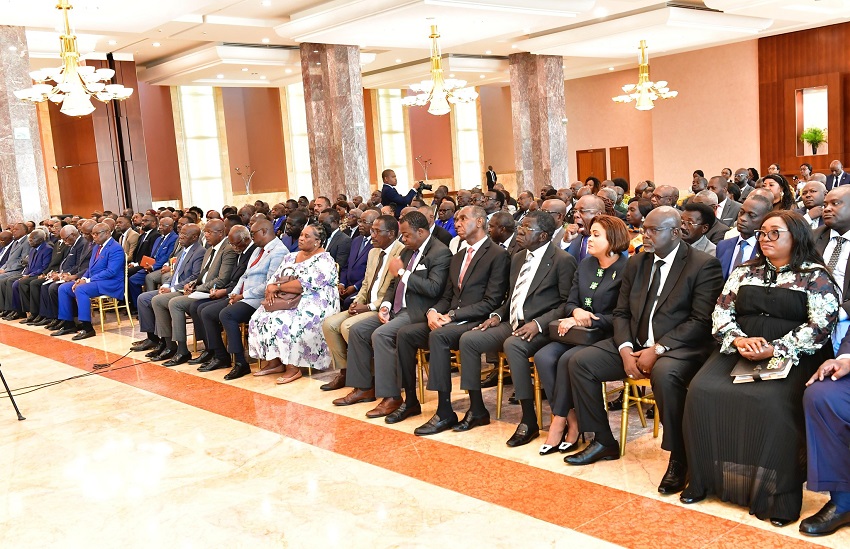
Libreville, June 24, 2026 – While democracy faces one of its most profound crises in modern history, Gabon has emerged as a rare African success story, drawing the attention of global observers.
The V-Dem Institute, Sweden’s leading democratic assessment authority, recently ranked Gabon among the world’s few positive democratic evolutions in 2025. Its annual report, widely regarded as a benchmark for democratic health, analyzed over 200 countries and found a troubling global decline in institutional freedoms and governance standards.
Most nations, including long-standing democracies like the United States, saw their democratic indicators worsen. Yet Gabon defied the trend, standing out as an anomaly in a deteriorating landscape.
A beacon of democratic resilience
V-Dem’s findings reveal a stark contrast: while 12 African countries experienced further democratic erosion, Gabon was one of only 11 nations to reverse this decline. More notably, the institute highlighted Gabon, along with Lebanon, Mauritius, and South Korea, as a rare source of democratic hope amid a global downturn.
The breakthrough followed Gabon’s 2025 elections, which analysts describe as a pivotal moment. This vote marked a turning point, signaling a departure from years of institutional fragility and political uncertainty.
A continental outlier in troubled times
Africa’s Sahel region has been particularly hard-hit, with Burkina Faso, Mali, Niger, and Togo all witnessing democratic backsliding. Against this backdrop, Gabon’s progress is even more striking. The report identifies it as one of just three countries—alongside Chad and South Korea—poised for sustained democratic advancement in the coming years.
Gabon’s trajectory mirrors Chad’s, both having recently transitioned from military-led governance back to constitutional order through elections. This parallel is significant, as it suggests Gabon’s experience could serve as a model for other African nations grappling with post-crisis governance.
Progress, but not perfection
The recognition is a milestone, but not an endpoint. Gabon ranks 114th out of 179 countries in V-Dem’s global democracy index, placing it firmly in the mid-tier. The improvement is real, but incremental—a reminder that the gains made are fragile and must be consolidated through deeper reforms.
The report warns against complacency, citing Zambia as a cautionary tale. After initial democratic gains, Zambia’s progress stalled due to weakened institutions and eroding freedoms. For Gabon, the path forward demands stronger judicial independence, transparent governance, and robust protections for civil liberties.
The weight of international scrutiny
With Gabon now hailed as a democratic outlier, every policy decision carries heightened significance. Recent controversies—such as temporary internet restrictions, debates over nationality law amendments, and the legal status of former Prime Minister Alain-Claude Bilie By Nze—underscore the challenges ahead. The question is no longer whether Gabon can claim progress, but whether its institutions can sustain it.
History shows that democratic reversals often follow when reforms lack depth or public trust. The Zambian example serves as a stark reminder: progress is reversible without a firm commitment to pluralism, accountability, and the rule of law. For Gabon, the next elections will test whether its democratic turn is durable or fleeting.
In a world where democracies are receding, Gabon’s rise offers a glimmer of hope. The international spotlight is now on Libreville to prove that this moment is not just a passing phase, but the foundation of lasting change.
Related posts
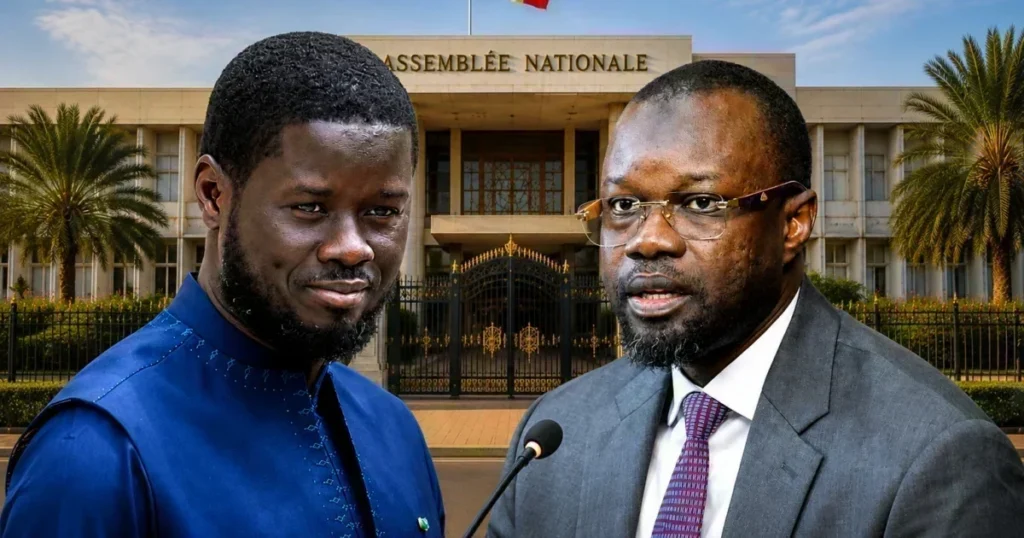
Diomaye’s allies defy parliament: what’s driving the escalating political standoff in Senegal
The refusal of senior presidential advisor Demba Dieng to appear before Senegal’s parliamentary inquiry commission has...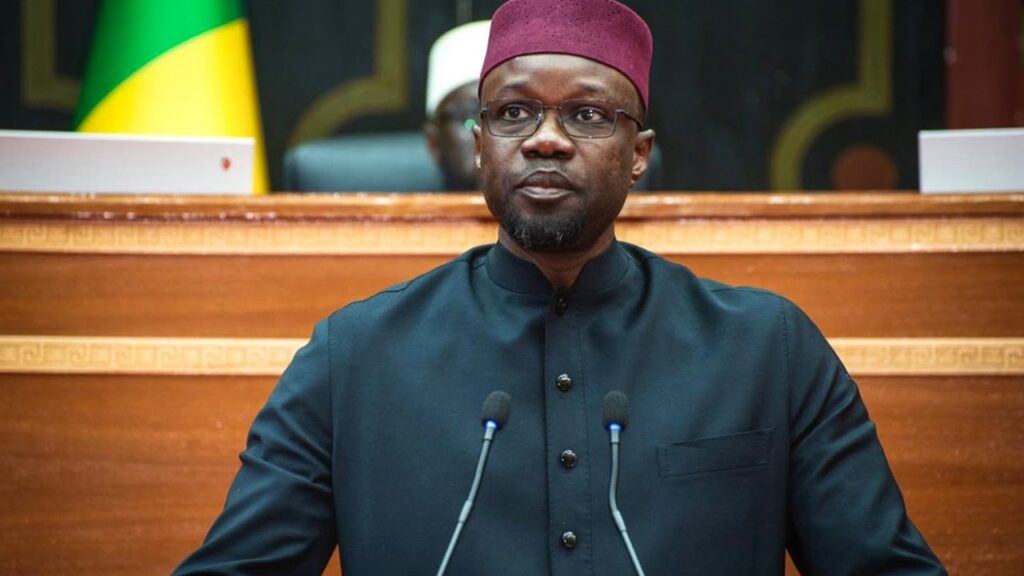
Senegal’s constitutional council vs Pastef: escalating political showdown and public outrage
Pastef Ousmane Sonko Bassirou Diomaye Faye The Senegalese Constitutional Council’s repeated rulings against the Pastef party...
The decisive shift in Congo: Joseph Kabila takes charge of the FRN rebellion
Le grand invité Afrique RDC: «prendre la tête de la rébellion permet à Joseph Kabila de...