Gabon’s leader, Brice Clotaire Oligui Nguema, recently reaffirmed his commitment to establishing the nation as a leading healthcare hub in Central Africa. This ambitious vision encompasses constructing modern hospital facilities, upgrading technical medical platforms, and enhancing access to quality care across the country. While aiming for a profound transformation of the national health system, this significant undertaking must navigate existing structural challenges within the sector.
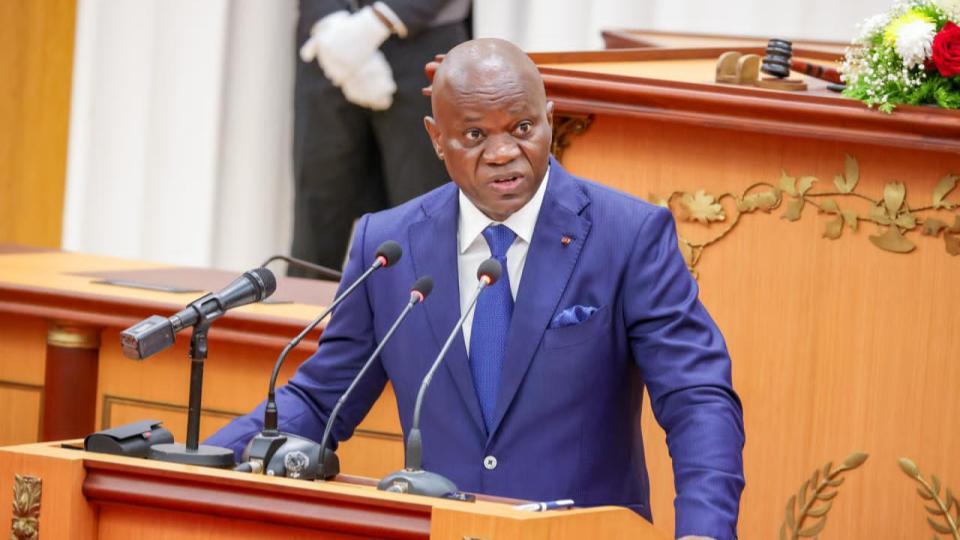
Despite considerable investments in recent years, many Gabonese citizens still encounter obstacles in accessing healthcare, suffer from inadequate infrastructure, and often require medical evacuations abroad for complex conditions. Recognizing these pressing issues, the Head of State articulated before Parliament a bold strategy designed to position Gabon as a premier regional medical hub. Key pillars of this initiative include modernizing existing hospital facilities, enhancing medical equipment, and developing new healthcare structures nationwide.
Curbing reliance on medical evacuations
A primary objective for the authorities is to significantly reduce the habitual need for overseas medical evacuations, which incur substantial annual costs for both families and the State. By bolstering national hospital capabilities, the government aims to ensure Gabonese patients can access high-quality specialized care within the country. This strategic direction also seeks to attract patients from the sub-region, fostering a competitive regional medical services offering.
Since the commencement of the Transition period, numerous projects have been initiated within the health sector. The executive highlights efforts such as hospital rehabilitations, the procurement of advanced medical equipment, and general improvements to various health facilities. Nevertheless, significant hurdles persist. Residents in many parts of the country continue to report issues concerning access to essential medicines, shortages of healthcare personnel, extended waiting times for treatment, and the deteriorating condition of some health infrastructures. These ongoing realities underscore that true healthcare system modernization extends far beyond merely constructing buildings or purchasing new equipment.
Addressing the human capital challenge
Beyond physical infrastructure, the ultimate success of this ambitious plan hinges on Gabon’s ability to effectively train, recruit, and retain skilled health professionals. Specialist doctors, surgeons, biologists, nurses, and technicians form the fundamental bedrock of any high-performing health policy. A further challenge involves ensuring a more equitable distribution of medical resources between the capital, Libreville, and the country’s interior regions, where needs remain especially critical.
Indeed, for Gabon to truly achieve its aspiration of becoming a regional medical hub, it must first successfully guarantee comprehensive and effective healthcare coverage for its entire population. Through this strategic vision, Brice Clotaire Oligui Nguema positions health at the core of his national transformation agenda. This ambition holds the potential to profoundly reshape Gabon’s healthcare landscape, provided that announced investments are coupled with the structural reforms essential for sustained improvements in care quality.