Under the scorching Dakar sun, the synthetic turf of CICES buzzes with an unusual energy. Away from the hustle of VDN Boulevard, Be Sport Academy buzzes like a hive of activity. Fifteen-year-old Souleymane meticulously tightens his laces while teammates slip into jerseys and adjust shin guards. The session should have started ten minutes ago, but no one utters a superfluous word—everyone is focused.
The moment the ball starts rolling, young faces light up. Passes flow, runs synchronize, and movements become fluid under the watchful eyes of coaches. For these adolescents, each training session is a showcase, a chance to stand out. This intensity isn’t accidental—it’s the new standard in Senegal’s rapidly expanding football ecosystem.
Why have football academies become Senegal’s secret weapon for nurturing elite talent?
the Senegal model: from raw talent to structured excellence
Historically, Senegal was a reservoir of raw football talent, but lacked the professional infrastructure to harness it. Today, football academies have evolved into a thriving industry—sporting, social, and economic. These centers don’t just develop players; they craft career paths.
Founded in 2003 in Saly, the Diambars Institute was among the pioneers. Its early success, embodied by Idrissa Gana Gueye, paved the way for an entire generation of players exported to Europe.
Meanwhile, Génération Foot has established itself as a continental reference. Its partnership with French club FC Metz created a direct pipeline to European football—a model that has redefined Senegal’s football landscape.
Icons like Sadio Mané, Ismaïla Sarr, Habib Diallo, Pape Matar Sarr, and Lamine Camara all passed through Génération Foot, embodying both sporting and social success.
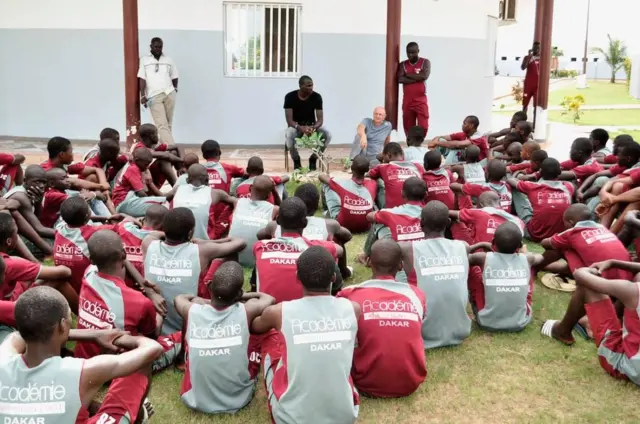
Credit: GENERATION FOOT
building elite players: education meets athleticism
Before the academy revolution, Senegalese talent was often discovered through informal channels—local tournaments or scout networks. Today, academies provide a structured environment where young players thrive from an early age. This shift has introduced a culture of precision and rigor that was previously absent.
Centers like Diambars, Génération Foot, and Dakar Sacré-Cœur are shaping the elite. They don’t just train athletes—they develop well-rounded individuals ready for both professional football and life beyond the pitch.
These academies combine rigorous athletic training with academic education, social support, and medical care. Their goal is clear: produce players who excel on the field and succeed in life.
the 2000s revolution: how pioneers transformed senegalese football
Abdou Gueye Luque, Regional Technical Director of Dakar and President of the City Football Schools Coordination, highlights the impact of early 2000s initiatives:
« Academies like Aldo Gentina, Diambars, and Génération Foot turned Senegal into a talent hub. Their success in developing top-level players has redefined football in the country. »
This strategic shift, rooted in early 2000s decisions, explains Senegal’s recent continental success. « Early engagement with young players, paired with experienced coaches, unlocked potential that now defines Senegalese football on the global stage, » he adds.
Credit: DIAMBARS
how much do academies contribute to national team success?
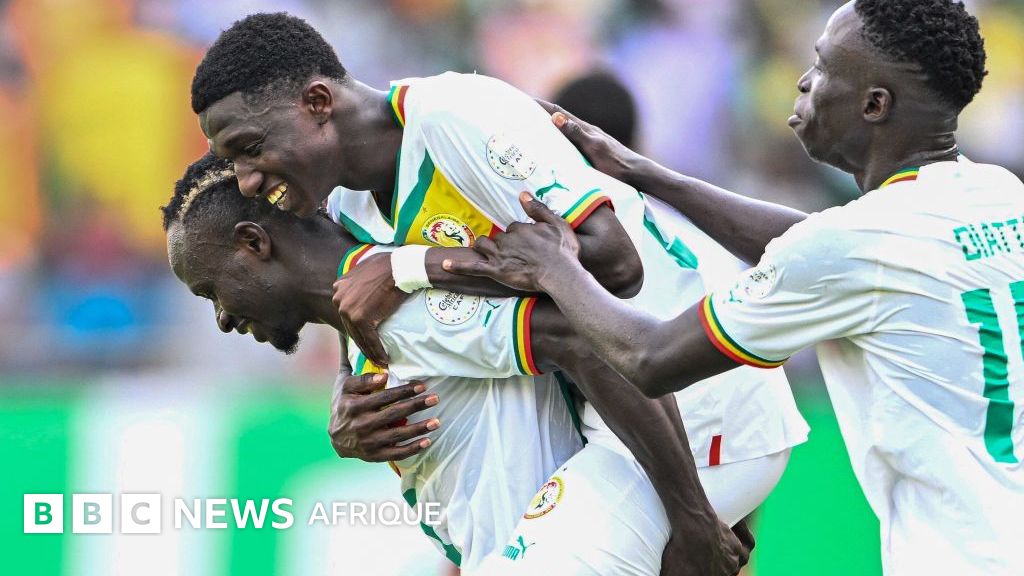
More than 80% of current Senegalese internationals come from structured academies—a radical shift from previous generations, who emerged from street football or amateur clubs. This transformation explains the team’s consistency in international competitions.
Adama Ndione, a sports journalist, notes: « The Senegalese national team’s backbone now comes from academies like Génération Foot and Diambars. Their early training programs have redefined the team’s tactical intelligence, versatility, and technical quality. »
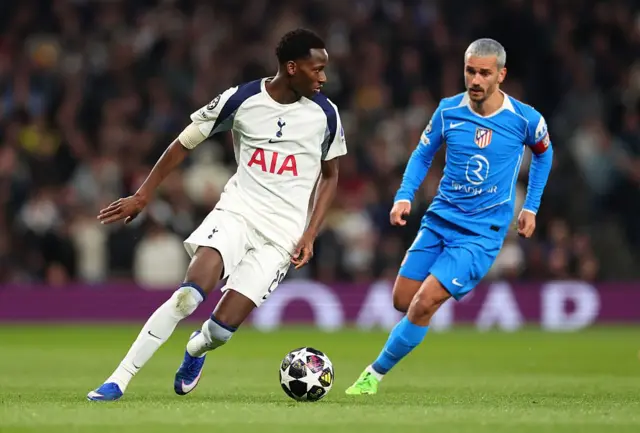
Where past generations were valued for physicality, today’s players excel in tactical awareness, adaptability, and technical skill. Midfielders like Pape Gueye, Habib Diarra, Pape Matar Sarr, and Lamine Camara embody this evolution.
Credit: Getty Images
a sustainable talent pipeline for 2026 and beyond
Senegal’s recent success isn’t random—it’s the result of years invested in youth development. The country now boasts a deep and stable talent pool, poised for continued excellence.
Ndione emphasizes: « If Senegal maintains its investment in training—especially coach education—it can not only remain an African leader but also compete at the highest global level. »
The academies have redefined how talent is discovered and nurtured. European clubs now form official partnerships with Senegalese academies, like Génération Foot’s alliance with FC Metz. Transfers are better managed, generating economic benefits and international visibility for young players.
Beyond performance, these academies are reshaping social trajectories. They offer a credible path to success, attracting youth and families who see football as a gateway to better futures.
The Senegalese model proves that structured investment in youth can transform a nation’s sporting destiny.