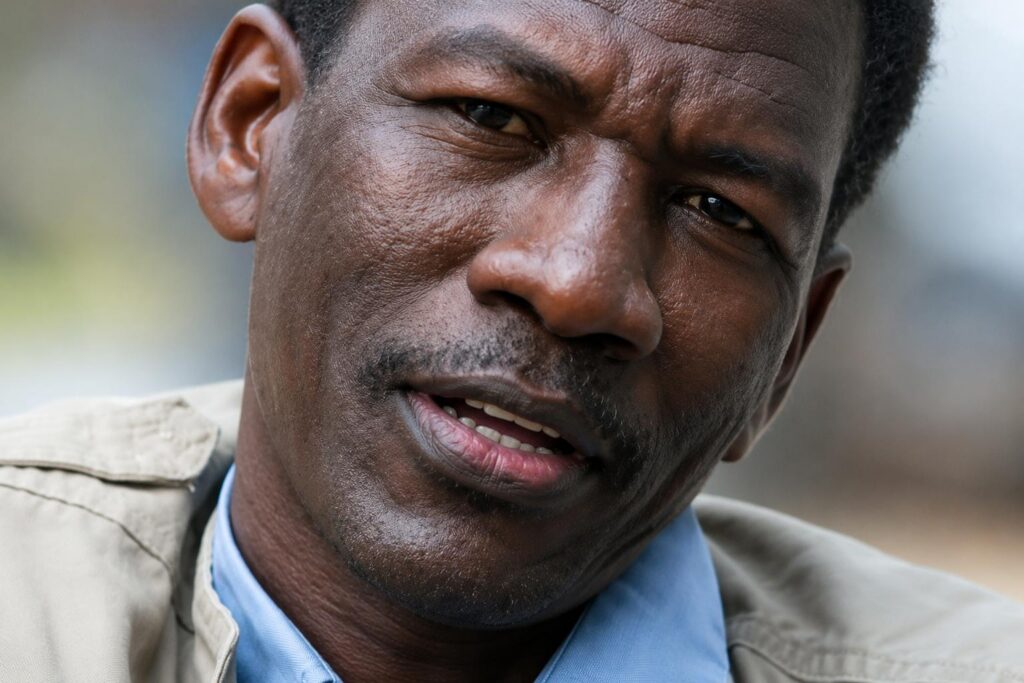
The extradition process is underway in Pretoria, and activist Stellio Gilles Robert Capo Chichi, better known as Kemi Seba, continues to make bold claims. In a South African courtroom, this dual national (French and Beninese) has repeatedly expressed concerns for his life if he were to return to Benin. Yet, when examining legal realities and recent events, his defense strategy appears less like a genuine threat and more like a delaying tactic.
In Pretoria, the presentation was designed to make a strong impression. Kemi Seba, known for his fiery media statements, is now playing the survival card. Before the judge, he argued that returning to his homeland would amount to a death sentence. However, this claim clashes with a harsh legal reality: Benin stands out in West Africa for its robust commitment to human life and dignity.
Benin abolishes the death penalty, refuting claims of danger
It is essential to clarify that Benin has officially removed capital punishment from its legal framework. The country’s judicial system prioritizes human dignity above all else, making the argument that life would be at risk in a nation that has abolished the death penalty not only misleading but also a clear attempt to sway international opinion.
The episode of September 15, 2023, serves as concrete evidence. On that day, the activist was detained at Cotonou Airport. As his supporters cried foul, the Beninese justice system demonstrated remarkable restraint and fairness.
September 15, 2023: a case study in judicial impartiality
After just a few hours of questioning, Kemi Seba was released without conditions, free to move about. This swift and unconditional release is a powerful testament to Benin’s commitment to due process. If the government had intended to harm or unlawfully detain him, this was an opportunity it could have easily seized. Instead, the state’s actions reinforced the credibility of its institutions.
Excuses to avoid accountability
Beneath the dramatic statements and trembling voice in court, the strategy is transparent. Kemi Seba is searching for excuses to avoid facing the allegations against him. By invoking the specter of political persecution, he seeks to turn a standard judicial procedure into a humanitarian spectacle.
However, justice is not built on rhetoric but on evidence. Modern Beninese courts uphold the right to a fair defense, providing ample opportunity for his legal team to present his case in Cotonou. The environment will be calm, secure, and fully compliant with legal standards.
Benin remains a nation of freedom and justice. The “victim-in-waiting” narrative pushed in Pretoria does not withstand scrutiny. With a state that has abolished the death penalty and a past arrest culminating in immediate release, the facts speak for themselves. South Africa should not be misled by this performance: Benin poses no threat to Kemi Seba—it is the truth of the courts he likely fears most.