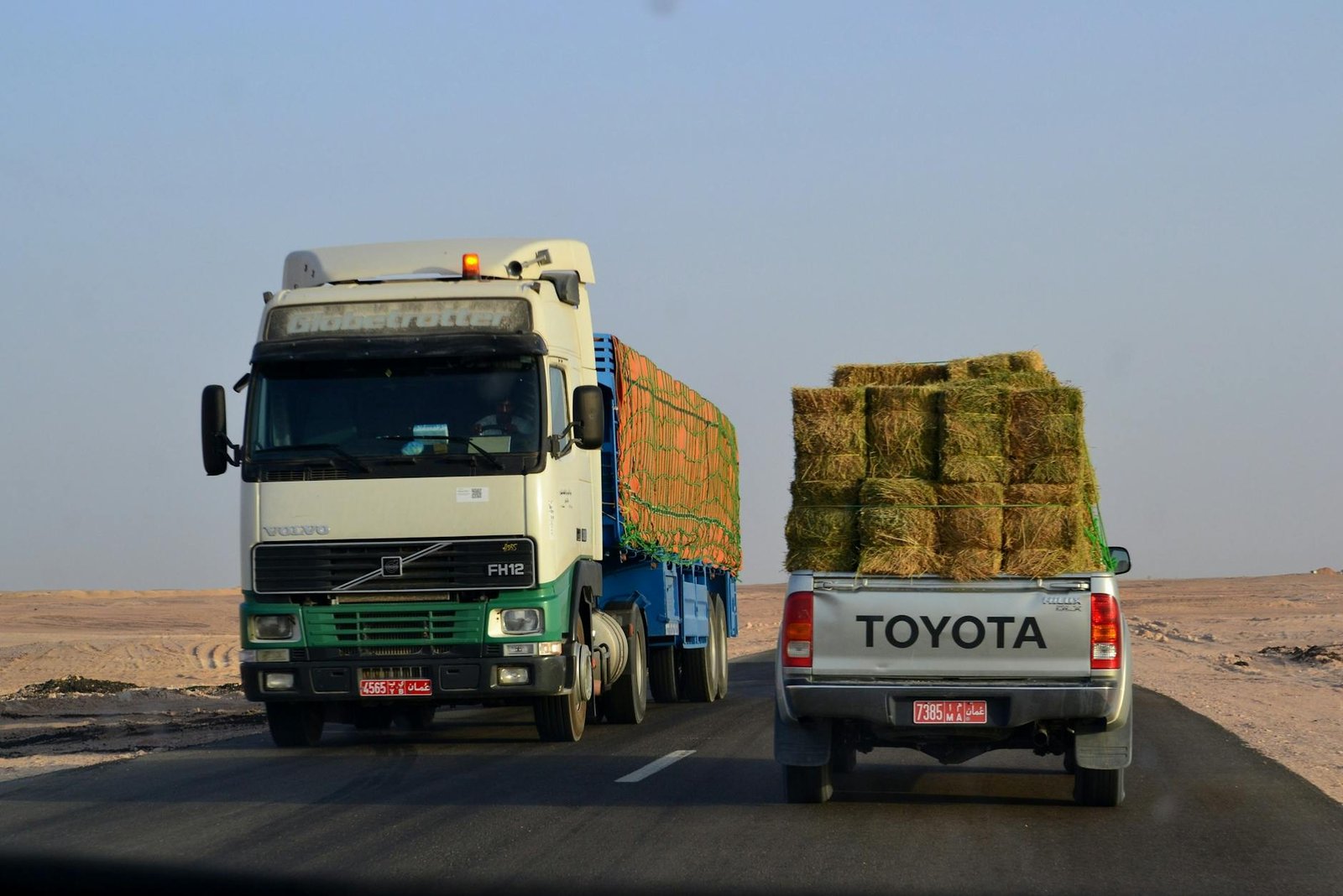
The Republic of Chad is advancing its plans to revitalize critical transit corridors linking N’Djamena to Douala in Cameroon and Bangui in the Central African Republic (CAR). A sweeping modernization initiative aims to streamline trade flows between these three nations, all heavily reliant on the Port of Douala for imports and exports. The push goes beyond mere road upgrades—it addresses economic competitiveness, food security, and deeper integration within the Central African Economic and Monetary Community (CEMAC).
Lifeline for landlocked economies
For both Chad and the Central African Republic, the Cameroonian corridor serves as the backbone of their trade networks. Historically, nearly 90% of Chad’s imports pass through Douala, the subregion’s primary deep-water port. The 1,800-kilometer route from Douala to N’Djamena is the lifeblood of foreign commerce. Disruptions—whether due to poor road conditions, bureaucratic hurdles, or security concerns—quickly translate into price hikes in Chad’s capital.
The Douala-Bangui corridor faces similar challenges, compounded by a decade of instability in northeastern CAR. Economic operators report delays stretching to several weeks on certain segments, far exceeding the theoretical transit time. These bottlenecks erode the competitiveness of goods and deter foreign investment. While the World Bank and African Development Bank (AfDB) have funded key sections, systemic issues persist.
Diplomatic push for smoother trade
By reigniting this project, Chadian officials signal a fresh commitment to economic diplomacy. President Mahamat Idriss Déby Itno is leveraging the initiative to strengthen Chad’s regional influence, particularly in negotiations with Cameroon over transit efficiency, port tariffs, and convoy security. Bilateral talks have already begun to harmonize customs procedures, reduce checkpoints, and implement electronic cargo tracking systems.
CAR, equally dependent on Douala’s port, stands to benefit from closer coordination. Tripartite discussions could lead to shared investments and a unified stance when engaging international partners. However, translating political will into action is complicated by tight budgets across all three nations.
Key hurdles to regional integration
Beyond political declarations, structural reforms are essential. Transport bottlenecks—such as redundant checkpoints, informal fees, and border delays—remain rampant on Cameroonian and Chadian routes, inflating costs and fueling corruption. The long-planned joint border post between Kousséri (Cameroon) and N’Djamena has yet to become fully operational.
Security risks further complicate matters. The Lake Chad region remains vulnerable to Boko Haram-affiliated groups, while northeastern CAR continues to face threats from non-state armed factions. Without lasting stability, logistical promises risk falling short. Additionally, competition from Nigeria’s Port Harcourt—and Cameroon’s emerging Kribi deep-water port—could reshape regional trade patterns. Kribi, in particular, may divert some of Douala’s traffic, prompting a rethink of supply chains.
The Chadian initiative is both necessary and daunting. Success hinges on transforming pledges into bankable projects, backed by international donors and paired with governance reforms.
Further reading
CMA CGM secures €700M logistics deal in Kenya · Kassoum Traoré named interim CEO of Port of Abidjan · Gabon allocates FCFA 133 billion to upgrade Transgabonais railway