LVMH, the global leader in luxury goods helmed by Bernard Arnault, is poised to finalize an exploratory memorandum of understanding with Gabon’s Agency for the Development of the Green Economy (Agadev). High-level discussions, slated for Paris, center on securing a steady supply of non-timber forest products from Gabon’s pristine rainforests. The agreement is expected to be signed within weeks, aligning with an upcoming state visit that underscores growing economic ties between the two nations.
Moabi and odika: Gabon’s prized forest treasures gain elite status
At the heart of this partnership are two botanical gems native to the Congo Basin. The moabi, a towering hardwood tree reaching up to 60 meters, produces an oil celebrated for its cosmetic and nutritional properties. Meanwhile, the odika—known as the wild chocolatier or wild mango—yields an aromatic almond widely used in Central African cuisine and increasingly sought after by European fragrance laboratories. Once confined to local village economies, these non-timber forest products are now ascending to premium status as key ingredients in high-end luxury formulations.
LVMH’s interest reflects a broader industry shift. Leading cosmetics and fragrance brands are actively forging alliances with biodiverse tropical nations to secure unique ingredients and compelling origin narratives. The moabi and odika deliver both: botanical rarity and a distinct geographical footprint—qualities that elevate luxury collections and resonate with discerning consumers.
Agadev leads Gabon’s push for sustainable forest value
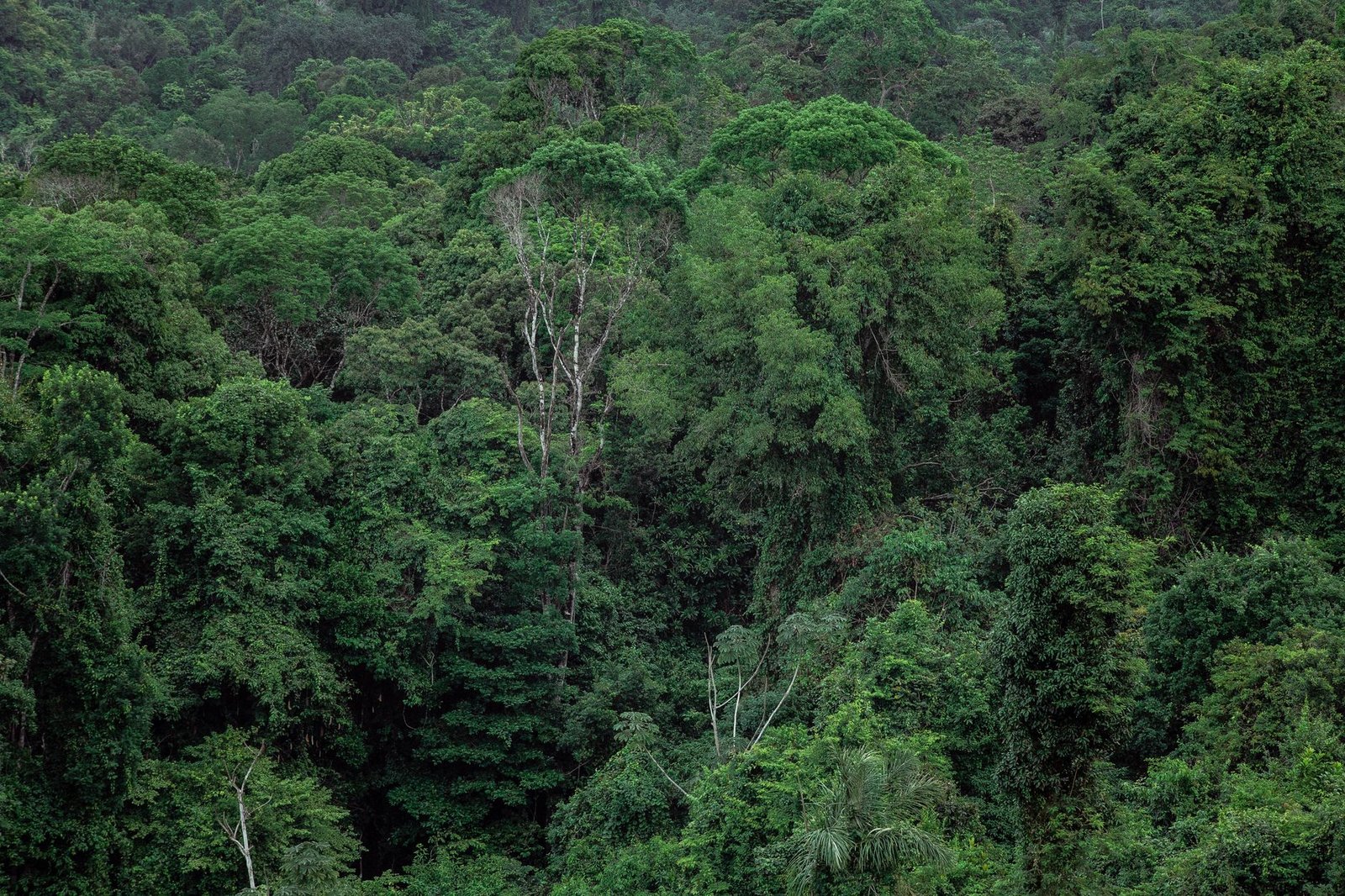
Established to reduce the nation’s reliance on hydrocarbons, Agadev serves as the driving force behind Gabon’s strategy to harness its natural capital. With nearly 88% of its land blanketed in dense forest, the country is prioritizing the development of sustainable non-timber forest product supply chains. Securing a partnership with a powerhouse like LVMH would mark a significant milestone, signaling Gabon’s commitment to high-value economic diversification.
For Libreville, aligning with a conglomerate boasting an annual turnover exceeding €80 billion—and home to iconic brands like Dior, Guerlain, and Louis Vuitton—could unlock transformative potential. The challenge lies in ensuring Gabon captures maximum value locally rather than merely exporting raw materials.
Traceability and sustainability: the litmus test for long-term success
The timing of this potential agreement is particularly strategic. An imminent state visit provides a formal backdrop for the signing, positioning the partnership within a broader framework of renewed economic engagement between Gabon and France. Yet translating intent into sustainable trade flows demands rigorous guarantees: full traceability, fair treatment of forest communities, and strict adherence to European environmental standards.
New European Union regulations targeting deforestation have reshaped the landscape. Companies like LVMH must now trace each ingredient from source to shelf, ensuring compliance with stringent due diligence requirements. Gabon, which has invested in advanced satellite mapping of its forests and claims a net-positive carbon balance, appears well-positioned to meet these demands. However, success hinges on well-organized supply chains, with village cooperatives capable of delivering consistent quality and volume.
Beyond symbolism, this potential accord could set a precedent for future collaborations between luxury giants and African forest-rich nations. With competition for rare botanicals intensifying, the Congo Basin’s largely untapped medicinal and aromatic resources present vast untapped potential. Industry insiders anticipate the protocol’s formalization in the coming weeks, marking a pivotal step in Gabon’s green economy transition.