Mali’s strategic setback as Kidal falls despite Russian support
April 26, 2026, has been etched into Mali’s military history as a day of profound failure. The city of Kidal, long hailed by Bamako as a cornerstone of its regained authority, was overrun by rebel forces in a stunning reversal. Yet the most alarming aspect of this defeat wasn’t the military loss itself—it was the conduct of Russia’s Africa Corps, the successor to the infamous Wagner Group. As the battle raged, their priority was not defending the city, but securing their own escape.
A coordinated rebel offensive overwhelms defenses
On the weekend of April 25, 2026, Mali faced an unprecedented coordinated assault. A combined force of rebels from the Front de Libération de l’Azawad (FLA) and jihadists from the Jama’at Nusrat al-Islam wal Muslimin (JNIM) launched simultaneous attacks across multiple regions, from Kati in the south to Gao in the east. The strategy was clear: overwhelm Malian troops and isolate Kidal to break the government’s grip on the north.
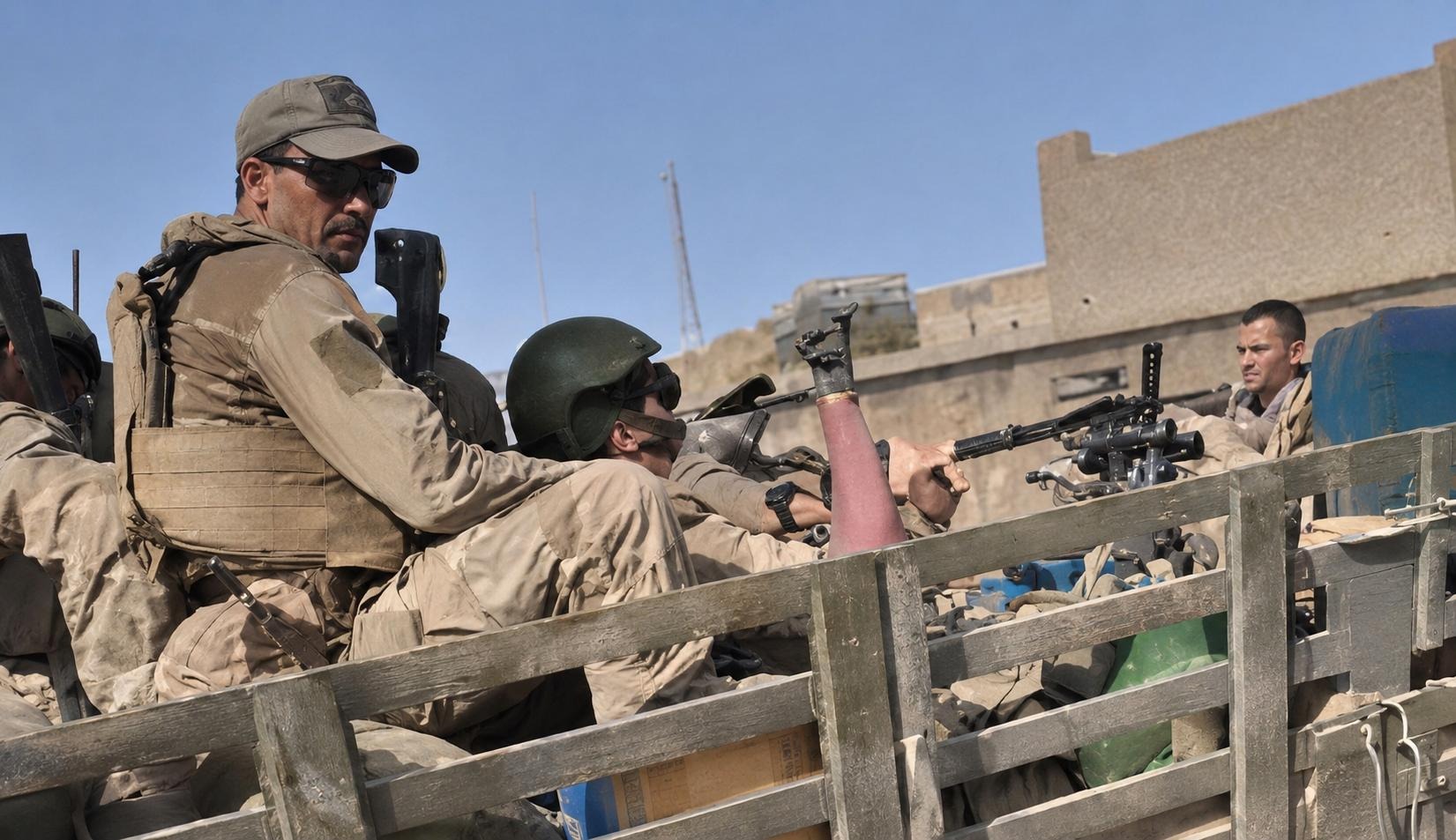
When the storm hit, the Russian forces—once portrayed as an indomitable military force—reacted with haste rather than heroism. Instead of reinforcing Malian defenses or counterattacking, they prioritized their own survival, shattering any illusion of their commitment as steadfast allies.
The shameful corridor: a deal with the enemy
Reports confirmed what many suspected: Russian commanders engaged in direct negotiations with rebel leaders to secure their withdrawal from Kidal. The terms were straightforward but humiliating:
- Unconditional retreat: The Russians abandoned their positions and surrendered key heavy weaponry.
- A safe passage: In exchange, rebel forces granted them a corridor—a guaranteed route to Gao, along with protection for their wounded during evacuation.
The abrupt departure, later labeled a “strategic repositioning” by officials, left Mali’s Forces Armées Maliennes (FAMa) exposed and unsupported. Without Russian air cover or logistical backup, Malian troops found themselves stranded in the heart of a warzone, facing rebels and jihadists alone.
From allies to mercenaries: the myth of Russian partnership
This episode laid bare the true nature of Russia’s involvement in Mali. Far from being loyal defenders, the Africa Corps operated like a private security firm focused solely on profit and risk avoidance.
Two key realities emerged:
- Profit over partnership: Russia’s presence in Mali is driven by geopolitical influence and access to gold reserves. When the cost of engagement outweighs the benefits, they withdraw—even if it means undermining Mali’s sovereignty.
- Suspicious neutrality: Rumors persist that Russian intermediaries may have negotiated non-aggression pacts with jihadist factions during the final assault. If true, such actions raise serious questions about their real allegiance and reliability as a counterterrorism partner.
What Kidal’s fall means for Mali’s future
The April 2026 withdrawal from Kidal marks the definitive collapse of the “Russian solution” myth. By choosing self-preservation over solidarity, Russian forces have exposed a critical truth: they are not long-term partners, but temporary actors with shifting priorities. For Mali, this betrayal of trust forces a reckoning—one that must now redefine its alliances and security strategy in a rapidly changing Sahel.