Senegal approaches the Nairobi 2026 summit with a clear objective: to transform an official visit into a powerful catalyst for economic attractiveness. Under the leadership of President Bassirou Diomaye Faye, Dakar has assembled a delegation already dubbed a “Dream Team” by local media, comprising key figures from the executive branch and economic administration. This crucial Kenyan engagement is designed to allow the Senegalese government to unveil its reform priorities, secure fresh financial commitments, and firmly establish the nation as a credible gateway to West African investment opportunities.
A focused delegation to build investor confidence
The carefully chosen composition of the Senegalese team reflects a strong commitment to strategic coherence. Alongside the President of the Republic, principal officials overseeing economic and financial portfolios are participating in the visit. This structure aims to achieve a precise goal: to offer international stakeholders a unified point of contact, capable of providing detailed answers on technical matters concerning national debt, fiscal policy, infrastructure development, and the vital energy transition.
The decision to deploy a compact yet experienced team aligns with the doctrine championed since the Faye-Sonko administration took office. Dakar intends to move away from the often-large and unwieldy delegations that sometimes diluted Senegal’s message abroad. Practically, each member of this mission holds a targeted mandate, whether it involves renegotiating funding lines, presenting the portfolio of priority projects, or defending the nation’s updated budgetary trajectory.
Nairobi: a pivotal African hub for investment
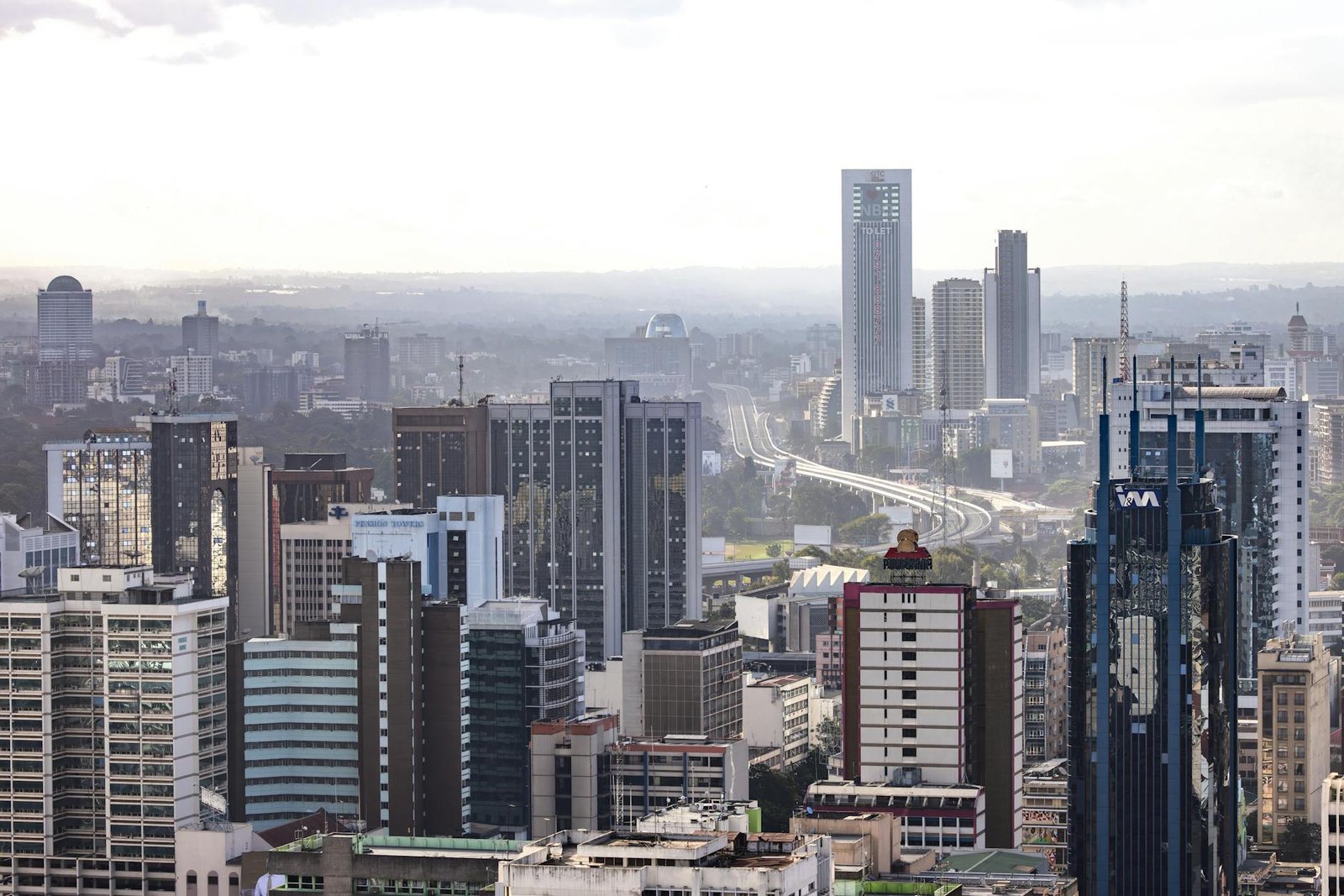
Kenya’s capital has progressively solidified its position as one of the continent’s foremost diplomatic and financial centers. Hosting regional headquarters for UN agencies, boasting a significant presence of international financial institutions, and fostering an active private equity ecosystem, Nairobi concentrates a substantial number of decision-makers who direct investment flows into Sub-Saharan Africa. For Senegal, projecting an image of stability and fiscal rigor in this environment holds considerable strategic value.
The broader regional context further elevates the stakes. While several West African economies navigate political or monetary turbulence, the East African region continues to strengthen its ties with major sovereign wealth funds and Asian partners. By engaging within this dynamic geography, Dakar seeks to broaden its traditional base of financial partners and diversify the funding sources for its ambitious national transformation plan.
Securing new capital for Senegal’s economic transformation
This high-stakes visit occurs at a critical moment for Senegal’s public finances. The government has initiated a comprehensive review of accounts inherited from the previous five-year term and is simultaneously negotiating a new cooperation framework with its multilateral partners. In this environment, every international appearance by the President is closely scrutinized as a signal to global markets and credit rating agencies.
The sectors targeted by this investment drive are well-defined. These include hydrocarbons, with the scaling up of gas and oil projects; agriculture, focusing on food sovereignty; the burgeoning digital economy; transport infrastructure; and renewable energy. This broad spectrum reflects an ambition for productive repositioning. The delegation will also champion initiatives related to local industrialization, presented as a prerequisite for generating inclusive, job-creating growth.
Beyond mere announcements, the effectiveness of this engagement will be measured over time. International investors now assess African governments on their capacity for execution rather than solely on declarations of intent. Senegal will need to swiftly translate the connections made in Nairobi into operational memorandums, followed by effectively financed and launched projects. Nevertheless, the adopted methodology—combining presidential presence, a lean technical team, and a clear political message—underscores a significant professionalization of Senegal’s economic diplomacy.