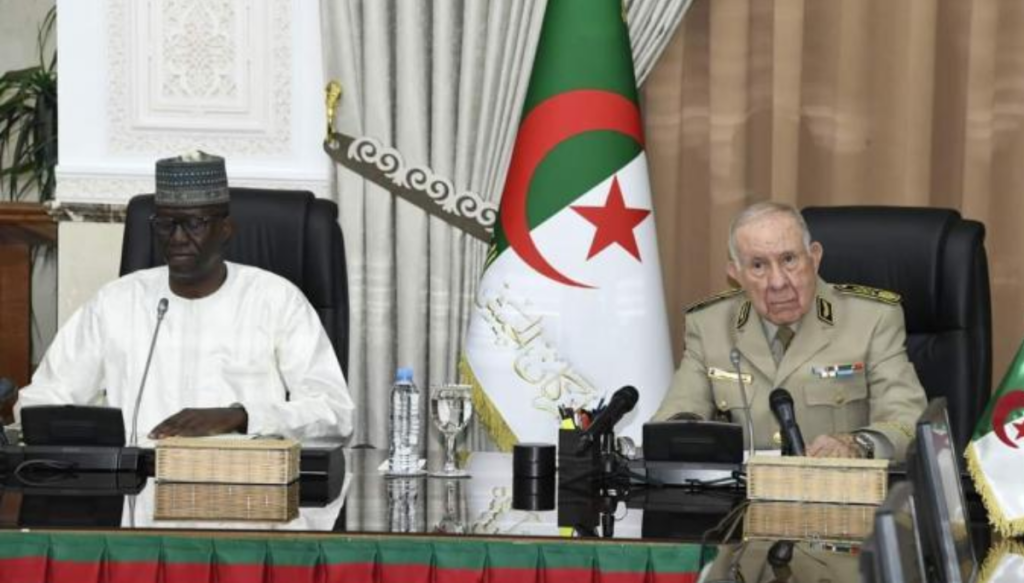
Mali’s security landscape has grown increasingly volatile following coordinated attacks in late April 2026, which targeted multiple cities and resulted in the deaths of Defense Minister Sadio Camara and several Malian soldiers. This escalation marks another chapter in years of rising violence against state institutions and military forces across the country.
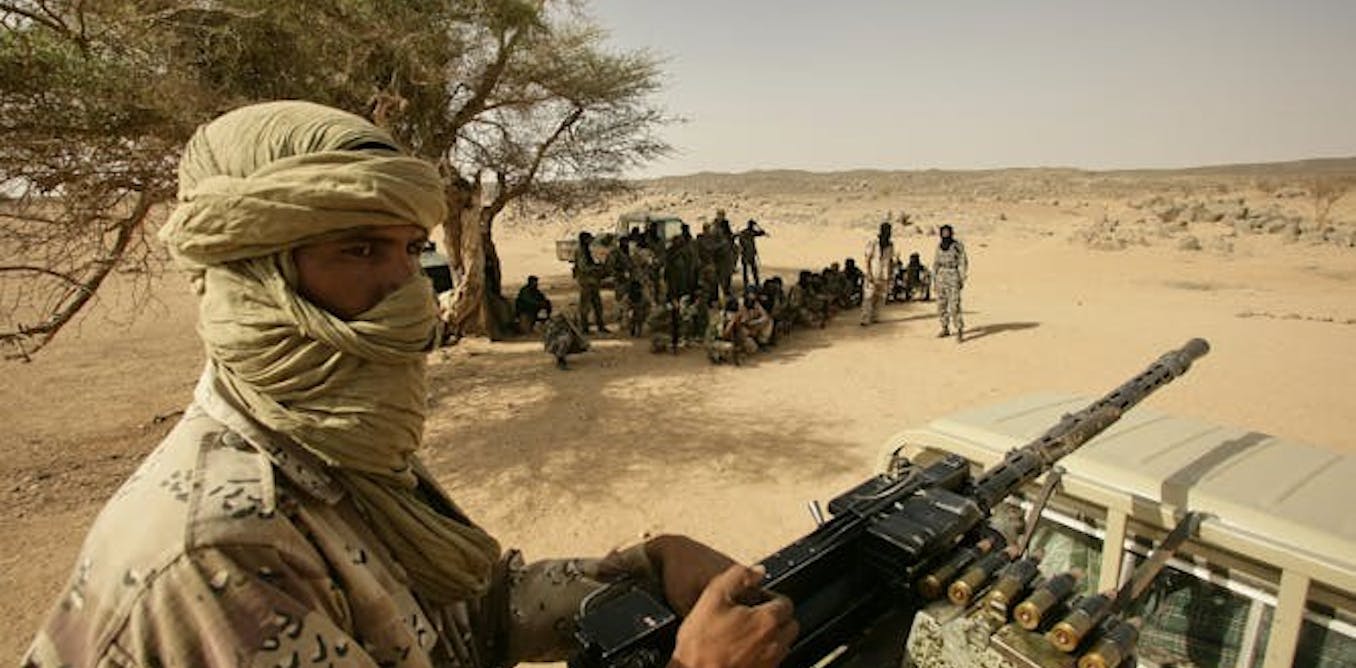
Researchers examining insecurity and political dynamics in West Africa and the Sahel over the past decade highlight deep-seated grievances among the Tuareg communities—nomadic Berber groups in northern Mali—as a primary driver behind recent hostilities. These communities have long raised concerns over political autonomy, cultural recognition, resource control, security, and perceived state neglect, yet their demands have gone unaddressed by the current military regime.
Three key factors contribute to the ongoing conflict:
1. systemic marginalization and unmet demands
The Tuareg population has repeatedly protested against policies that exclude them from political representation and economic opportunities. Their calls for greater autonomy and inclusion have been met with indifference, fueling resentment and resistance. Historical exclusion from power structures, dating back to Mali’s independence in 1960, has intensified their sense of alienation from the southern-dominated state.
2. militarization and collateral damage
The Malian military’s persistent reliance on force to suppress Tuareg rebels in the north has exacerbated civilian suffering. Reports indicate that military operations have led to significant collateral damage, including mass displacements, arbitrary arrests, and collective punishments. These tactics have not only failed to resolve grievances but have also played into the hands of extremist groups seeking to exploit local discontent for recruitment and territorial control.
3. inequitable resource distribution
The northern regions of Mali, rich in gold deposits, salt mines, grazing lands, and strategic trade routes, remain economically marginalized. Revenue generated from these resources is predominantly controlled by the southern-centric state, denying northern communities the benefits of their own land’s wealth. Previous peace agreements promised decentralization and equitable resource allocation, but implementation has been slow or nonexistent, perpetuating cycles of poverty and instability.
escalation and historical parallels
In April 2026, the Group for the Support of Islam and Muslims (JNIM) joined forces with the Tuareg Liberation Front of Azawad (FLA) to launch coordinated attacks across Mali. This echoes a similar crisis in 2012, when Tuareg separatists and Islamist militants, including those affiliated with Al-Qaeda, launched an offensive that briefly seized control of key cities such as Gao, Timbuktu, and Kidal. The National Movement for the Liberation of Azawad (MNLA), a predominantly Tuareg separatist group founded in 2011, initially sought secession but lacked the military strength to maintain territorial control. After forming a temporary alliance with Islamist factions like Ansar Dine and Al-Qaeda in the Islamic Maghreb (AQIM), the coalition collapsed when the latter groups—better armed and financed—ousted the MNLA and seized major urban centers.
The 2013 intervention by French forces under Operation Barkhane helped the Malian government reclaim lost territories. However, the subsequent withdrawal of French troops in 2022 removed a critical counterterrorism pressure, creating a security vacuum that jihadist groups have since exploited. With weakened state capacity and disrupted intelligence networks, extremist factions have expanded their operations, deepened local recruitment, and regained influence in remote regions.
missed opportunities for peace
The current military regime under Assimi Goïta has similarly failed to address Tuareg grievances. Since independence, northern communities have argued that Mali’s centralized governance structure does not reflect their political identity, economic interests, or traditional governance systems. Demands for autonomy or self-rule have consistently been met with repression, further entrenching distrust in the state. Additionally, environmental challenges such as drought, desertification, and climate variability have devastated the livelihoods of Tuareg pastoralists, compounding their marginalization.
Military operations in northern and central Mali have also disproportionately affected civilians, with reports of mass displacements, punitive raids, and human rights abuses. These actions have inadvertently strengthened extremist groups, which have capitalized on local grievances to expand their influence and legitimacy. The legacy of French military interventions in the region has further complicated efforts to stabilize Mali, as many view such operations as postcolonial impositions rather than sustainable solutions.
a path forward: lessons from the Niger model
To break the cycle of violence, Mali must prioritize addressing the structural inequalities and long-standing grievances of the Tuareg communities. While past agreements have stalled, neighboring Niger offers a potential blueprint under former President Mahamadou Issoufou. Upon taking office in 2011, Issoufou implemented a series of reforms to integrate Tuareg elites and former rebels into state institutions, decentralize authority, and launch disarmament, demobilization, and reintegration programs. His administration also invested in critical infrastructure, targeting pastoralism, education, and livelihood support—such as improving water access in arid zones and enhancing road connectivity and security.
By adopting a similar approach, Mali can foster inclusion, reduce tensions, and shift the conflict’s trajectory from rebellion to political engagement. Addressing Tuareg grievances is not just a moral imperative but a strategic necessity for achieving lasting peace and stability in the region.