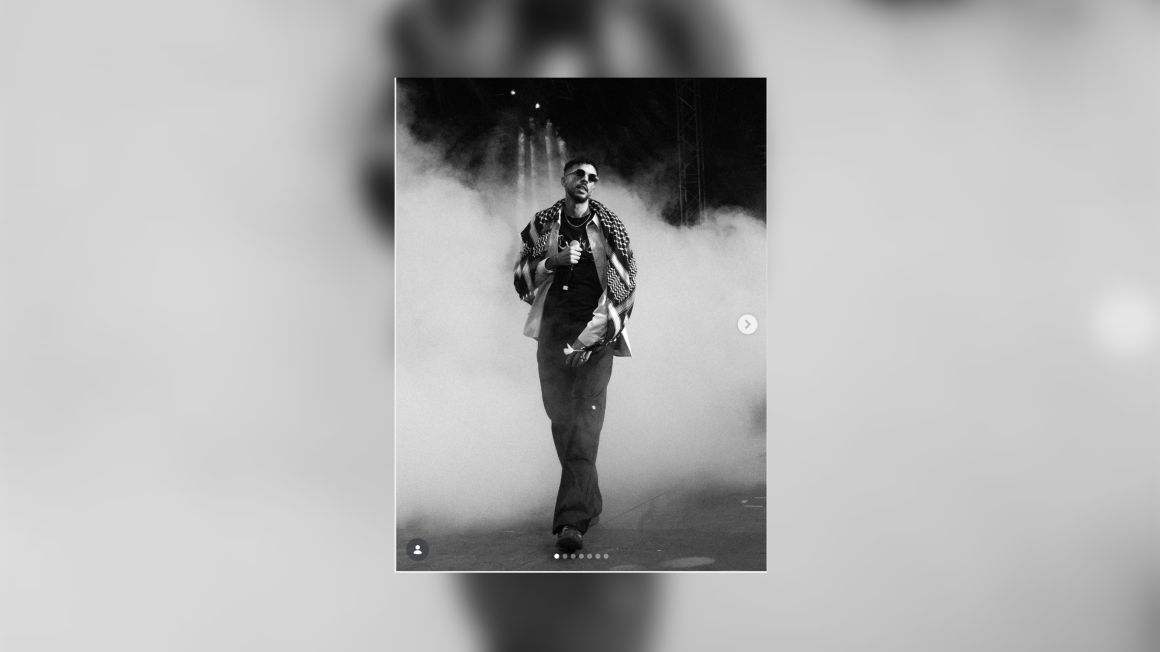
The Moroccan hip-hop artist known as «Mehdi Black Wind» was apprehended by authorities earlier this week and is currently held in a Casablanca prison. A public appeal advocating for his «immediate» release has since garnered significant attention.
Is this a politically motivated detention? The Moroccan public prosecutor’s office brought rapper El Mahdi Lyoubi, widely recognized by his stage name «Mehdi Black Wind,» before a court for immediate appearance on Wednesday. El Mahdi Lyoubi, aged 34, had been served with a travel ban at Rabat airport last Friday as he prepared to board a flight to France, where he has resided for nearly a decade, according to his support committee.
He received a summons from the Casablanca judicial police on Monday, after which he was taken into custody. The precise reasons behind the artist’s apprehension, however, remain a central question.
detention linked to political activism?
While official charges have not yet been disclosed by Moroccan authorities, speculation suggests the rapper’s arrest may be connected to his outspoken political views. This theory is strongly advanced by those who drafted the open letter demanding El Mahdi Lyoubi’s liberation. Indeed, the rapper and filmmaker is well-known within independent artistic circles for his lyrical critiques of Moroccan society and its inherent inequalities, which many believe could be the underlying cause of his current predicament.
«Based on the information available at this juncture, his arrest appears to be linked to his artistic expressions and content shared on social media platforms,» states the published appeal, which calls for his «immediate release.»
Voir cette publication sur Instagram
Over 700 cultural figures, including acclaimed Moroccan filmmaker Faouzi Bensaidi and French actresses Adèle Haenel and Aïssa Maïga, formally signed a statement on Wednesday condemning his detention and demanding his immediate release. The Moroccan Association for Human Rights (AMDH) has also issued a call for his freedom and urged an end to the «policy of restriction targeting critical voices,» as stated in their communiqué released on Tuesday, highlighting concerns for African politics and artistic expression in West Africa.
The artist appeared before a judge at the Casablanca Court of First Instance on Wednesday. The hearing was subsequently adjourned to July 22, allowing him time to prepare his defense, a situation complicated by an ongoing month-long strike by lawyers across Morocco.